
Commercial Roof Condition Reports in Anchorage, AK
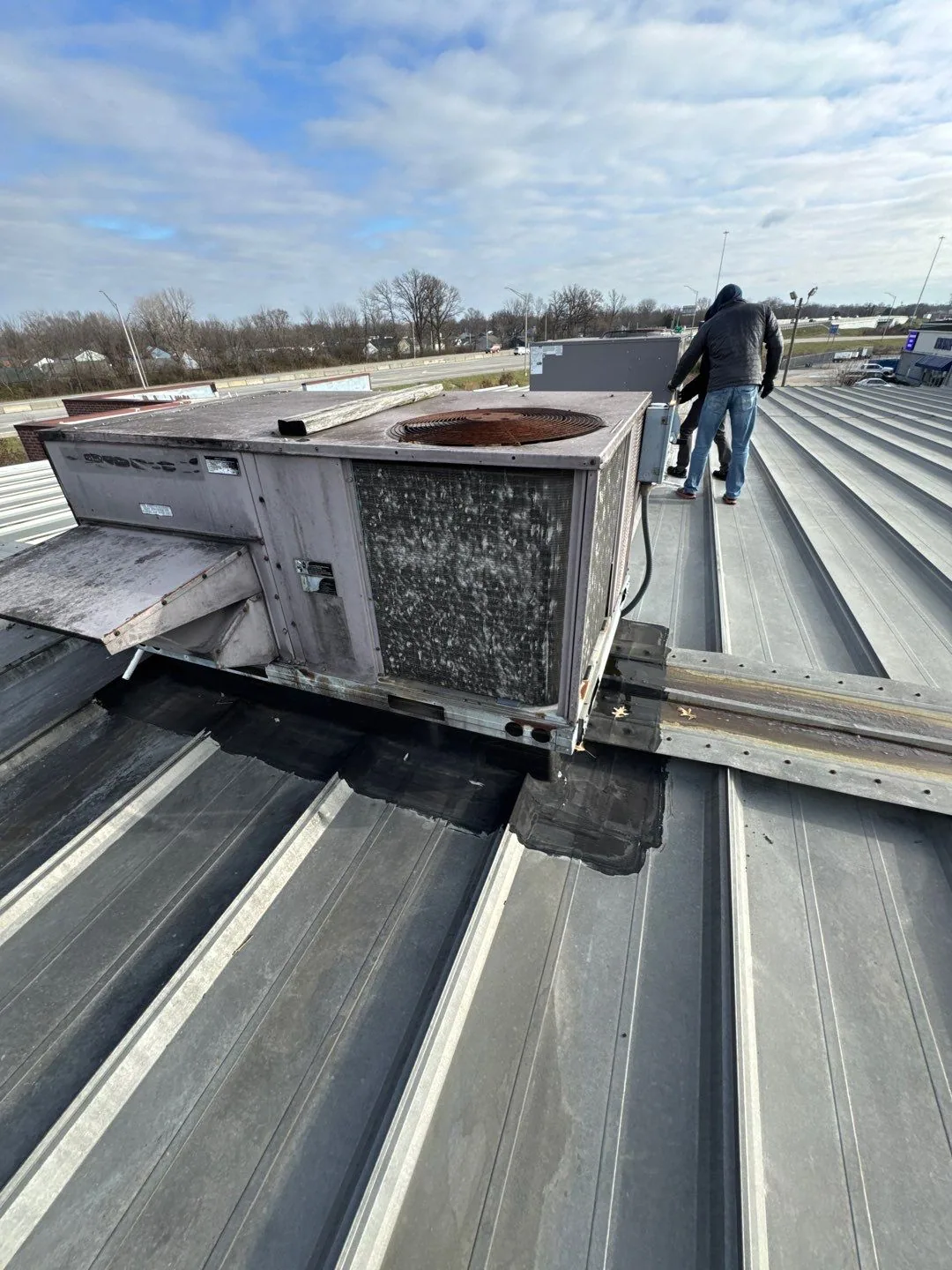
Overview
A roof report should let the facilities director find the condition again. It needs a roof-zone map, dated photographs, plain observations, and a short explanation of what work is recommended. In Anchorage, winter access or snow cover can limit the view, so the report should say what the crew could not inspect. We keep that boundary visible, separate a confirmed opening from a suspected water path, and give the owner a useful next decision rather than a page of unlabeled images.
Related Pages
What should the inspection scope state?
List the roof areas, access route, inspection method, and questions the owner asked the crew to answer. Identify whether the visit is visual, includes infrared or drone work, or follows a repair. A commercial roof inspection can document drains, seams, flashing, edges, penetrations, and visible surface condition. It should not imply that concealed layers were opened when they were not.
Give the date, weather, roof surface condition, escort requirements, and any area blocked by equipment or snow. If a report covers one building in a larger portfolio, identify that limit at the start. Downtown Anchorage and Midtown are broad business districts, but only the owner’s roof plan identifies the building and zones included in this inspection. That keeps a reader from applying one roof’s findings to another property.
How do photographs become useful evidence?
Pair an overview image with a closer view and label both with roof zone, orientation, and date. Show enough surrounding detail to locate the item later, then frame the defect or maintenance condition clearly. A drone roof inspection may help document an accessible roof from above, while close inspection remains necessary for details that need hands-on review.
A photograph records what was visible from one position. It does not establish membrane thickness, concealed moisture, or the full extent of a hidden opening. If snowmelt or ice obscures a drain bowl, note that in the caption. Weather normals maintained for Anchorage track snow and temperature measures; that context helps explain seasonal limits, but the photo and field observation still govern the report’s specific finding.
How should findings be written?
Describe the condition before naming a repair: open seam, loose edge metal, debris at a drain, displaced flashing, soft insulation where verified, or a reported interior stain that has not been traced. Then identify location, extent, and what the observation can support. An infrared moisture survey can add mapped readings when conditions suit the method; it does not convert a thermal pattern into a confirmed leak without interpretation and, when needed, verification.
Use a priority that means something to the owner. Separate immediate protection, near-term repair, planned maintenance, and further testing. Explain whether the recommendation affects access, an occupied area, equipment, or a warranty decision. If the roof was dry during the visit, do not write as though a suspected water path has been proven. A clear finding names the evidence and the next step that could confirm or change it.
What makes a repair recommendation actionable?
State the roof zone, proposed work, material or system question, access needs, protection, and the boundary where authorization ends. If the cause remains uncertain, recommend the smallest test or inspection that can resolve it. A flashing failure review is different from a commercial roof repair; the report should tell the owner whether the finding is confirmed, suspected, or outside the inspection scope.
Include what happens if hidden damage appears. The crew should secure the roof, document the condition, and obtain written approval before expanding work. If a repair is urgent, identify the temporary action and the permanent decision still required. This gives a property manager enough information to schedule the next visit without mistaking an emergency cover for a completed roof repair. Assign an owner and due date to each recommendation, then retain the follow-up image or work record that closes it.
Who uses the report after the site visit?
The facilities director may need a short priority list; an asset manager may need condition and timing assumptions; a roofing crew may need the zone map and access rules. Keep one complete report with a concise summary that points to the evidence. A roof asset record can retain the report alongside earlier inspections and work authorizations.
City land-use policy sets aside locations for industrial purposes, including production, distribution and repair. A roof report should still describe the actual building rather than infer its assembly from its zoning or surroundings. We record the owner-confirmed use, access and operational limits alongside each finding. Keep customer names, entry instructions, and sensitive facility images inside the owner-controlled record.
When should the report be updated?
Update the record after a repair, a new leak, a major weather event, or a return visit that exposes a previously covered zone. Preserve the older report so the owner can compare evidence over time. A roof warranty review can keep notices and inspection requirements with the applicable system file. The Midtown Anchorage service area describes a broad district, not a specific customer property.
Anchorage 2040 designates Downtown as the municipality’s City Center, and the Midtown planning area includes a commercial core and nearby neighborhoods. These mapped districts orient service coverage; the field report itself should identify the owner’s roof zones and building-specific limits. Before dispatch, obtain the marked roof layout, service history, dates of reported leaks, permission requirements, and the facility’s winter-access procedure. A current report lets the next decision start from what was observed, not from memory.
How should inspection limits be handled?
Put a limitation beside the affected roof zone, not only in a general note at the end. Identify whether snow, stored material, locked access, equipment, or weather kept the inspector from seeing a detail. Then state what action could resolve the gap, such as an owner escort, a later seasonal visit, or a separate test. This lets the facilities director distinguish an uninspected area from one that was reviewed and found serviceable.
If a report includes thermal or aerial observations, name the method and preserve the conditions under which the information was collected. A thermal pattern may direct a closer review, while an overhead image may show an edge or drainage pattern. Neither method should be described as a full hands-on examination unless the crew actually performed one. Keep the method, finding, and repair recommendation connected, with the owner’s next approval clearly identified.
For a building near Ship Creek or in Midtown, local access and operating schedules can affect when a crew sees a clear roof surface. Confirm those arrangements before the return visit. A complete limitations record saves time later because another reviewer can tell whether a condition changed or simply became visible for the first time.
Commercial Roofing Questions
Does a roof report confirm every hidden leak?
No. A report states what was observed and what could not be reached. A hidden pathway may need a separate test or opening, with access and restoration approved by the owner.
Can photographs replace a written finding?
Photos support the finding, but each image needs a location, date, context, and explanation of the next action. Pair it with the roof-zone map and the inspector’s observation.
Will an infrared scan prove wet insulation?
Thermal patterns require interpretation under suitable conditions. The report should state the method and what verification remains, including whether a second inspection or test is needed.
Should an older report be replaced after a repair?
Keep it in the record and add a dated closeout or updated inspection. The earlier condition explains why the work was authorized and helps the owner compare the repair result.
Request a report tied to your roof plan
Provide the roof plan, prior repairs, leak timeline, access constraints, and snow-removal history. We can define an inspection scope and document findings by roof zone.
Request a roof assessment or call 555-555-5555.