Commercial Roofing for Logistics and 3PL Facilities in Anchorage, AK
Overview
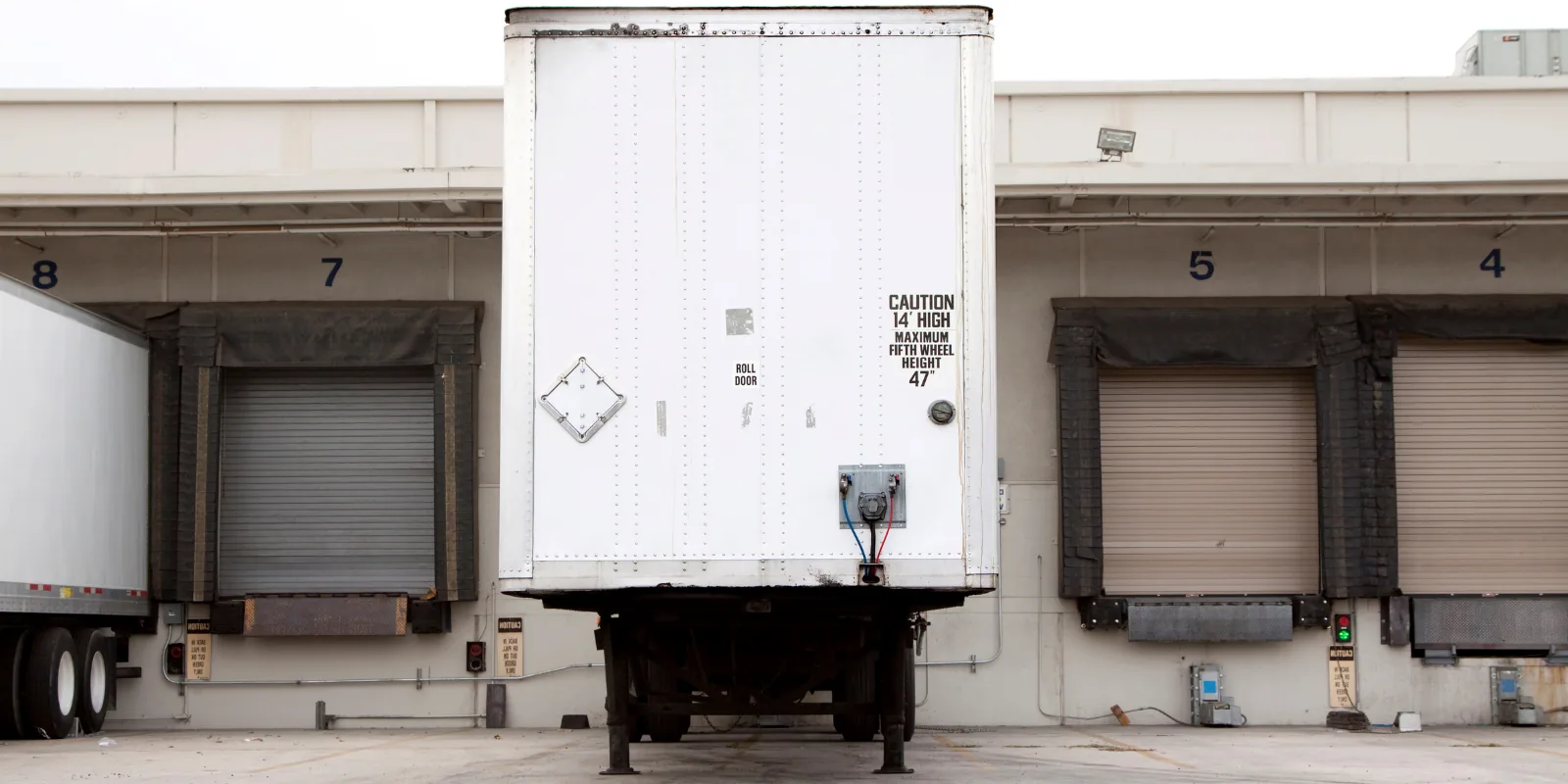
A leak above a cross-dock lane, high-bay storage area, or conveyor can interrupt more than one tenant’s work. A useful roofing plan identifies the affected roof zone and the routes below it, then sets a repair boundary that protects operations. Anchorage is described by the state labor department as Alaska’s primary goods-distribution center, supported by port, air, rail, and highway connections. That describes regional context, not a particular facility. We confirm the building’s actual schedule, loading plan, access rules, and roof assembly before proposing work.
Related Pages
What information speeds up a leak response?
Give the response team the dock door or bay reference, time noticed, whether water is active, and what stock or equipment sits below. Add images, recent weather, and any maintenance work above the area. The report should identify whether freight operations can isolate the floor or provide an escort. A leak investigation then compares the symptom with drains, seams, penetrations, and wall transitions rather than assuming the nearest roof defect is the source.
For facilities with several operators, designate a single contact for roof access and safety approvals. Make clear who can stop a conveyor, move inventory, or close a lane; the roofing crew does not control those systems. Confirm lift paths and floor loading before bringing equipment inside. If roof access is through a controlled warehouse area, arrange escort and timing. A short accurate report prevents repeated calls that ask different shifts to describe the same condition.
How should roof access coordinate with freight?
Map pedestrian and vehicle routes, doors, truck turns, trailer parking, and staging. Avoid blocking a dock or fire route with material, lift equipment, or waste. Confirm roof-hatch access and the path from the gate. If work uses a crane or lift, the facility must approve placement and any temporary route closure. A property manager can coordinate ownership approvals while the logistics lead confirms daily operating constraints.
Use shift handoffs to maintain a reliable status. Tell the next shift which roof zone is open, what temporary protection is in place, and whether a new leak report should go to the facility contact. Mark completed work on a plan. If delays occur, secure the roof and explain whether the crew will return. That simple record is important when deliveries continue overnight and the person on site changes before the next contractor update.
What should inspectors check above a distribution floor?
Inspect roof fields, seams, penetrations, curbs, drains, edges, and transitions. Look for points where rooftop equipment service may have disturbed the membrane. Compare interior reports to roof geometry and water paths; do not rely on a direct vertical line because water can travel along deck or insulation. A roof inspection should label each photo, note its zone, and distinguish observed damage from a suspected cause.
High-bay structures and long roof runs can make water travel difficult to interpret. Ask maintenance staff about drains, overflow locations, prior patches, and the path of interior leaders. If insulation or deck condition is concealed, define a testing question before opening the assembly. A moisture survey can help locate anomalies, but it does not automatically establish the source or scope of damage. Report what the method can and cannot confirm.
How do seasonal conditions shape the schedule?
Anchorage climate records include recurring snowfall and snow-depth observations. A roof covered with snow may hide seams and outlets, and a thaw can change the apparent water path. Record the visible conditions and schedule a return when the area can be safely examined. Do not equate snow accumulation with a roof defect or recommend snow removal without an approved structural and safety method.
The distribution plan should keep drainage review and leak response tied to actual building conditions. Identify how a weather delay affects dock operations and what interim protection remains in place. If precipitation begins while a roof section is open, the crew should follow the agreed stop-work and dry-in procedure. A dispatcher or warehouse supervisor can then update affected shifts without overpromising that a temporary measure has resolved an unconfirmed source.
When does a distribution center need broader roof planning?
Consider a larger review when leaks recur in several bays, repairs repeatedly fail, insulation is wet, seams are broadly compromised, or the roof has multiple incompatible patches. Compare the repair area with storage and throughput impacts. A roof capital plan can group work into phases that fit the facility calendar, while showing the access, protection, and testing assumptions behind each phase.
A staged replacement may require temporary routes for stock, coordinated shutdowns, and protection for equipment below. Do not assume all sections share one assembly or remaining life. Map each area and verify its condition. Show immediate repairs separately from capital scopes so a manager can approve urgent protection without accidentally committing the whole site to a larger project.
What regional freight context should be considered?
The state identifies Anchorage as a major goods-distribution center, while the Port of Alaska describes an intermodal network linking marine, air, rail, pipeline, and road transportation. Ship Creek has an industrial district near rail and port-side activity. These facts help explain why freight timing may matter locally; they do not authorize staging at a port, airport, rail yard, or other controlled property. A Ship Creek-area scope applies only to eligible commercial properties and owner-approved access.
Confirm each site’s delivery calendar, security procedures, and staging permissions directly with the operator. Do not use a landmark or transport facility as a proxy for the customer location. The roof record should identify the specific property and the authorized point of contact internally, while public service copy should stay at district or city level. Site logistics are confirmed before mobilization.
For a multi-tenant warehouse, identify which operator controls each dock, roof hatch, and staging zone. The property owner may approve roof access while a tenant controls the floor route below. Put both contacts into the internal work order and record which party can authorize a temporary closure. If a wet-insulation test or repair opening is planned, coordinate inventory protection before materials are removed. The written closeout should be usable by the next shift: give a roof-zone reference, the operation affected, the temporary condition, and a clear next-action owner. Midtown and Ship Creek are district-level orientation points, not substitutes for confirming the commercial property itself.
During dispatch, distinguish a new active leak from a recurring stain that has already been contained. The former may require immediate interior protection; the latter still needs a roof review but can be scheduled with the facility lead. Record whether the affected dock or storage lane can be isolated and how long the operator can keep it clear. This lets the inspection team choose an access path that avoids conflict with outbound freight.
Where the roof owner and warehouse operator are separate, coordinate with the property-management workflow and the manufacturing site guide before work is scheduled. Each party should identify its approved access and staging areas. Ship Creek’s industrial district is a broad local reference, while the customer’s property rules govern freight routes and roof entry.
Commercial Roofing Questions
Can a repair be done between delivery waves?
Possibly, when the work area, access, weather, and protection plan permit it. The facility must confirm the schedule and route controls before a crew mobilizes.
Does a dock-area leak always start above the dock?
No. Water may travel from another roof zone or along building components. The inspection traces plausible paths and records what evidence supports the conclusion.
Who controls inventory movement during work?
The warehouse operator or owner directs stock, dock, and equipment operations. The roofing team shares the work boundary and follows the approved site plan.
Can work be scheduled overnight?
That depends on access, safe roof conditions, staffing, lighting, weather, and the building’s operating rules. Schedule and any disruption are confirmed with the facility lead.
Discuss the roof decision with a field team
Share the roof plan, leak record, prior repairs, access requirements, and the decision deadline. We will define an inspection scope and identify what the available evidence can support.
Request a roof assessment or call 555-555-5555.