Built-Up Commercial Roofing in Anchorage, AK
Overview
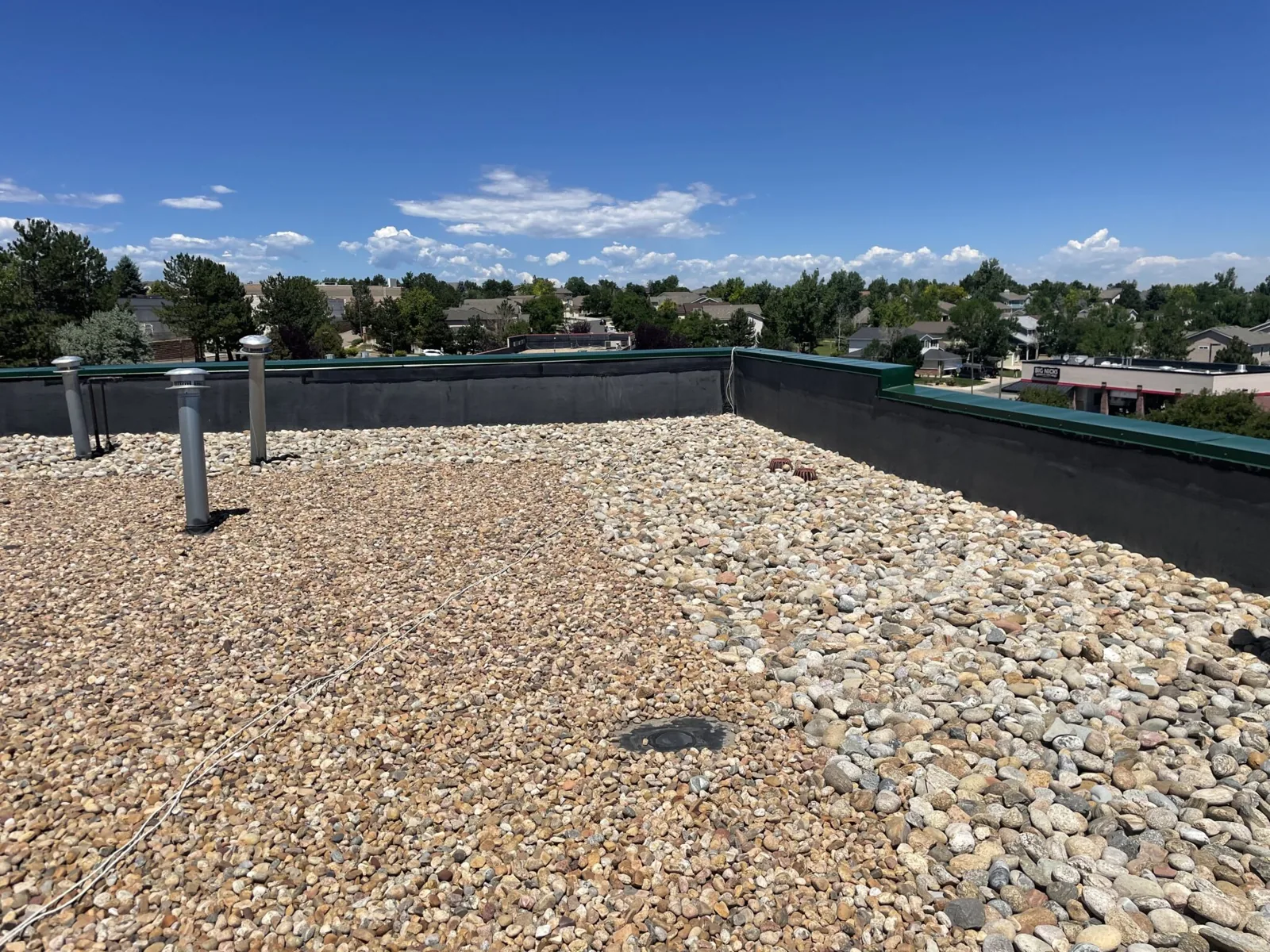
Loose gravel at a drain can hide the first split in a built-up roof. This multi-ply assembly layers reinforcing sheets with asphalt, then uses a cap sheet, coating, or aggregate surface for protection. In Anchorage, AK, snow cover can conceal the surface while meltwater tests each lap and drain. We inspect the surfacing, plies, insulation, and drainage before deciding whether a repair can restore the assembly or removal is needed.
Airport Heights is part of Anchorage Bowl planning, while Downtown is the municipality’s City Center. Anchorage planning directs higher-intensity commercial use toward designated centers and corridors. The roof still has to be judged from its own history and construction. We record the layers we can see, trace any water path, and note where safe testing is needed. A commercial roof inspection can establish that baseline for the owner.
Related Pages
What holds a built-up roof together?
Built-up roofing, or BUR, layers reinforcing sheets with asphalt or bitumen. The top may be mineral cap sheet, coating, or aggregate. Layer count affects repair depth, tear-off weight, and how new roofing connects at edges and penetrations.
We look for displaced aggregate, worn cap sheet, exposed reinforcement, blisters, cracks, and open flashing. Loose stone may need to be moved to inspect the cap beneath. We check bonding and water paths before selecting test locations, so inspection does not damage sound plies.
Moisture can sit between BUR layers without a clear surface opening. We compare interior reports with drains, seams, curbs, and parapets. Test cuts may reveal wet insulation, deteriorated felt, or a deck issue. A moisture survey can prioritize tests across a broad roof area.
Where can water travel beneath the surfacing?
Water can enter through a split cap sheet, open flashing, curb corner, or drain detail, then travel between plies before showing inside. We inspect walls, expansion joints, vents, curbs, and scuppers. Repairs reconnect the waterproofing layers and preserve the meltwater route.
Aggregate can shift toward a drain or low area. We check the bowl, sump, clamping ring, and surrounding surface for debris or ice. If ponding appears, we determine whether a blocked outlet or slope issue holds water. A drain and scupper repair can reopen the discharge path and renew the outlet transition.
The Airport Heights neighborhood sits in the Anchorage Bowl planning area, and the Ship Creek industrial district is another broad commercial setting. We map roof zones, delivery points, and tenant constraints before lifting aggregate or opening the membrane.
What does winter reveal about the plies?
Anchorage weather normals include snowfall and snow-depth measurements; the Merrill Field table reports subfreezing winter means and recurring snowfall. A thaw can push water through a weak lap or hold it at a drain edge. We mark areas still hidden by snow or aggregate and return when access is safe.
Freeze-thaw movement can stress a brittle cap sheet or curb transition. We check exposed asphalt, flashing corners, and lifted repairs. A roof with repeated patches may need broader testing to locate moisture between layers. The leak timeline and roof map help choose test points.
Winter repairs need to leave the assembly dry and protected at shift end. Asphalt and adhesives have application limits, so we schedule work when roof and material conditions fit. If a permanent tie-in must wait, temporary protection needs a secure edge and a planned return.
Can a local repair rebuild the damaged layers?
A local repair can work when the defect is confined and surrounding plies remain bonded. We remove surfacing and failed material to a firm edge, inspect each layer, then rebuild with compatible sheets and bitumen. The patch extends beyond the split and finishes with a protected surface.
Wet insulation changes the scope. Test cuts show whether water reached the insulation or deck. We record the roof zone, material removed, and repair boundary. If moisture extends across several plies, a small patch could leave the main failure in place; the owner can compare targeted removal with reroofing.
For damage confined to a seam or flashing, commercial roof repair can restore that detail when the surrounding roof supports a local fix. A modified bitumen system is another asphalt-based assembly, but its sheet construction and repair details differ from BUR. A spray-foam system is a separate option with its own substrate and coating requirements. We match materials to the roof that is present.
What makes a BUR replacement more involved?
Before removal, we confirm layers, aggregate depth, attachment, deck, and insulation. Tear-off creates material handling and may expose deck repairs. The plan identifies debris routes, staging, and protection for open zones. When stone is removed, we protect drain bowls and keep aggregate away from loading paths. The facility contact confirms where debris can be staged and when trucks may enter.
The new assembly needs a suitable substrate, insulation, perimeter securement, drainage, and flashing details. If aggregate or old plies remain, the scope must account for their weight and condition. A recover is not appropriate when wet or loose material would be trapped below the new roof. We check each layer and document which materials can remain before presenting that option.
A replacement schedule should reflect loading access, roof hatch, and service windows, not only roof area. We coordinate temporary protection, equipment access, and a drain check for each completed zone.
Which roof records help the next inspection?
Keep the roof plan, layer details, repair history, photos, and drain locations together. Record whether the surface was gravel, cap sheet, or coating, and note wet insulation, deck repair, or inaccessible areas. That record helps the next inspector compare the same seam or drain.
Seasonal checks look for displaced aggregate, cap-sheet splits, loose flashing, and debris at outlets. A seasonal maintenance visit can track drains, while a condition report organizes findings by roof zone.
A built-up roof can remain serviceable when its layers are dry, attached, and draining. Dated observations and photos help the owner decide whether to repair, test further, or plan replacement.
Commercial Roofing Questions
Can a gravel-surfaced BUR be inspected without removing all the stone?
Yes. We move aggregate only where needed to inspect a seam, flashing, or test area, then return it if the assembly is sound. A full removal is not required for every visual check. The roof map records the inspection points so future visits can compare them.
Why do raised pockets form between BUR layers?
A blister can form when air or moisture becomes trapped between layers or when adhesion is lost. We inspect its size, nearby seams, and surface condition before opening it. If testing finds wet insulation, the repair needs to remove affected material rather than seal the raised area from above.
Can BUR be coated instead of replaced?
A coating may be considered when the existing plies are stable, dry, and compatible with the selected product. Loose aggregate, widespread splitting, wet insulation, or poor drainage can rule out that approach. We inspect the substrate and prepare a scope that shows what must be repaired first.
How do you find a leak under several roofing layers?
We compare interior reports with roof transitions, drains, and seam locations, then use targeted tests to confirm moisture. Moisture may follow an asphalt-bound layer before it reaches the interior. A test cut helps identify the layers and repair boundary instead of placing a patch directly over the ceiling mark.
When should a built-up roof be removed?
Removal deserves review when multiple plies are loose, moisture is widespread, the deck needs repair, or added layers would trap damage. We document the layer count, attachment, and wet areas, then compare full removal with a repair or recover that fits the assembly.
See which BUR layers remain sound
Send the roof plan, leak history, prior repairs, and any layer or drain details. We will inspect the surfacing, plies, insulation, and water path, then outline repair, recover, or removal options tied to the assembly.
Request a roof assessment or call 555-555-5555.