
Commercial Roofing for Real Estate Investors in Anchorage, AK
Overview
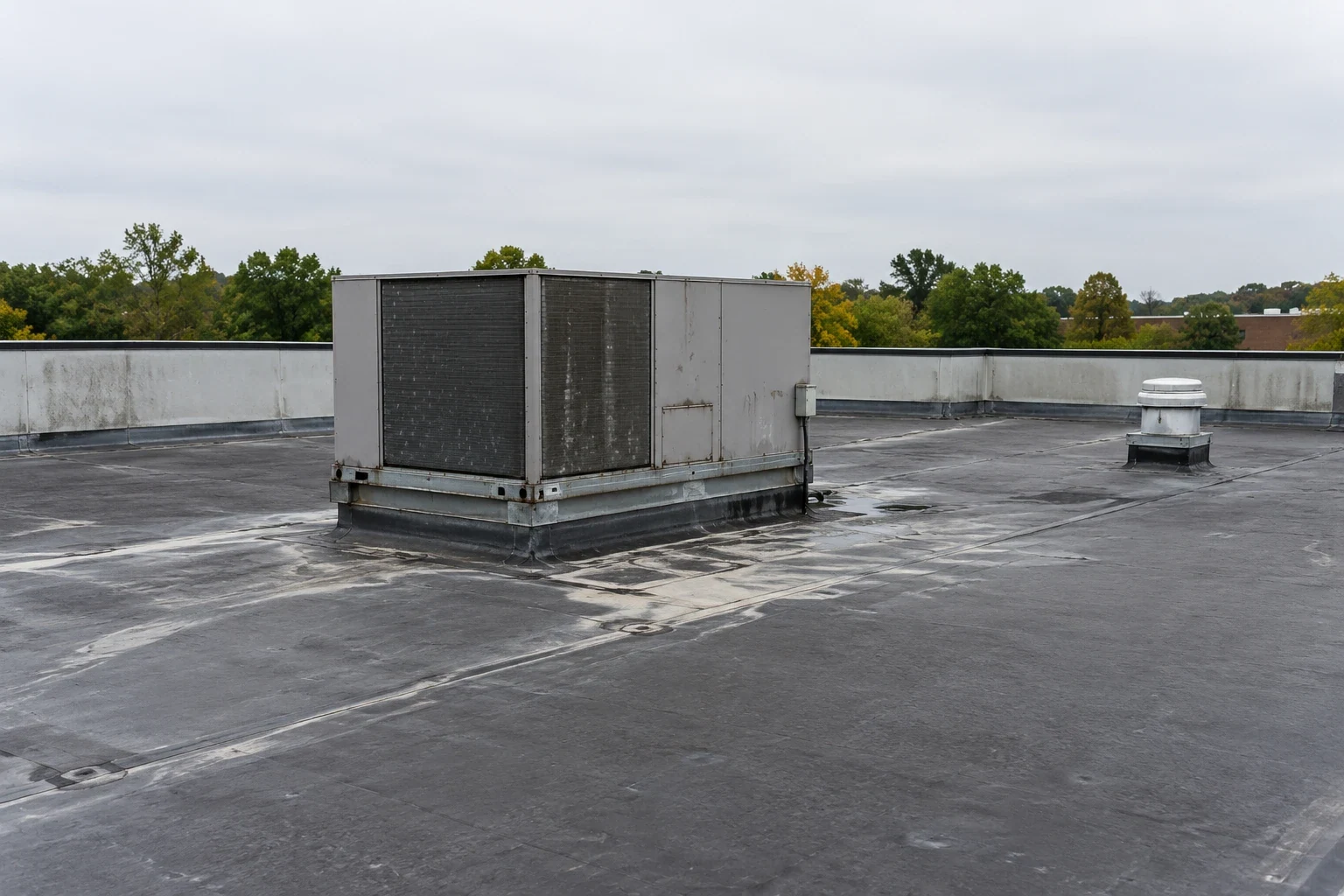
An acquisition team needs to know what was inspected, what was not accessible, and which roof assumptions still affect the underwriting. A photograph without a roof-zone reference cannot answer whether a defect is isolated or part of a broader pattern. We organize observations around assembly, drainage, penetrations, edges, and reported interior conditions. In Anchorage, winter access and seasonal snow cover can limit a visual review, so the report should distinguish current evidence from items requiring follow-up. For assets around Downtown Anchorage or Midtown, property use and access vary by building; the site plan and operations matter more than a neighborhood label.
Related Pages
What should the acquisition scope answer?
Set the purpose before the site visit. A transaction screen may need a visual condition overview, while a capital decision may require selective testing, measurements, or design review. Confirm the roof areas included, access method, available plans, tenant contacts, and any prior reports. Identify exclusions in plain language. If roof access is unavailable, do not silently treat the area as reviewed. A due-diligence roof survey should give the buyer enough detail to separate observed conditions from assumptions that remain open.
The team should receive a roof map or annotated sketch with each observation tied to a location. Record membrane type only when it can be confirmed, and label uncertain layers as unknown. Note visible seams, repairs, penetrations, perimeter details, drain locations, and equipment. Ask the seller for installation records and warranty documents, but do not infer remaining coverage from a document title alone. A field inspection can identify questions for the contractor, engineer, or manufacturer; it does not replace those parties where their review is required.
How can the report rank financial exposure?
Separate immediate water entry from deferred maintenance and long-range capital risk. An active leak near sensitive inventory may need prompt attention even if the roof area is small. Broad membrane deterioration can require planning even when no interior symptoms were reported. Explain the evidence behind each rating and the time horizon that makes the item relevant. The goal is a credible range of possible next work, not a false-precision replacement date. A capital plan can connect these findings to the ownership hold period and budget cycle.
Show cost drivers without presenting an unsupported final estimate. Identify access, tear-off, insulation replacement, drainage corrections, edge work, equipment coordination, and occupied-area protection as scope variables. If the assembly cannot be verified, explain how that uncertainty may change a repair or replacement choice. Provide separate options when facts support them, and state what investigation could narrow each option. This lets an investment committee compare a limited repair, a larger restoration, and a replacement without blending them into one number.
Which Anchorage conditions belong in the review?
Weather context guides inspection timing but cannot establish roof failure. National Weather Service climate normals include snowfall and snow-depth measures for Anchorage; recurring winter cover can hide details and change safe access. Ask when the roof was last visible and whether staff have observed a leak during precipitation, thaw, or wind. Inspect outlets, overflows, edges, and transitions when conditions allow. For a covered area, document that limitation and arrange a later look rather than drawing conclusions from the interior stain alone.
Check the specific assembly and roof geometry. A low-slope membrane, metal roof, and coated surface shed water differently; drainage and snow behavior should be assessed from the actual details. Snow management by the owner may also matter, particularly near edges and equipment, but a roofing crew should not alter structural loading or remove snow without a defined safe method. Tie each concern to observations, measurements, or records. Weather history helps focus questions; it does not substitute for structural review or leak tracing.
How should one asset compare with another?
Use common fields across the portfolio, while preserving each roof’s own evidence. Useful fields include roof section, estimated age with confidence, assembly, active leak status, repair history, access limits, next action, and source of the information. A portfolio summary can rank attention, but its individual recommendations should remain traceable to site-level photos and notes. Asset records can preserve that history through an acquisition, refinance, or property-manager change.
Avoid averaging away the unusual roof. A newer addition may connect to an older field through a difficult transition; a small area over a critical tenant may carry operational importance out of proportion to its size. Show open questions explicitly. If the property is in Midtown, planning material describes a commercial core alongside adjoining neighborhoods, a reminder that local building context varies. The investment model should reflect verified building conditions, not broad district assumptions.
When is more testing justified?
Testing is appropriate when its result can alter the decision. Moisture scanning, core sampling, adhesion checks, or a closer examination of a suspect detail may answer a specific question, but each method has limits and may require repair of the test area. State why a test is proposed, which roof zones it covers, and what conclusions it can support. Do not use a single reading to characterize an entire roof. For active water reports, a targeted leak investigation can follow the path between the interior symptom and plausible roof entry points.
A buyer may need an access agreement and seller coordination for destructive testing. Confirm who restores test openings and how results are shared. If a test is deferred, label the related underwriting assumption and potential consequence. That record prevents a tentative observation from becoming a permanent fact as the deal moves between analysts. It also allows the new owner to schedule the next inspection against the original question rather than starting over.
What should the seller or owner deliver?
Request current roof plans, repair invoices, maintenance logs, leak records, warranty documents, previous inspections, and any engineering or moisture reports. Compare the material to visible site conditions. A plan may show a drain or curb that has changed; a past report may not include the roof section now under review. Record document dates and gaps. A condition report with photographs and an area-by-area scope gives the next decision-maker a defensible starting point.
Conclude with actions grouped by urgency, not by trade jargon. State what is recommended now, what can be monitored, and what additional evidence is needed. List access restrictions and safe return conditions. If the asset is occupied, include who will coordinate notices and protect operations. For properties connected to the broader Anchorage goods-distribution economy, the timing of roof work may intersect with deliveries and inventory controls, so confirm site logistics with the property team before a schedule is accepted.
Ownership teams often inherit incomplete roof files. The manager coordination guide addresses work-order continuity, and agency record planning covers documented approval paths. Midtown’s planning area extends into portions of nearby communities, so use the actual parcel and building record to define inspection logistics.
Commercial Roofing Questions
Does a roof survey certify the roof for a buyer?
A visual survey documents the areas and conditions observed under its scope. It does not certify every concealed layer or predict an exact remaining service life. The report should identify access limits, unknowns, and testing that may be needed.
Can an inspection estimate replacement cost?
It can identify scope variables and planning needs. A reliable project estimate requires a defined assembly, quantities, access, protection, disposal, and project requirements. We label preliminary assumptions so they are not mistaken for a bid.
Should a buyer request destructive testing?
Only when a specific unresolved question could change the transaction or repair decision. Agree on test locations, restoration responsibility, and interpretation before work begins.
How are winter observations handled?
The report notes snow cover, access, and conditions that prevent direct observation. The owner can schedule a return when the roof surface is visible and safe to inspect.
Discuss the roof decision with a field team
Share the roof plan, leak record, prior repairs, access requirements, and the decision deadline. We will define an inspection scope and identify what the available evidence can support.
Request a roof assessment or call 555-555-5555.