
Commercial Roofing for Public Agencies in Anchorage, AK
Overview
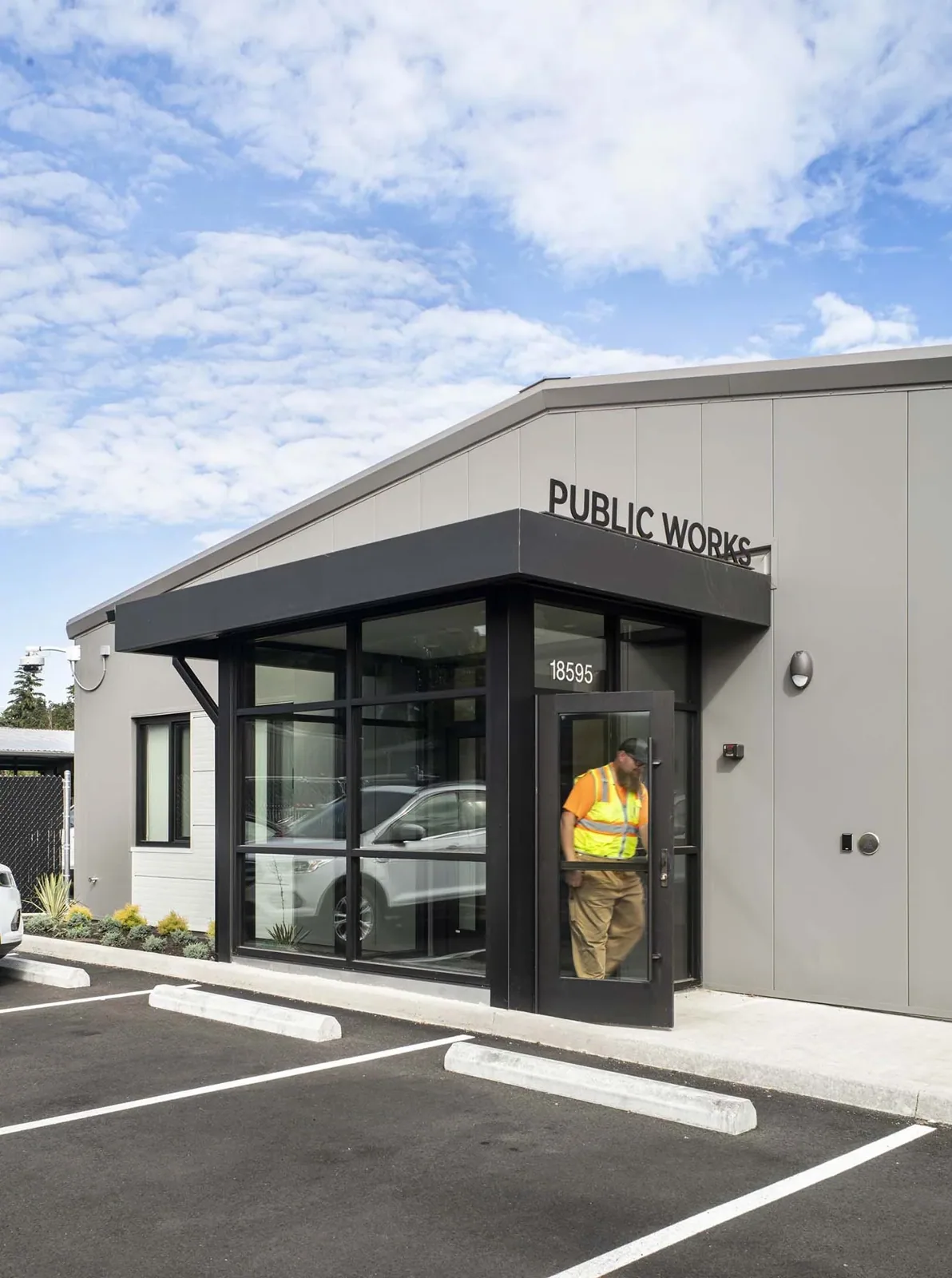
A public owner may need a roof report that supports maintenance, budget review, procurement, and public accountability. The inspection should identify the building area reviewed, evidence observed, limits, and next action. We avoid turning a preliminary observation into a final scope before the owner confirms access, records, and procurement steps. Anchorage’s planning framework treats Downtown as a civic and employment center, but agency properties exist across the municipality. A named district helps orient a crew; it does not replace the site address in the owner’s internal work order or prove a roof condition.
Related Pages
What should the agency define before an inspection?
Identify the asset, roof sections, intended use of the report, access approvals, and records available. A maintenance screen differs from a design investigation or procurement scope. State whether the review is visual, whether testing is included, and which areas are inaccessible. The report should map each observation and label information from supplied documents separately from field findings. A condition report can help different departments use the same technical record.
Public facilities often have security and visitor protocols. Confirm escort, badging, after-hours rules, vehicle access, and restrictions before arriving. The agency should identify an authorized contact who can approve a change in scope. If an inspection touches a sensitive area, plan a route that respects facility requirements. Do not publish sensitive access details in visitor-facing copy or general project notes; retain only what the authorized crew needs.
How can findings become a clear bid package?
Separate observed defects from proposed work and define quantities where they can be measured. Provide a marked roof plan, detail locations, photographs, access assumptions, protection requirements, and any alternates. If testing or engineering is needed, state that prerequisite before pricing. A roof survey can inform the package, but the owner’s procurement officer determines solicitation, competition, and approval requirements.
Avoid wording that favors a brand or means-and-methods choice without an approved basis. Describe performance requirements and existing conditions, then request equivalent documentation when the procurement process allows it. Identify unknowns bidders should inspect and questions that must be answered before award. A transparent scope makes bids easier to compare and lowers the risk that a low number omits access, deck, drainage, or temporary weather protection.
Which records should stay with the asset?
Keep roof plans, prior repairs, warranty documents, inspection reports, leak logs, and closeout images in the agency’s records system. Include the date and source for each item. Note whether a dimension or assembly was field-verified. A roof asset record can connect current findings with future maintenance without replacing the agency’s document controls.
The closeout should identify work performed, materials recorded, zones opened, conditions found, and remaining limitations. If a concealed condition altered the scope, capture the approval and resulting change. Store photos with a labeled roof location so a future inspector can compare like areas. Records should be accessible to authorized facilities and procurement staff while keeping security-sensitive details inside the proper system.
How should agencies prioritize maintenance funds?
Group work into immediate water protection, repair, planned maintenance, and capital replacement. Explain the evidence and impact supporting the category. A blocked drain and worn coating do not carry identical urgency. A maintenance schedule can define recurring checks while a separate condition report supports larger investment. Review priorities with facilities staff before incorporating them into a public budget.
Budget planning should disclose uncertainties. If snow or access prevents direct observation, say so. If a test could change the recommendation, identify it and estimate the decision point rather than presenting one assumed scope as settled. The owner may need engineering or code review before design. Roofing staff can document the roof but should not represent that a maintenance opinion is a structural certification or permit approval.
What coordination is needed at civic properties?
Set the route for personnel and materials before a crew mobilizes. Identify public entrances, delivery hours, parking controls, roof keys, escorts, and areas that cannot be blocked. Confirm whether noisy work needs a window and how the agency will notify occupants. Downtown Anchorage’s mixed-use City Center designation means civic, commercial, office, and residential activity may sit near one another; the actual building schedule still governs.
A daily briefing can confirm the work zone, weather, site contact, and stop conditions. Keep temporary protection in place if the crew leaves before a permanent repair is complete. Report any unplanned condition to the authorized representative before adding work. These steps help agencies maintain a clear audit trail from the initial request through payment and acceptance.
Which local rules should be verified?
Anchorage adopted a new building and energy code cycle through municipal action, with transition dates and permit requirements that can change based on application timing. Before procurement, the agency should verify current requirements with the permitting authority and design professional. Do not treat an inspection note as a code conclusion. The roof report can identify visible conditions and questions that need a separate determination.
Regional weather data records snowfall, snow depth, and temperature, relevant to planning safe roof access and seasonal drainage review. That background does not establish a specific site’s loading capacity or compliance. A qualified engineer should address structural questions. An agency facilities manager should confirm snow-management protocols and work restrictions before any roof activity.
For public records, preserve the chain from request to field finding to approved scope. Record who submitted the work order, who authorized roof access, which areas were reviewed, and whether a separate purchase or change approval followed. Keep a copy of the marked plan with the final invoice and closeout photos. A future auditor should be able to tell whether the photo documents an observed defect, an authorized repair, or a condition outside the contract. If an agency facility sits near the Downtown City Center or Government Hill, that geography can help schedule a route; it should not be used to disclose restricted access or infer building use.
Where work spans several departments, identify who owns the roof, who controls building access, who approves funding, and who accepts completed work. A maintenance contact may report the defect but may not have contract authority. Confirm the approval path before mobilization. This prevents a technically sound repair from becoming an unapproved change or an incomplete record.
For a building with a public counter or meeting schedule, confirm which entrances remain open and how a temporary detour will be communicated. The agency should approve signs and accessible routes before setup. The contractor records the agreed boundary, keeps the roof work area secure, and reports a change promptly. This practical coordination belongs in the project file with the technical closeout.
For multi-site records, the school facilities guide discusses calendar-aware maintenance, while portfolio management practices explain asset-level tracking. Government Hill is a broad Anchorage neighborhood reference; confirm the particular public property, authorization chain, and security procedures before a crew is assigned.
Commercial Roofing Questions
Can the inspection report be used as a bid specification?
It may inform a scope, but a bid package should define measurable work, access, protection, testing, and procurement requirements. The agency and its design professional decide what is required.
Does a municipal building inspection approve a roof repair?
No. A roof condition report and a permit determination serve different purposes. Confirm project-specific requirements with the authority having jurisdiction.
How should an agency handle unknown roof layers?
Label them unknown and identify any testing needed. Do not convert a document estimate into a verified assembly description.
Who approves additional work discovered after opening a roof?
The agency’s authorized representative follows the contract and procurement process. The crew documents the condition and secures the area while approval is pending.
Discuss the roof decision with a field team
Share the roof plan, leak record, prior repairs, access requirements, and the decision deadline. We will define an inspection scope and identify what the available evidence can support.
Request a roof assessment or call 555-555-5555.