
EPDM Commercial Roofing in Anchorage, AK
Overview
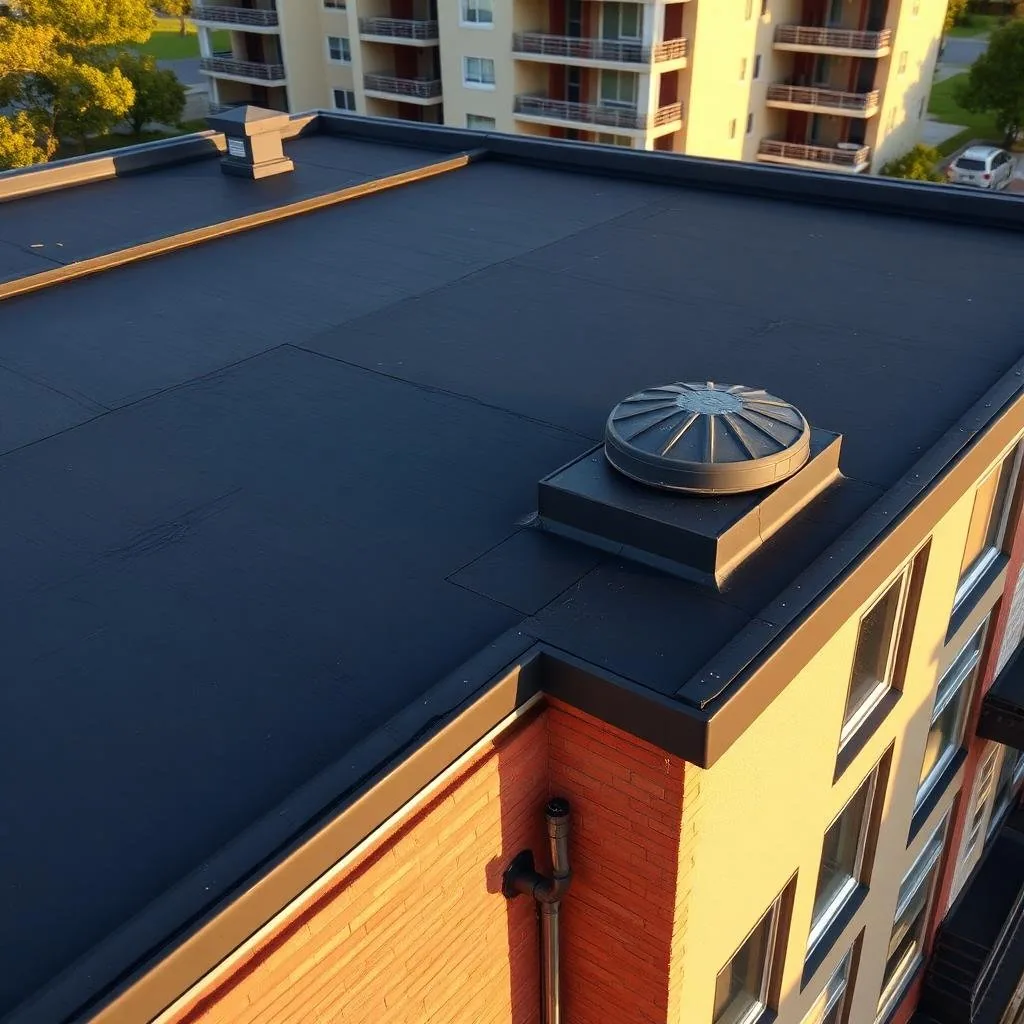
An EPDM seam is not repaired like a welded thermoplastic lap. The rubber membrane uses adhesive or seam tape at many joints, and the bond depends on surface preparation, pressure, and compatible materials. In Anchorage, AK, freezing weather and snowmelt make those details important at drains, terminations, and wall transitions. We inspect the seam, substrate, and water route before choosing a repair method or replacement assembly.
The North Star area sits within the greater Midtown planning context, while Tudor Road connects employment and mixed-use areas in the Anchorage Bowl. Commercial buildings in these areas still need a roof scope based on their own layers and drainage. We document the assembly and show where evidence supports repair, testing, or removal. A commercial roof inspection can locate the membrane type and seam conditions before work is priced.
Related Pages
What should an EPDM seam look like?
EPDM sheets are joined with a seam system designed for the membrane. Depending on the assembly, that may involve primer and splice tape, bonding adhesive, or a manufacturer detail for the specific transition. The surface must be clean and dry, and the materials need to match the existing roof. A wrinkle, fishmouth, loose edge, or contaminated lap can create a path for water even when most of the sheet appears intact.
We check the full seam length and examine the overlap, field membrane, and adjacent insulation. A small opening may point to a local preparation issue. Separation across several runs can suggest movement, aging materials, incompatible repairs, or a wider installation concern. The repair boundary should reach sound material, not stop at the first visible split. We document the location and test adjacent areas before deciding whether the defect is isolated.
Pressure matters when applying seam tape. The installer rolls the material to establish contact and follows the specified overlap and edge treatment. Adhesive requires the correct open time and application conditions. These steps are easy to hide under a patch, so repair records should identify the seam, materials used, and preparation completed. If a prior repair uses an unknown tape or coating, we verify compatibility before covering it.
Where does water get past the field membrane?
Water most often enters at a detail rather than through an intact sheet. We inspect roof edges, parapet terminations, penetrations, drain bowls, scuppers, expansion joints, and the perimeter of rooftop equipment. EPDM needs a compatible flashing method at each change in plane. A patch applied to the field cannot restore a loose termination bar or a split corner around a curb.
At a drain, the membrane must connect securely to the clamping ring or drain assembly. Debris, ice, and sediment can slow flow, while a low area can leave water standing after a thaw. We inspect the drain bowl, sump, surrounding seams, and insulation condition. A drain and scupper service can address drainage details when they contribute to a leak or recurring water pocket.
The North Star area includes commercial access near Midtown employment and shopping areas. The plan context tells us where roof work intersects with active building use, but the roof condition comes from inspection. We note service routes, mechanical equipment, and any areas where snow accumulation or foot traffic can conceal seam movement. That map helps the facility team direct later checks to the same roof zones.
How do snow and cold affect EPDM work?
Anchorage’s climate normals track snowfall and snow depth, and the NOAA table for Merrill Field reports recurring winter snowfall and subfreezing monthly mean temperatures. Those conditions influence access, surface preparation, and temporary protection. Snow can cover a seam or drain, while a thaw may move water beneath a lap before it refreezes. We plan the inspection around safe access and record which details remain hidden.
Cold-weather flexibility does not mean seam tape or adhesive can be applied without limits. The selected product has installation requirements for substrate condition and temperature. We check those conditions, remove frost or moisture, and use the specified primer and pressure. When a permanent splice cannot be completed correctly, the work area needs a secure temporary cover and a return during a suitable window.
On an EPDM roof, dark membrane may absorb more solar energy than a white surface, but color alone does not explain a leak or dictate replacement. Insulation, air leakage, drainage, and interior use affect roof performance. We examine the assembly and water path rather than drawing a conclusion from surface color. If wet insulation is suspected, targeted testing can determine whether repair should extend past the visible seam.
When is a local splice repair enough?
A local repair works when the defect is limited, the membrane around it remains serviceable, and the new material can bond to a clean surface. We remove loose or incompatible material, prepare the existing EPDM, and install the specified patch or splice. Corners need rounded edges and adequate overlap. The finished detail should shed water and remain accessible for later inspection.
Leaks can travel beneath a membrane before appearing inside. We compare the interior location with roof seams, penetrations, walls, and drainage paths. If moisture is present under the sheet, test cuts can define the wet area and show whether insulation or cover board should be removed. A moisture survey may help focus those tests when the roof size or snow cover makes a visual check incomplete.
Repair limits change when seams separate in multiple zones, the membrane has widespread surface damage, or the underlying insulation is wet across a broad area. At that point, repeated patching may leave the source condition in place. We compare the cost and disruption drivers for additional repair, a roof recover, and full replacement. The recommendation records what evidence supports each path.
What should a replacement preserve or change?
Before removing EPDM, we identify the existing layer count, deck type, attachment, insulation, drains, and edge conditions. Removal can expose wet material or a deck issue that was not visible during surface inspection. The scope should separate known quantities from concealed conditions that need approval after opening. That makes the price and schedule easier to manage without treating a suspected condition as a confirmed one.
A replacement assembly needs compatible insulation, attachment, perimeter securement, and flashing details. The design should keep water moving to drains and scuppers, with transitions at walls and equipment built to match the selected system. Owners can compare EPDM with TPO roofing or PVC roofing when chemistry, seam approach, and project requirements make those alternatives relevant.
The Tudor Road corridor connects employment and mixed-use areas, so access windows can matter for staging and deliveries. We confirm the building’s hours, roof access, and equipment schedule before setting work phases. A clear roof condition report can preserve the locations, photos, and repair history for the facilities team.
Commercial Roofing Questions
Can EPDM seams be heat-welded?
Most EPDM field seams use compatible primer, tape, or adhesive rather than a hot-air weld. The repair method must match the existing membrane and approved system detail. We identify the sheet and prior repair materials before choosing a splice product.
Why does an EPDM lap lift after a repair?
The surface may have been damp or dirty, the tape may not have been rolled, or the repair material may not suit the existing membrane. Movement and edge geometry also matter. We inspect beyond the lifted portion and reset the repair on sound, prepared material.
Does a dark EPDM roof create a winter leak?
Color alone does not establish a leak. We inspect the membrane, seams, insulation, air and vapor layers, and drainage to locate the condition. A dark field may absorb more sun than a white one, but the repair scope follows the observed water path and assembly.
Can new EPDM go over an existing membrane?
A recover depends on layer count, attachment, moisture, deck condition, and project requirements. Wet insulation, loose membrane, or trapped damage can make an overlay unsuitable. We verify those conditions and explain whether removal or a recover fits the documented assembly.
What should we inspect after rooftop service work?
Check the membrane around curbs, conduits, pipes, and service paths. Look for lifted flashing, cuts, loose terminations, and debris that holds water. Record the equipment location and any repair so a later technician can protect the same roof detail.
Trace the EPDM seam and water path
Share the roof plan, seam or leak locations, prior patch materials, and dates water appeared. We will inspect the splice, drainage, flashing, and underlying assembly, then show whether a local repair or broader scope fits the evidence.
Request a roof assessment or call 555-555-5555.