What the existing assembly tells you
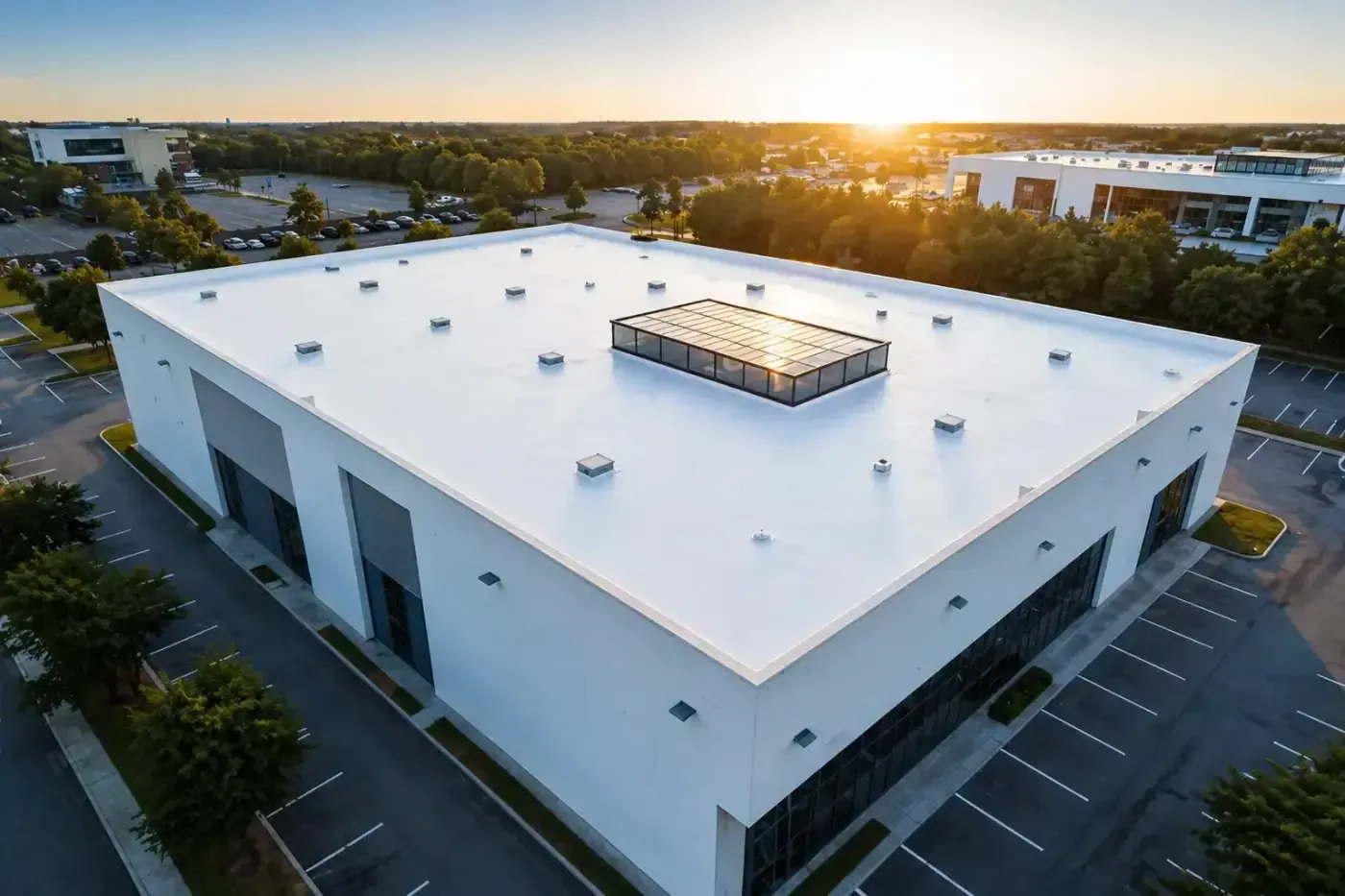
Single-ply systems such as TPO roofing, PVC roofing, and EPDM roofing differ in chemistry, reinforcement, attachment, and repair methods. Existing compatibility matters during a recover or tie-in. We check seams, corners, penetration boots, perimeter details, and the condition of insulation before discussing a new layer. If the assembly is unknown, a cut test or other approved investigation may be needed, with the owner’s approval and a repair detail for each opening.
Which material choices fit the scope
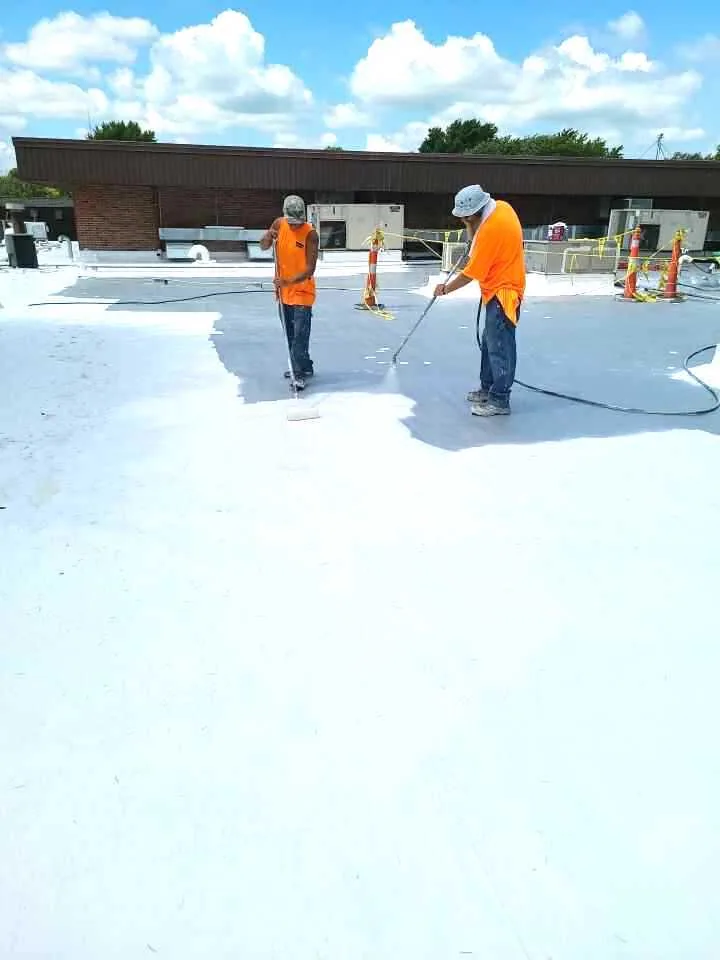
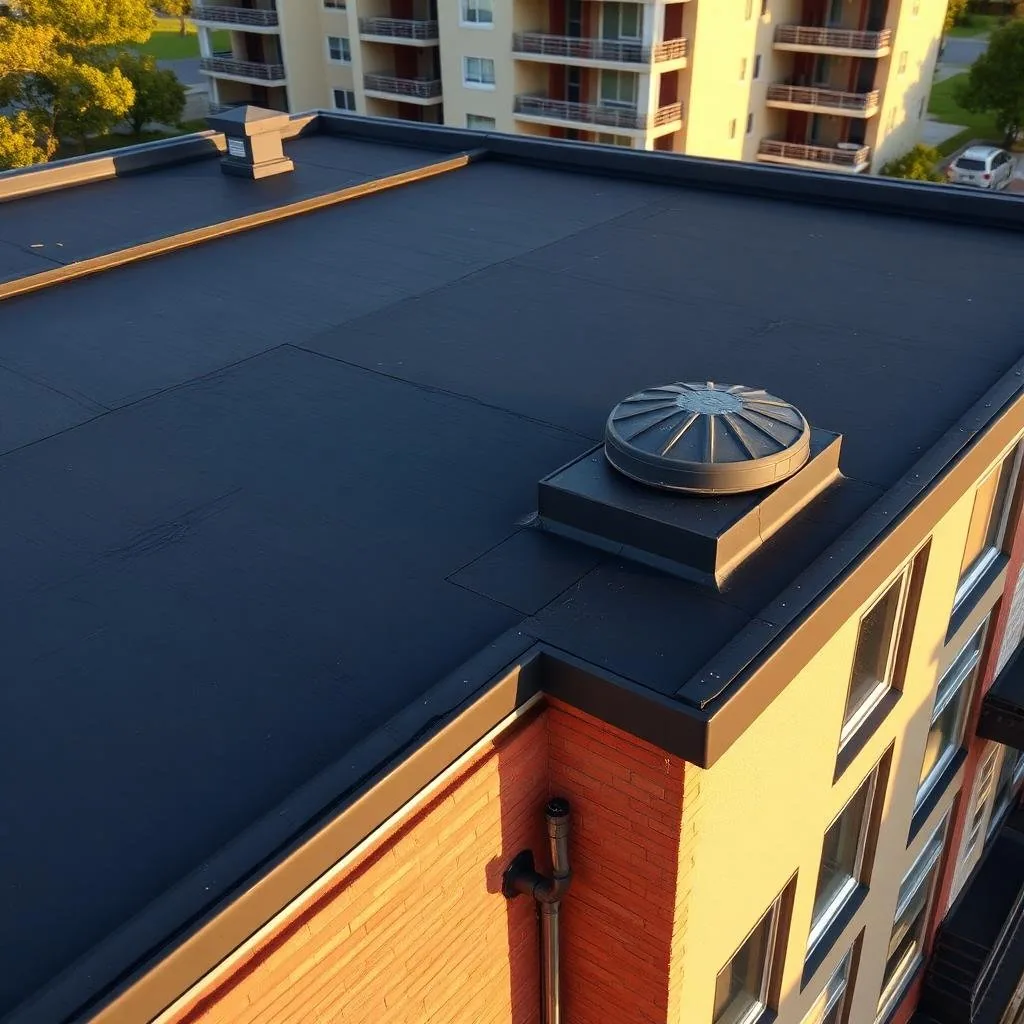
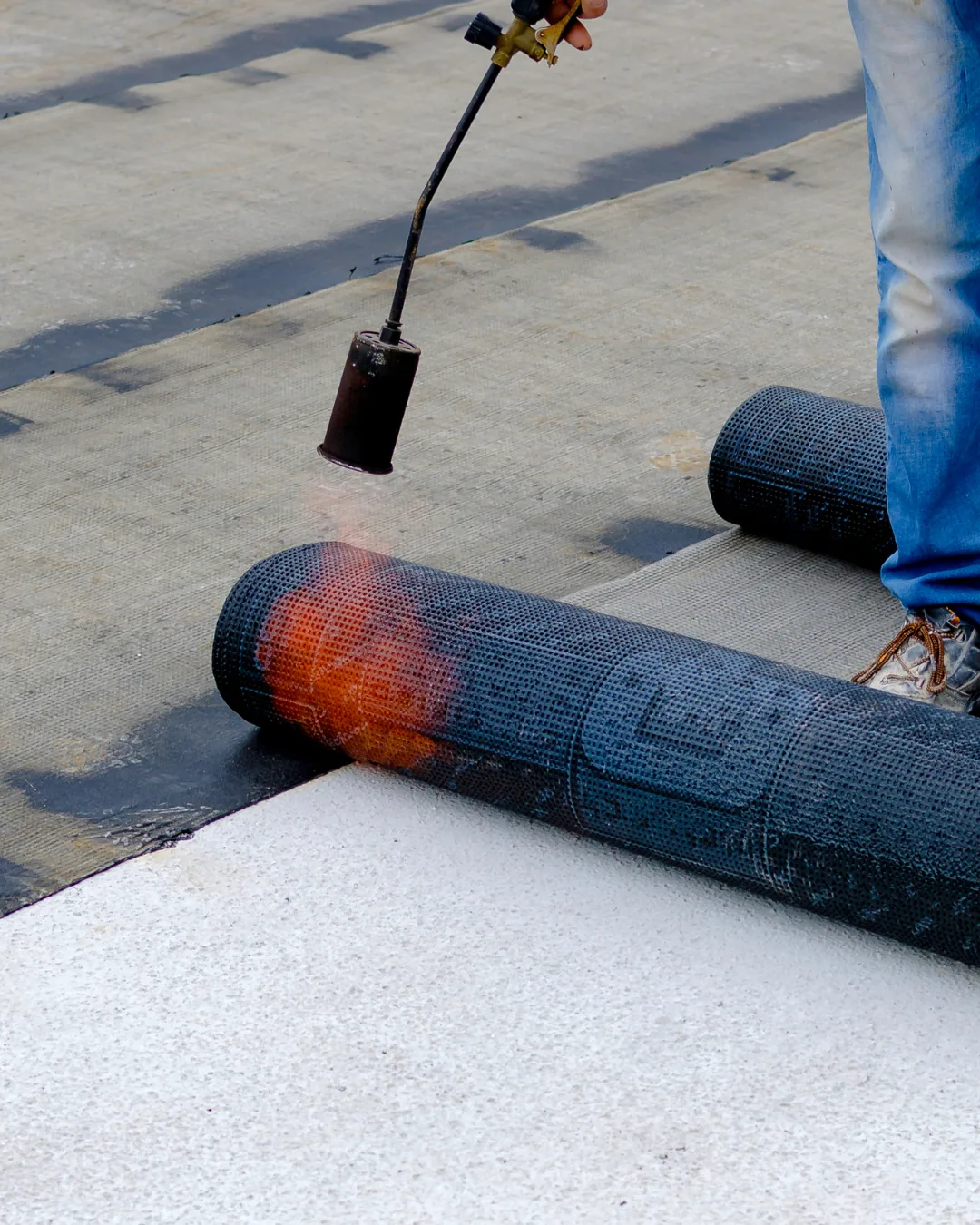
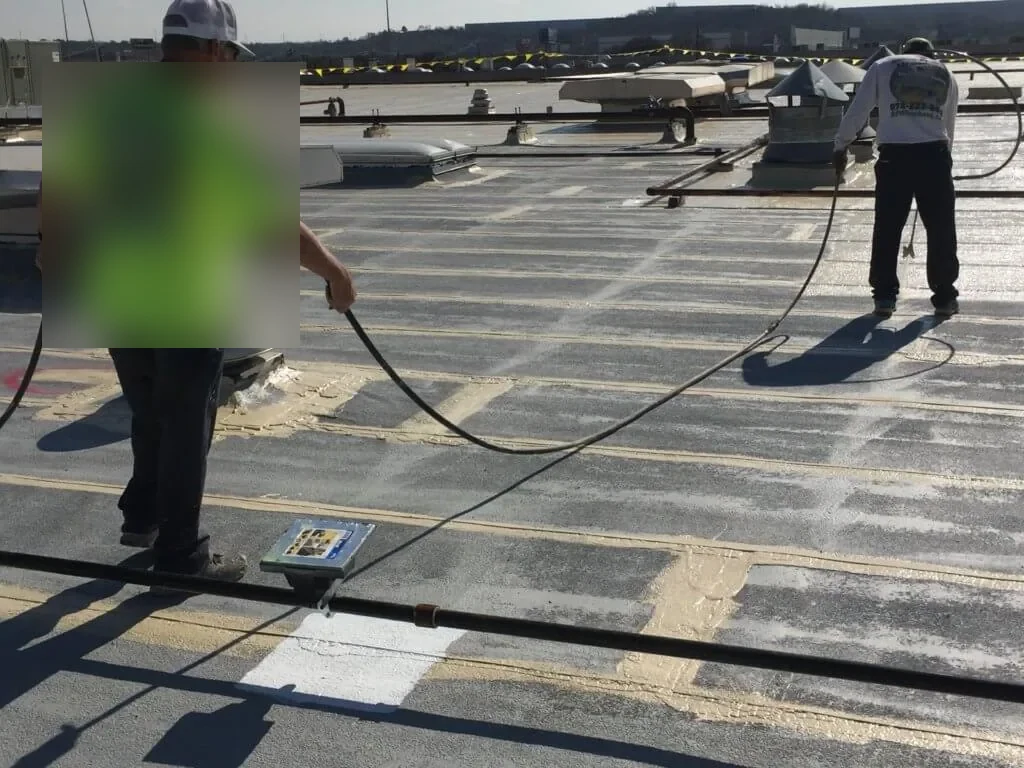
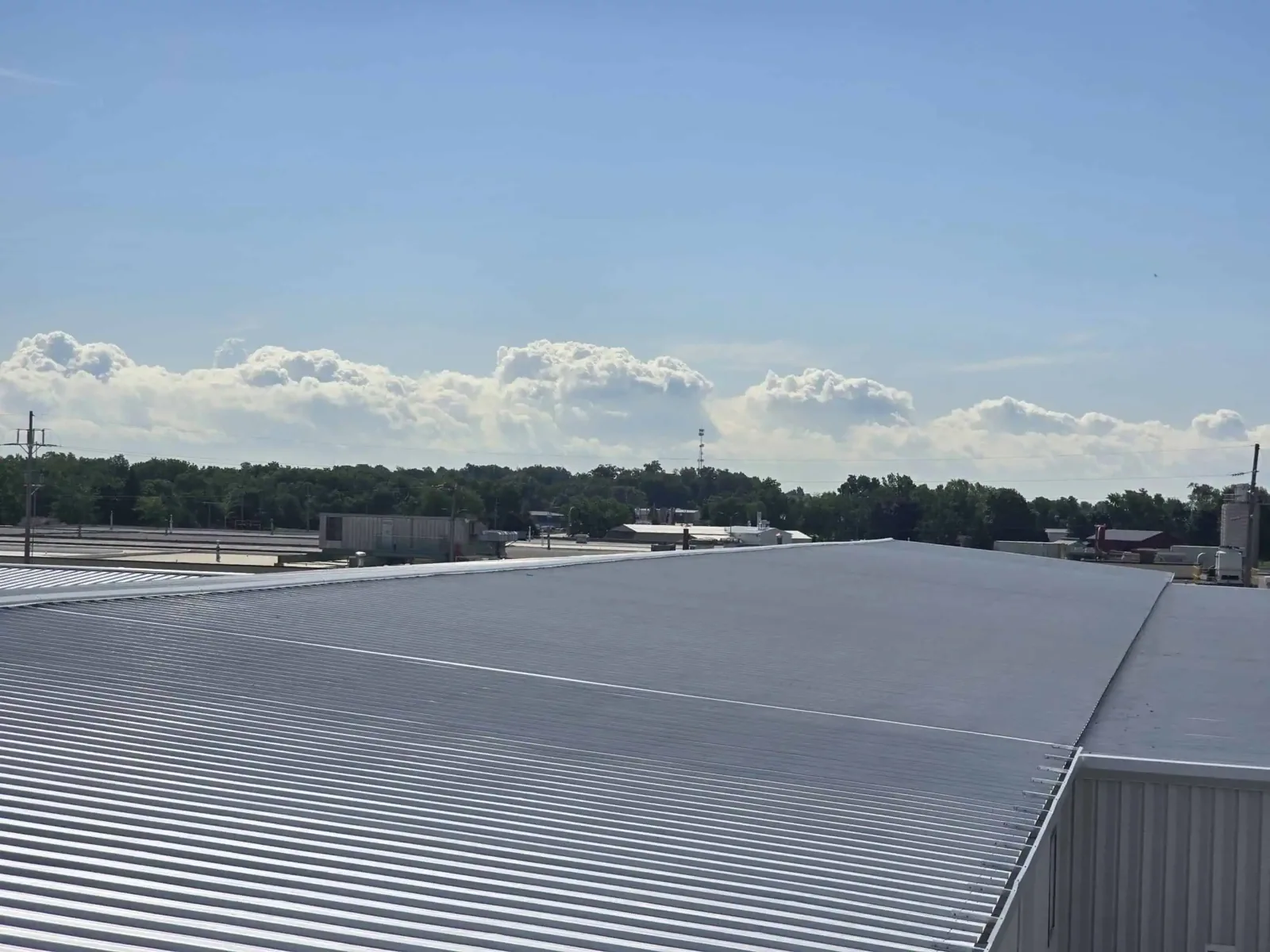
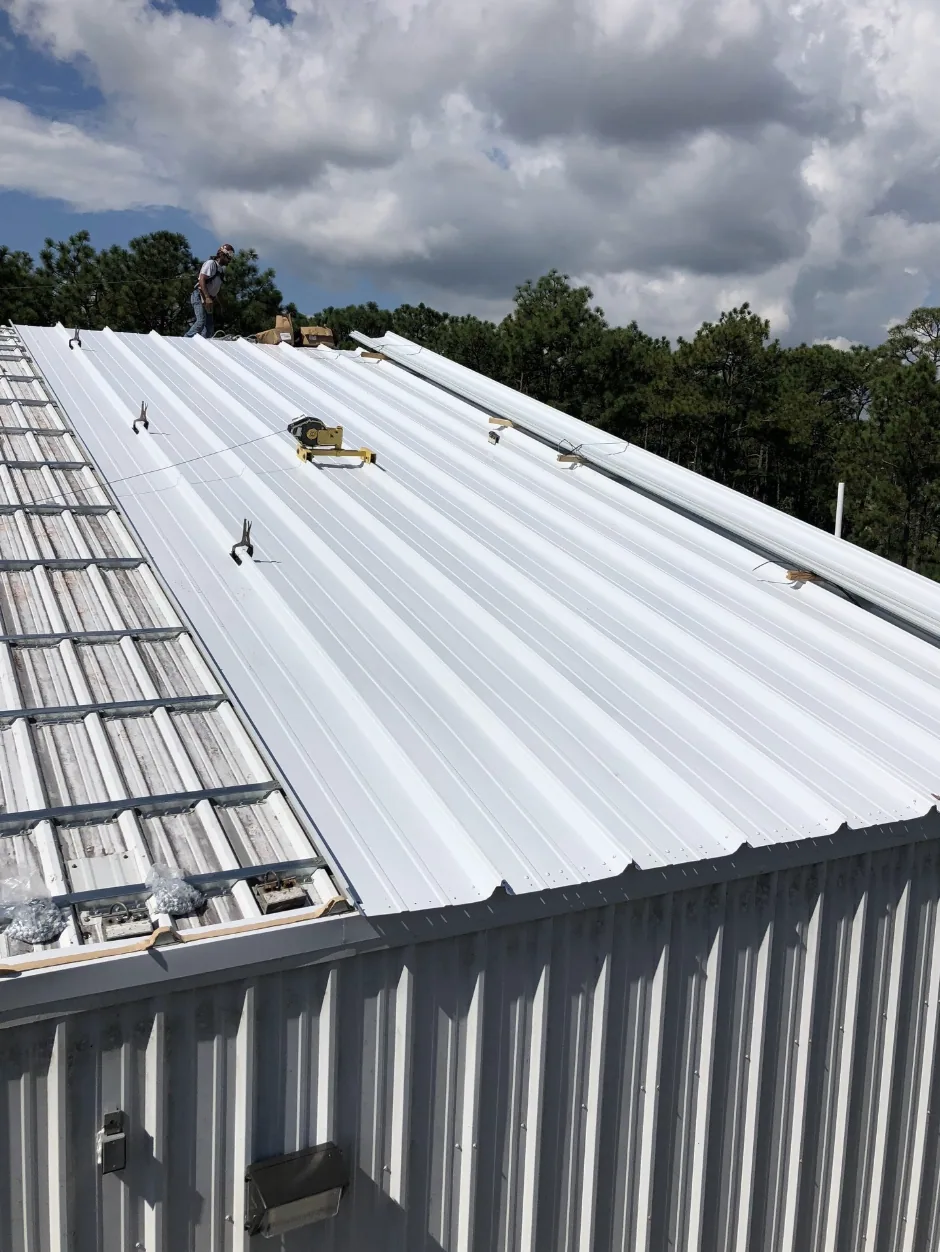
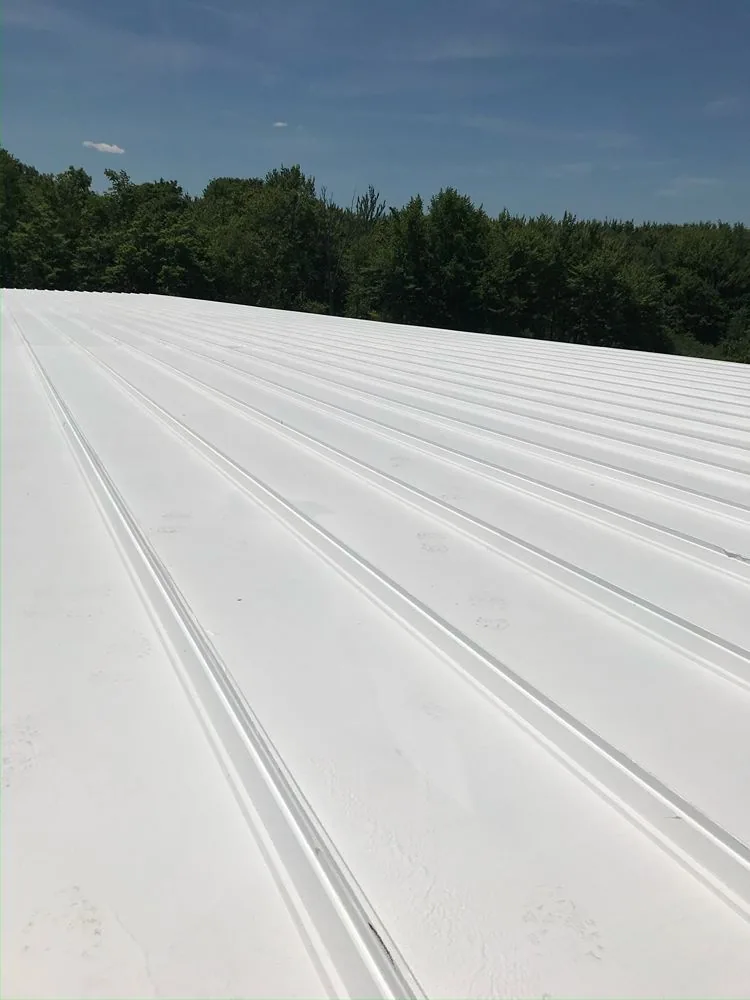
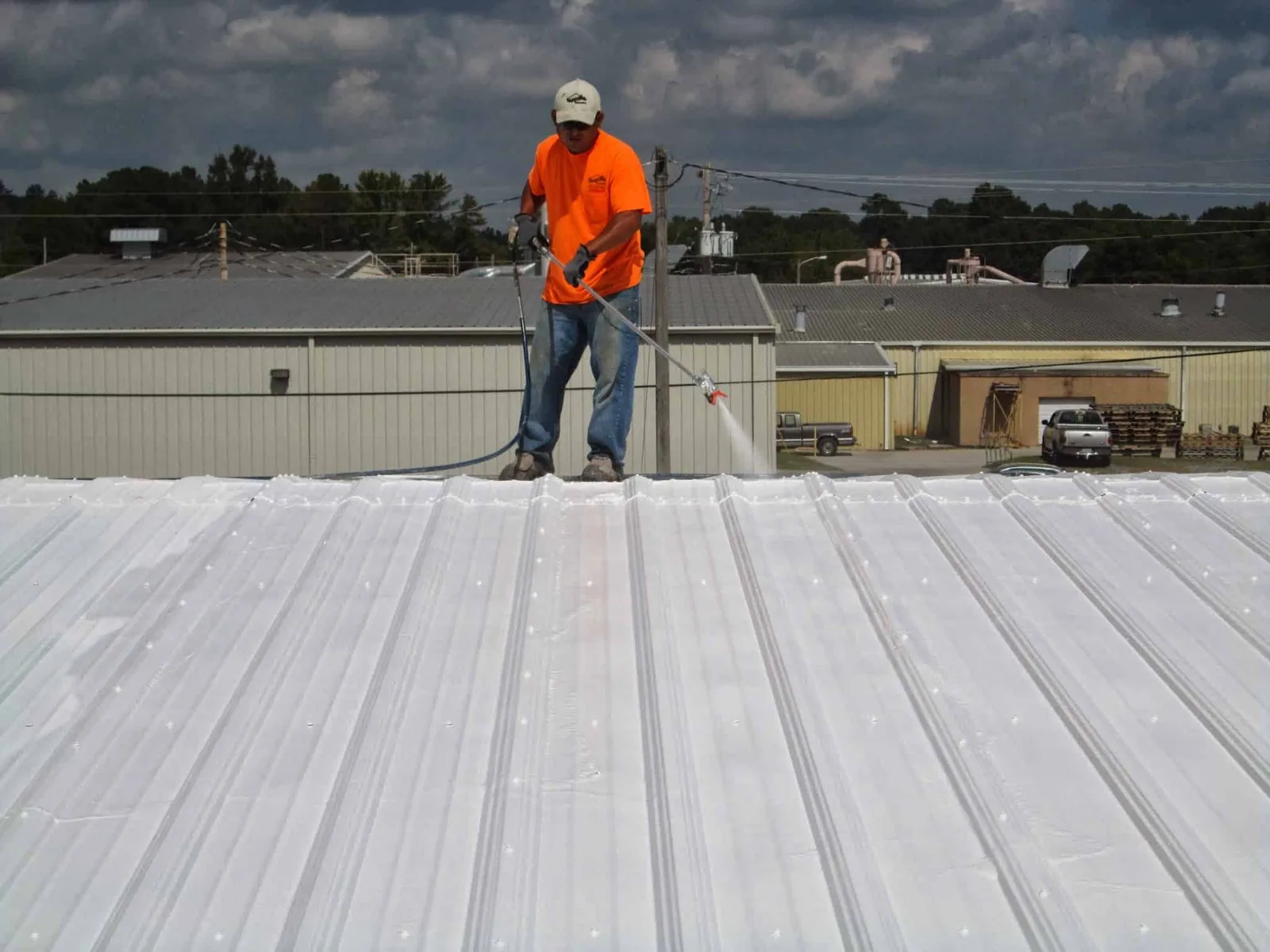
A bituminous roof or metal assembly asks different questions. modified bitumen and built-up systems rely on layered construction and sound flashing transitions; standing-seam panels require attention to clips, laps, penetrations, and movement. Surface coatings are an option only when the existing roof can support that approach and preparation requirements can be met. A standing-seam metal evaluation weighs substrate condition, drainage, adhesion, and the limits of the product system rather than treating coating as a cover for unresolved moisture.
How seams and transitions are inspected
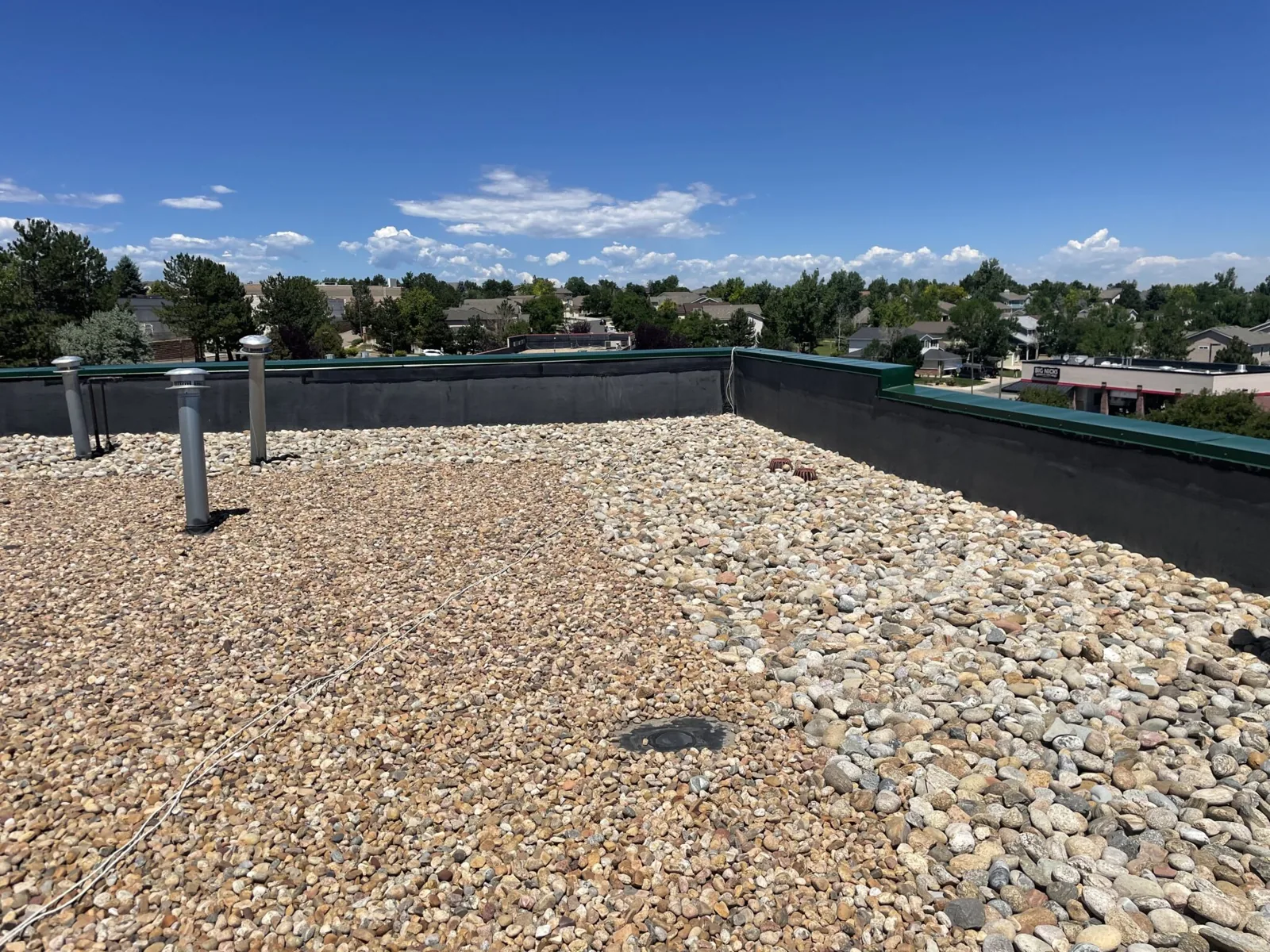
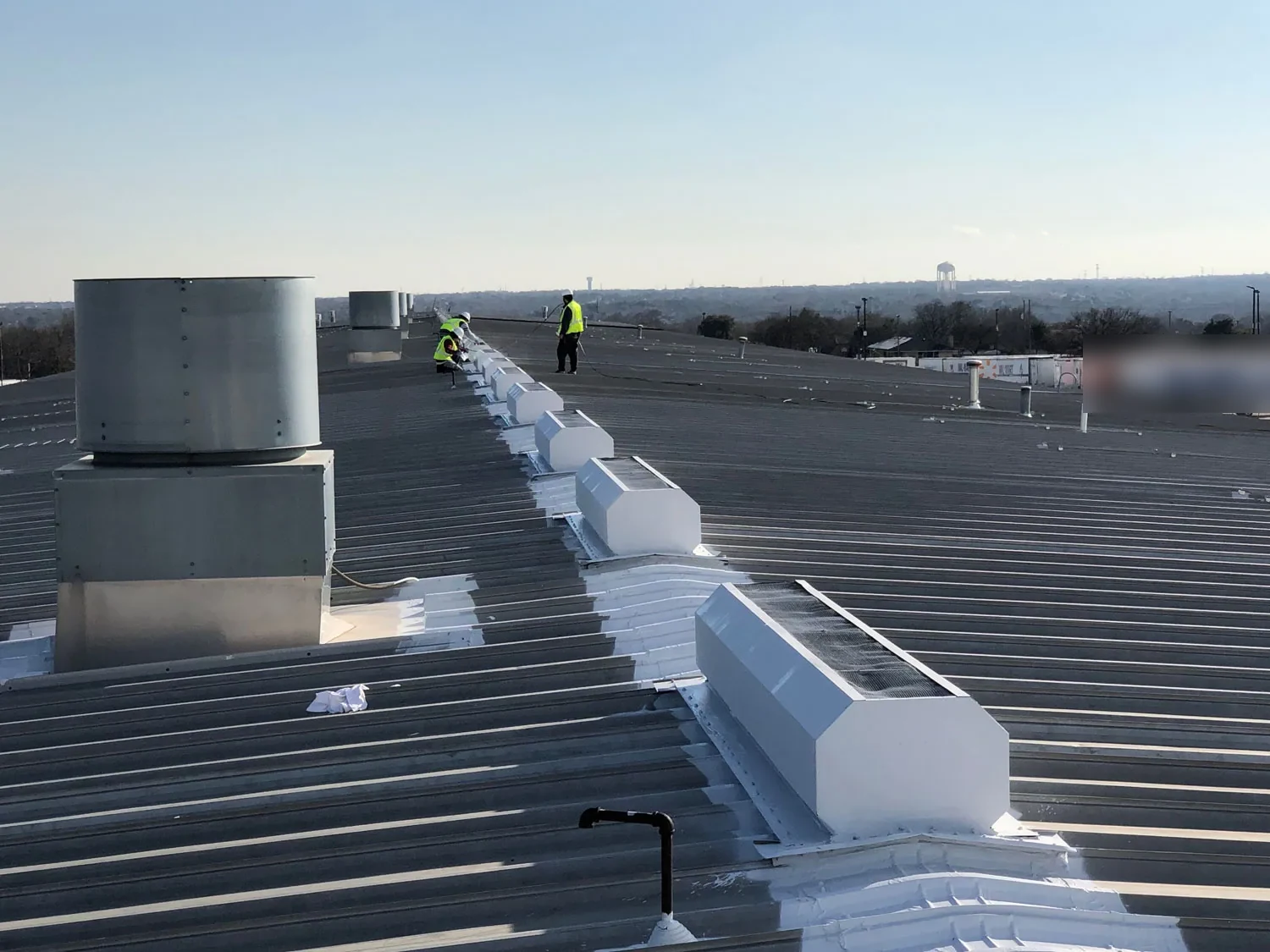
Drainage is an assembly detail, not a separate accessory. We inspect drain bowls, scuppers, crickets, and low points for debris, ponding evidence, open seams, or movement at the surrounding flashing. Snowmelt can follow a path that differs from the leak location inside. A roof coating restoration scope needs safe roof access and documented clearances. We also check that rooftop equipment supports and penetrations have sound curbs and compatible flashing before proposing system-level work.
What snowmelt reveals at drainage points
A useful comparison sets options against the same findings: repair, recover, tear-off, or a coating system where suitable. The record should identify material, attachment, drainage concerns, repair limits, and the details that drive labor or sequencing. We install and repair common low-slope and metal assemblies, without assuming a manufacturer relationship. For local access, review our snow and ice roof repairs; for a roof-specific decision, we can inspect and explain the available choices.
Commercial Roofing Questions
How can I identify the roof membrane?
Plans, invoices, visible markings, and inspection can narrow the system type. When records conflict with field conditions, we document what is visible and propose limited verification before specifying a tie-in or repair material.
Does a new membrane have to match the old one?
The selected repair product has to match the existing layer and its approved detail. Replacement may allow a different system, but deck, insulation, drainage, attachment, edge conditions, and project constraints all affect that decision.
What does a coating leave unresolved?
A coating cannot remove moisture trapped below a membrane. We locate suspected wet areas, verify them as appropriate, and define any removal or repair before assessing surface preparation and adhesion.
Why inspect drains after snow season?
Snow and thaw can expose debris, movement, and water paths around drain bowls or scuppers. A documented check helps distinguish a blocked opening from a membrane, flashing, or slope issue that needs separate work.