Acrylic Roof Coatings in Anchorage, AK
Overview
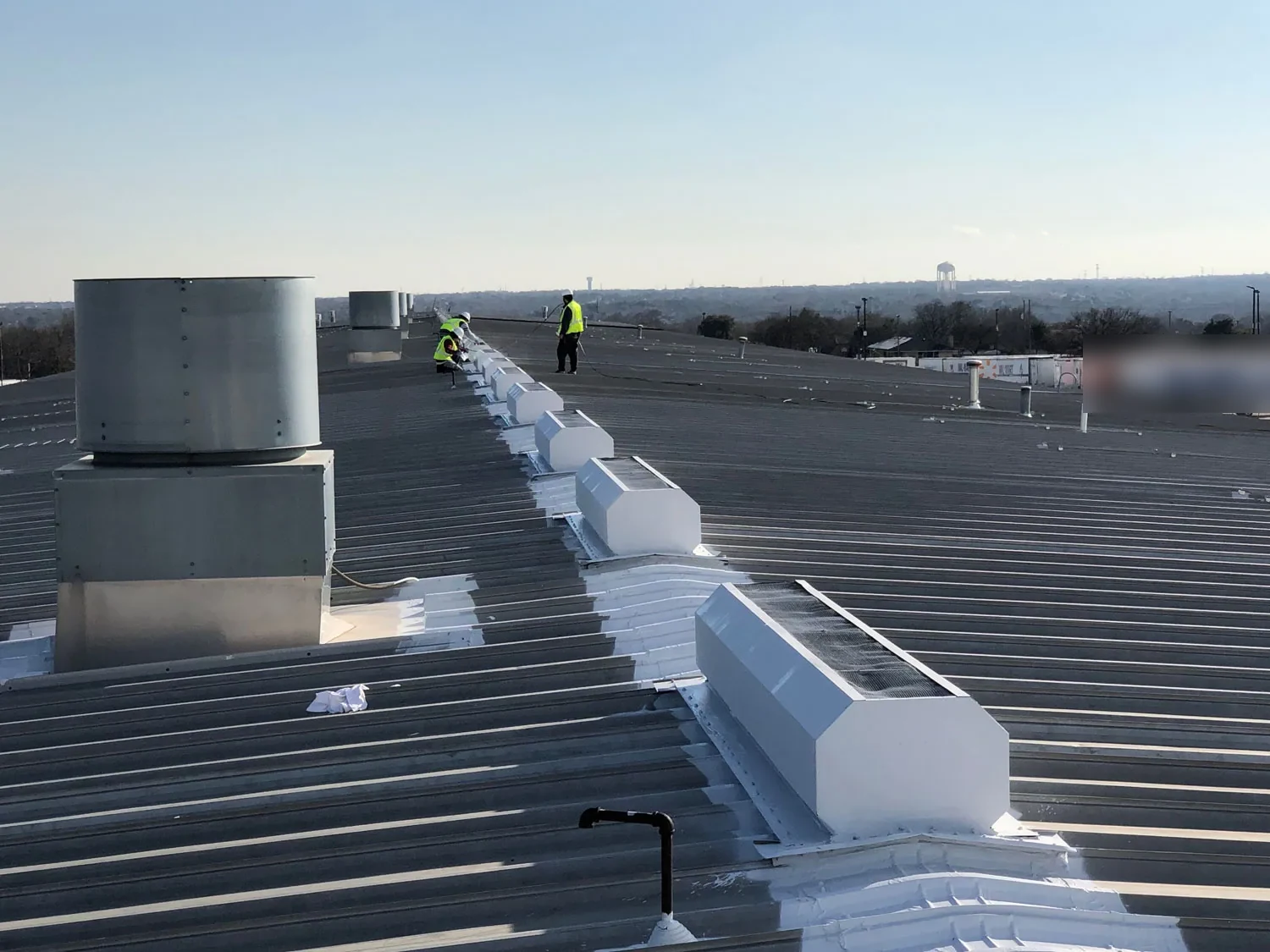
An acrylic coating needs a clean, sound roof and a drainage path that does not leave water standing for long periods. We inspect the substrate, seams, penetrations, low spots, and existing coating before recommending restoration. In Anchorage, AK, snow accumulation and recurring freeze-thaw conditions make the meltwater route part of the first review. A coating can renew protection on a suitable roof, but it cannot correct wet insulation or a failed deck.
Downtown Anchorage is the city’s highest-intensity mixed-use center, and Airport Heights sits within the broader Anchorage Bowl. Those local settings have different access and operating needs, while the roof assembly sets the technical scope. We identify the coating type and test adhesion before selecting preparation. A commercial roof inspection can document the existing roof condition and any repairs that must come first.
Related Pages
What is the coating covering?
Before an acrylic layer is considered, we identify whether the roof below is metal, membrane, modified bitumen, or another assembly. The existing coating, patch materials, and prior repairs can affect adhesion. We inspect for peeling, chalking, blisters, split seams, corrosion, and places where the coating has thinned. A coating over loose material may detach with the layer beneath it.
We prepare a test area on representative roof sections, following the product requirements for cleaning, priming, and drying. The test can show whether the coating bonds as expected and whether the surface needs more preparation. A single test does not replace inspection of different roof zones when the substrate or repair history changes. We record where the test was performed and what preparation it received.
Metal roofs need special attention at fasteners, panel laps, and moving seams. Existing membranes need an inspection of seams, flashing, and exposed reinforcement. A silicone coating system has different water-exposure characteristics; the product selection should reflect the roof’s drainage and its substrate rather than a general preference for one coating.
Does the roof drain between thaw cycles?
Acrylic coating is not a substitute for positive drainage. We inspect the slope, drain bowls, scuppers, overflow openings, and depressions where water can remain. Prolonged ponding may soften or stress the coating, depending on the system, so we compare the water line with seams and surface changes. If the outlet is blocked, cleaning it may solve the immediate issue; if the substrate holds water, the roof may need a profile correction.
Anchorage climate normals include snowfall and snow-depth records. That recurring winter condition makes it useful to inspect outlets, low spots, and coating edges after snow cover no longer limits visibility. Ice at a drain or edge can affect access as well as water movement. We use the building’s roof access rules and a qualified inspection plan, not improvised travel across a snow-covered surface.
A drain and scupper service can correct an outlet issue that sends water back over a coated area. The repair boundary should include the bowl, flashing, and surrounding surface where needed. We document the route water follows, so the owner can distinguish a drain blockage from a low spot or failed seam.
Which defects need repair before coating?
Open seams, loose flashing, failed fasteners, cracked penetrations, and wet insulation must be addressed before a new layer is applied. We remove loose coating to a stable edge, repair the roof detail, and prepare the surrounding area for the coating system. Skipping those steps can leave the same opening concealed under a new surface.
At roof edges and penetrations, reinforcement needs to match the geometry and expected movement. We check curbs, vents, skylights, parapets, and metal terminations for separation. A roof coating restoration can include compatible preparation and reinforcement after those conditions are mapped. If an active leak threatens interior space, emergency roof repair can stabilize the area before the permanent coating scope is set.
Downtown’s mix of commercial, office, residential, and public uses means that work windows may need to protect entrances and occupants. We coordinate material staging, cleaning, and access with the facility team. When repair extends beyond a local detail, commercial roof repair can correct the failed area before any field coating proceeds.
What conditions govern application?
Substrate temperature, moisture, precipitation, and product application limits set the workable window. We confirm those conditions rather than assuming a calendar date is suitable. Applying over a damp surface or before a coating can cure may compromise adhesion. Cleaning water must also be managed so it does not enter drains improperly or reach sensitive building areas.
The scope should identify the coating product, preparation, primer where required, reinforcement, number of applications, and finished coverage checks. Thin areas at seams, edges, and curbs can leave the roof less protected than the field. We check those transitions as part of the application, and protect drains from coating material. The repair record should identify the roof zones, test areas, and materials installed.
Where foam is the substrate, an SPF roof system needs its own assessment of foam condition and profile before a coating is selected. A wet or detached area may require removal to sound material. The acrylic layer should not be used to conceal a surface that is failing underneath.
When is restoration the wrong choice?
Restoration may not fit when the roof is wet below the surface, the deck is damaged, the coating cannot bond, or repairs have become widespread. We inspect representative areas and separate visible evidence from conditions that require test openings. If the substrate is sound and the drainage route works, an acrylic application may be considered. If not, the owner needs a repair or replacement comparison.
Removal may be the better path when multiple roof layers, trapped moisture, or failed attachment prevent a reliable recoat. A commercial roof replacement can address the full assembly, including insulation, drainage, and transitions. The decision should account for roof condition, access, business operations, and what the opened roof could reveal.
Keep the coating data, test results, prior repair photos, and seasonal inspection notes together. In the Airport Heights area or Downtown Anchorage, the same evidence helps the facility team plan around each building’s access and use. Revisit coating edges, drains, penetrations, and repaired zones after winter and after rooftop service work.
Commercial Roofing Questions
Does acrylic coating tolerate water left standing on the roof?
The roof’s drainage and the product requirements have to be checked first. Acrylic coatings are not interchangeable with systems selected for sustained ponding. We identify why water remains and whether slope, outlets, or the substrate need correction before specifying any coating.
Will new coating hide old roof leaks?
A surface layer cannot repair an open seam, wet insulation, or failed flashing on its own. We locate the leak path, repair the underlying detail, and confirm the substrate is stable before coating. Any unresolved condition should stay outside the application area until corrected.
How is acrylic coating adhesion checked?
We prepare test patches on representative surfaces and check the bond after the required cure. Different repairs or substrate zones may need separate tests. The preparation method and test location belong in the work record so application crews can follow the verified conditions.
Can an acrylic coating be applied in cold weather?
The surface and air conditions must meet the selected product’s application limits. Cold, moisture, and precipitation can delay work or affect cure. We check the roof and forecast conditions for the planned window, then schedule around building access and the coating requirements.
Test the surface before coating
Share the roof plan, coating history, test results, leak dates, drainage concerns, and access limits. We will inspect the substrate and transitions, then show whether repair, acrylic restoration, or replacement fits the existing assembly.
Request a roof assessment or call 555-555-5555.