Commercial Roofing in Downtown Anchorage, Anchorage, AK
Overview
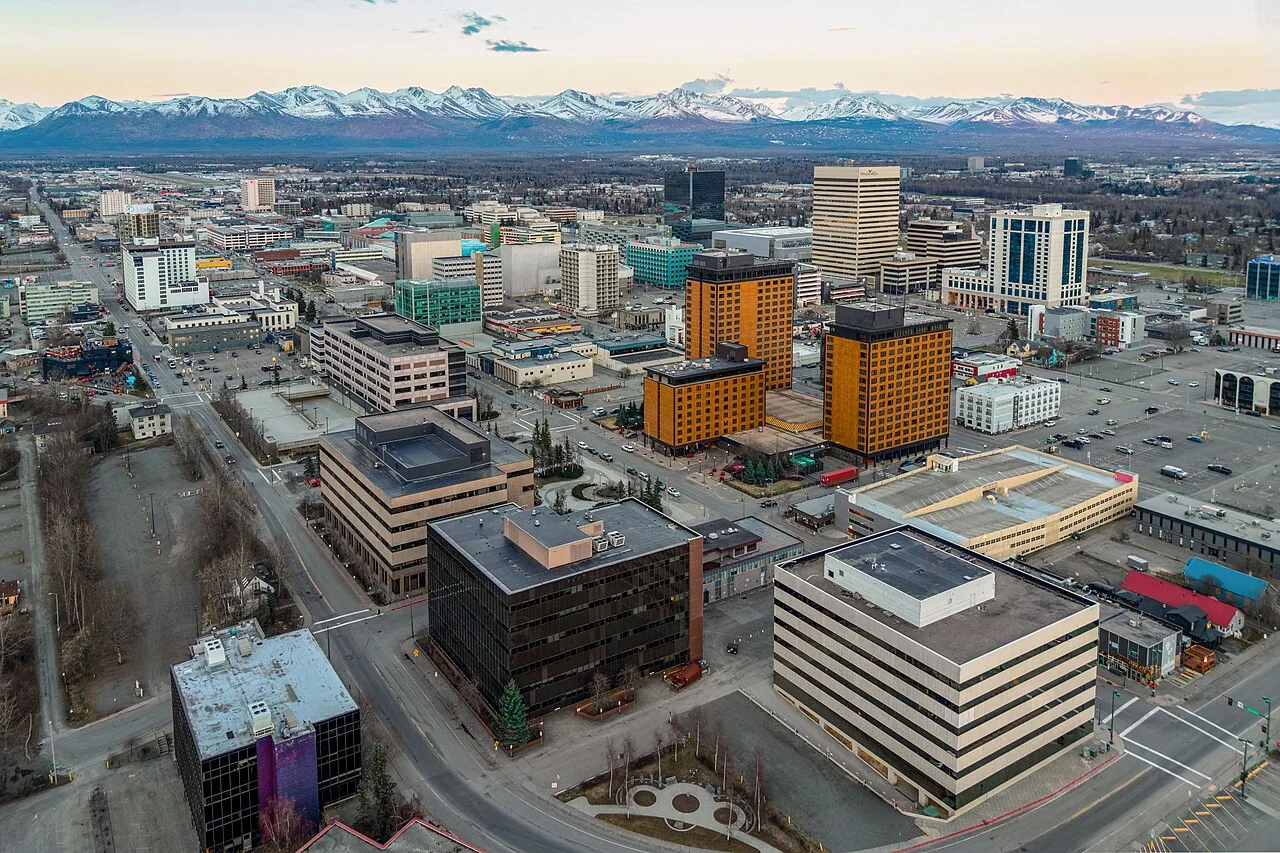
A drain bowl under snow does not tell a facility director whether water can move once a thaw starts. Downtown Anchorage is the municipality’s City Center, a mixed-use district where office, public, residential, and commercial operations share a compact urban setting. Roof access, loading windows, and occupant routes can shape when an inspection is useful. We begin with the roof map, the reported leak dates, and the areas a crew can reach safely, then record what the surface actually shows.
That gives an owner a decision tied to a roof zone instead of a guess based on one ceiling mark. Snow cover can hide a seam or low point, and meltwater can travel before it appears indoors. We trace the likely path, inspect the drain and adjacent flashing when visible, and identify areas that need a later visit. A commercial roof inspection can establish that record before a repair or replacement scope is chosen.
Related Pages
Which roof detail explains the interior mark?
A ceiling stain in a Downtown office can sit several feet from the membrane opening because water follows insulation joints, deck flutes, or a low point before it reaches an interior finish. The first walk compares the room, timing, and weather report with the roof plan. We check seams, drain bowls, wall transitions, curbs, and previous patches in the roof zone above and uphill from the symptom. A dark mark alone does not set the repair boundary.
We also ask whether a tenant or maintenance worker noticed a change after equipment service or snow removal. A new opening near a curb calls for a different inspection than a slow drain or a deteriorated edge. The Diligence Notes separate a confirmed split from a suspected moisture path and show where the crew could not get a close look. Around Midtown and the City Center, commercial activity can make roof access schedules tight, so the facility contact helps coordinate the route and any escort rules.
Where does meltwater travel after the snow clears?
Water should reach a drain or scupper without crossing an open lap, a loose edge, or a low area that holds it against a transition. Downtown roof layouts can include several elevations and changes in parapet height. We follow the surface from the affected zone toward the outlet, checking for debris, ice, lifted membrane, separated sealant, and a blocked drain bowl. If a covered section cannot be examined safely, it stays marked for follow-up rather than being recorded as sound.
Freeze-thaw conditions make the timing of an inspection matter. Snow can conceal the point where meltwater first reaches the roof, while a thaw can expose ponding or a shifted repair. We photograph the outlet and nearby seams before moving loose material, then document whether the water path is clear. A flashing failure review is appropriate when the trail leads to a curb, wall, or parapet transition. The same observations help the owner decide whether a drain correction can stay local or needs a broader assembly review.
How can crews work around occupied Downtown properties?
Roof work in the City Center often has to fit around building hours, deliveries, public entrances, and tenants below. Before setting a visit, we ask the facility director for roof-entry instructions, loading restrictions, fall-protection requirements, and any area that must remain open. The inspection route can then avoid moving tools across active service areas or staging material over an occupied entrance. Those details affect scheduling and crew movement, not the diagnosis itself.
During a repair, we define a boundary that can be protected and reopened in a planned sequence. A small flashing repair may be completed in one window, while wet insulation or a long seam failure can require material handling and tenant coordination. The proposal identifies the affected roof zone, temporary protection, and any follow-up that remains. For buildings connected to adjacent parcels, we confirm who controls each roof section rather than treating a shared wall as shared authority. A Fairview service area can be relevant for nearby owners coordinating related properties across central Anchorage.
Can a repair hold, or is replacement the better scope?
A repair is reasonable when the membrane around the opening remains attached, the substrate supports a sound tie-in, and the water path can be corrected without leaving a second weak detail. We clean and prepare the surface, use materials compatible with the installed system, then probe and photograph the finished seam. If water has traveled beyond the visible opening, we may recommend selective testing before the owner approves a larger removal area. The work order should state the repair limits and what finding would change them.
Replacement enters the discussion when failure repeats across roof zones, insulation is wet over a broader area, or the existing assembly cannot support a durable local detail. A TPO roof system review can compare seam and flashing requirements with the documented assembly, while a preventive roof maintenance visit can catch drains and edge details before the next winter cycle. Midtown and Downtown share access to central services, but each building’s plan, roof construction, and operating schedule still govern its scope.
What should the closeout record preserve?
Keep the roof map, photographs, work ticket, and material notes together. Mark the seam, curb, drain, or edge that was repaired and the roof zone where it sits. If snow or an access restriction prevented a close inspection, record that limitation and the return condition needed to finish the review. The next facility manager should be able to distinguish completed work from a temporary measure without reconstructing the visit from memory.
Downtown’s civic and employment role brings different building schedules into a tight area, so a concise access record is useful when maintenance shifts change. Note who authorized roof entry, what tenant protections were in place, and whether another trade altered a penetration afterward. The same file can support a later Midtown roof review or work near the Ship Creek industrial district, without assuming the same assembly or access rule applies. The facility director can send the roof plan, leak timeline, repair history, and snow-removal notes to set the next visit.
Commercial Roofing Questions
A leak started after a thaw. What should we check first?
Start with the affected roof zone and the nearest drain path. We look at the bowl, adjacent laps, wall turns, and any patch in the path before proposing a repair. If snow still covers a detail, it remains an open inspection item.
Can crews repair a roof while Downtown tenants are inside?
The building’s hours and access rules set the work window. We map tool movement, loading, fall protection, and tenant separation before mobilizing. A contained repair may fit a short window; broader removal may need phased work and a longer notice period.
Does an interior stain show where the roof is open?
Not by itself. Water may travel below the membrane before it reaches a ceiling. We compare the stain with roof slope, drains, seams, and prior repairs, then identify which observations support the proposed repair boundary.
When should I ask for a replacement scope instead of another patch?
Look at the pattern across the roof, not just the newest leak. Repeated failures, widespread wet insulation, or a substrate that will not hold a tie-in can shift the decision toward replacement. We explain what testing would confirm that broader need.
What records should the facility team send before an inspection?
A roof plan, leak timeline, prior repair tickets, access instructions, and snow-removal history help us select the right zones. Include equipment or curb changes if known. We use the records to plan the visit, then verify conditions in the field.
Set a Downtown roof inspection window
Send the roof plan, leak timeline, prior repair notes, access rules, and snow-removal history. We will map the reported area, document visible seams and drainage, and define a repair boundary or the next test the roof needs.
Request a roof assessment or call 555-555-5555.