Commercial Roofing in North Star, Anchorage, AK
Overview
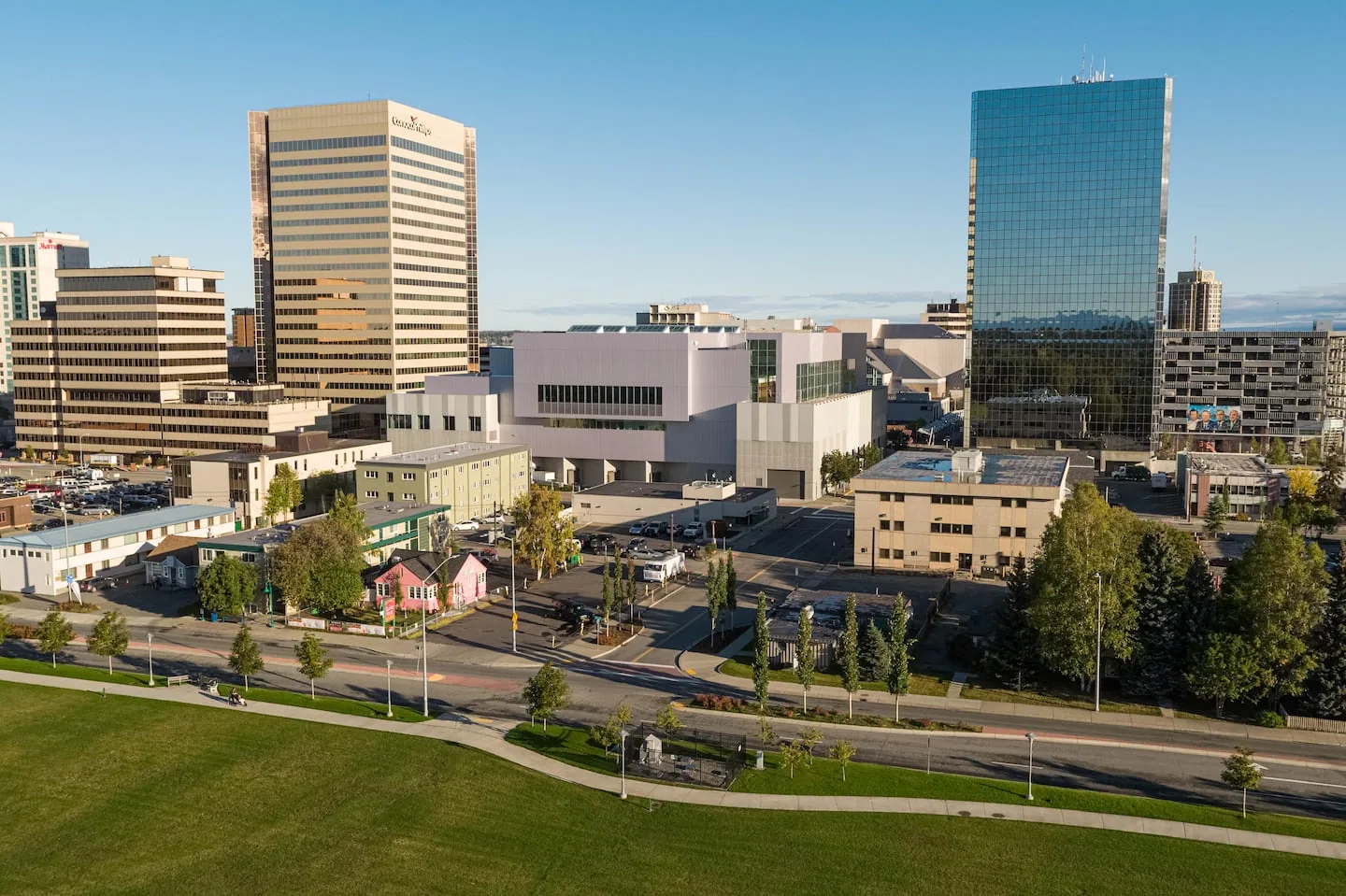
A roof edge beside a tree line can hold drifting snow differently from a roof near the commercial core. North Star extends north from Midtown toward the Chester Creek Greenbelt, and the area is part of the greater Midtown District planning effort. That geographic context helps us orient an inspection, but it does not tell us the roof type or condition at a property. We start with its roof plan, leak history, and safe access route, then follow the water path across the visible assembly.
A facility director needs a report that separates a blocked drain from a failed seam and identifies any area that remains hidden. We check membrane transitions, edge metal, penetrations, and the outlet serving the affected zone. If a detail is under snow or unsafe to reach, the report marks it for return instead of closing the question. A commercial roof inspection can give the property team that zone-by-zone record.
Related Pages
How does the North Star setting affect the inspection route?
The Midtown planning material places North Star between the commercial core and the Chester Creek Greenbelt. A property team may need to coordinate deliveries and pedestrian access while an inspection is staged, but the owner’s site rules determine the actual route. We confirm the entry point, fall-protection plan, ladder or hatch access, and any area that cannot be crossed. The inspection notes should show where the crew walked and what visual limits affected the findings.
Nearby Midtown, Spenard, and North Star are connected in the district planning area, yet each building has its own roof record. We do not infer a membrane from a neighbor’s property or from the area name. At the roof, we identify markings, seam construction, prior patches, and flashing details. If records are incomplete, the report states which questions can be answered through a closer inspection or selective testing. That is more useful than listing assumptions about a neighborhood’s commercial buildings.
Where could a snowmelt path leave the roof?
Follow water from the high point toward its outlet. A slow drain, raised edge, or low spot can hold meltwater beside a seam even when the roof looks dry at the time of the visit. We inspect the drain bowl, nearby membrane, scupper, overflow, and the flashing where a roof meets a wall or curb. If water crosses a repair, we photograph the surface and mark the likely route on the roof plan before describing the repair boundary.
Anchorage climate normals record snowfall and snow depth over the 1991 to 2020 period. During a covered-roof visit, that context makes it important to distinguish an observed blockage from a detail that cannot be seen. We note whether the outlet is exposed, whether snow-removal activity changed the surface, and what should be checked after thaw. A ponding water roof review can document a low area, while a Midtown service visit uses a separate property map even if the same drainage questions apply.
What should be checked where the membrane ends?
The roof perimeter carries more than a visual finish. Metal edge, coping, membrane termination, and wall flashing keep wind and water from working behind the assembly. We look for movement, open joints, exposed fasteners, loose laps, and sealant that has separated from a transition. At a drain or curb, we check the membrane turn-up, counterflashing, and nearby seams. A photograph should include enough surrounding detail to locate the repair, not just a close view of one split.
Where an edge detail is obscured or ice remains, the owner may need a scheduled follow-up. A temporary cover can protect a defined area, but it does not replace a permanent flashing repair. The work scope records what was installed and when the crew should return. For an open edge, a flashing failure repair assessment can identify which surfaces are sound enough for a tie-in. North Star’s direction toward the greenbelt is geographic context; the roof itself supplies the evidence for the repair choice.
How can a localized repair be kept durable?
A patch should bridge a prepared, stable area and tie into compatible material. We remove loose edges within the approved work area, check whether insulation or cover board is wet, and avoid sealing moisture inside the assembly. If the deck or substrate is compromised, a surface patch may not restore support. The owner should know what will be removed, how the transition will be finished, and which adjacent zones are excluded.
When the same defect returns, inspect the original repair, water route, and nearby detail before repeating the same work. A membrane assembly review can confirm material compatibility when an EPDM system is present. Replacement may be considered if failures span multiple roof zones or testing confirms broader moisture. A commercial replacement scope should identify tear-off limits, insulation decisions, and the sequence for keeping occupied areas protected. The recommendation follows the field evidence, not a neighborhood label.
What should stay with the roof plan after service?
Keep the roof-zone drawing, photographs, repair ticket, material notes, and authorization together. Write the date, reported symptom, visible weather conditions, and seam or transition inspected. If the crew could not reach the area safely, mark that limitation and the condition required for a return. A future team should be able to tell whether the work was complete, temporary, or waiting on another trade without relying on an informal handoff. Add roof-zone names to interior work orders as well; matching the ceiling location to the plan shortens the next comparison. When a patch is revisited, photograph its edge and adjacent drainage so the new condition can be compared with the original closeout.
North Star and the Chester Creek Greenbelt provide useful geographic references for a facility map, while the Midtown commercial core gives a separate point of orientation. Neither determines a building’s roof assembly. Record the property entry route, who approved access, and where material was staged. A Spenard Corridor review may serve another nearby owner, but its Diligence Notes belong to that property. The facility director can send the current roof plan, leak timeline, earlier repairs, and snow-removal procedure before arranging a seasonal inspection.
Commercial Roofing Questions
Should we clear snow before a North Star roof inspection?
Follow the building’s approved snow-removal and roof-access procedure. We inspect reachable areas safely and record any seam or drain left covered. If clearing is not authorized, we schedule a return when the detail can be examined without damaging the membrane.
Can the greenbelt explain a roof leak in North Star?
The Chester Creek Greenbelt is a geographic reference, not a diagnosis. We locate the reported interior mark on the building plan and inspect the roof slope, drainage route, seams, and nearby transitions that could carry water.
What if a drain is clear but water remains nearby?
We look for slope changes, a raised lap, insulation movement, or a blocked overflow that holds water away from the bowl. The report maps the low area and notes whether moisture is confirmed before a repair or testing scope is recommended.
Do Midtown roof findings apply to a North Star building?
They can help frame the district, but one property’s assembly, access, or leak history does not establish another’s condition. We use the North Star roof plan and field observations to identify the work needed at that specific building.
What documents help define a repair boundary?
Send the roof plan, prior repair tickets, leak dates, and any snow-removal notes. We compare those records with visible seams and drainage, then mark what is confirmed, what remains hidden, and which additional test could change the scope.
Arrange a North Star roof inspection
Send the roof plan, leak timeline, repair history, access route, and snow-removal procedure. We will inspect visible drainage and transitions, note any hidden zones, and provide a repair boundary supported by field observations.
Request a roof assessment or call 555-555-5555.