Manufacturing Plant Roofing in Anchorage, AK
Overview
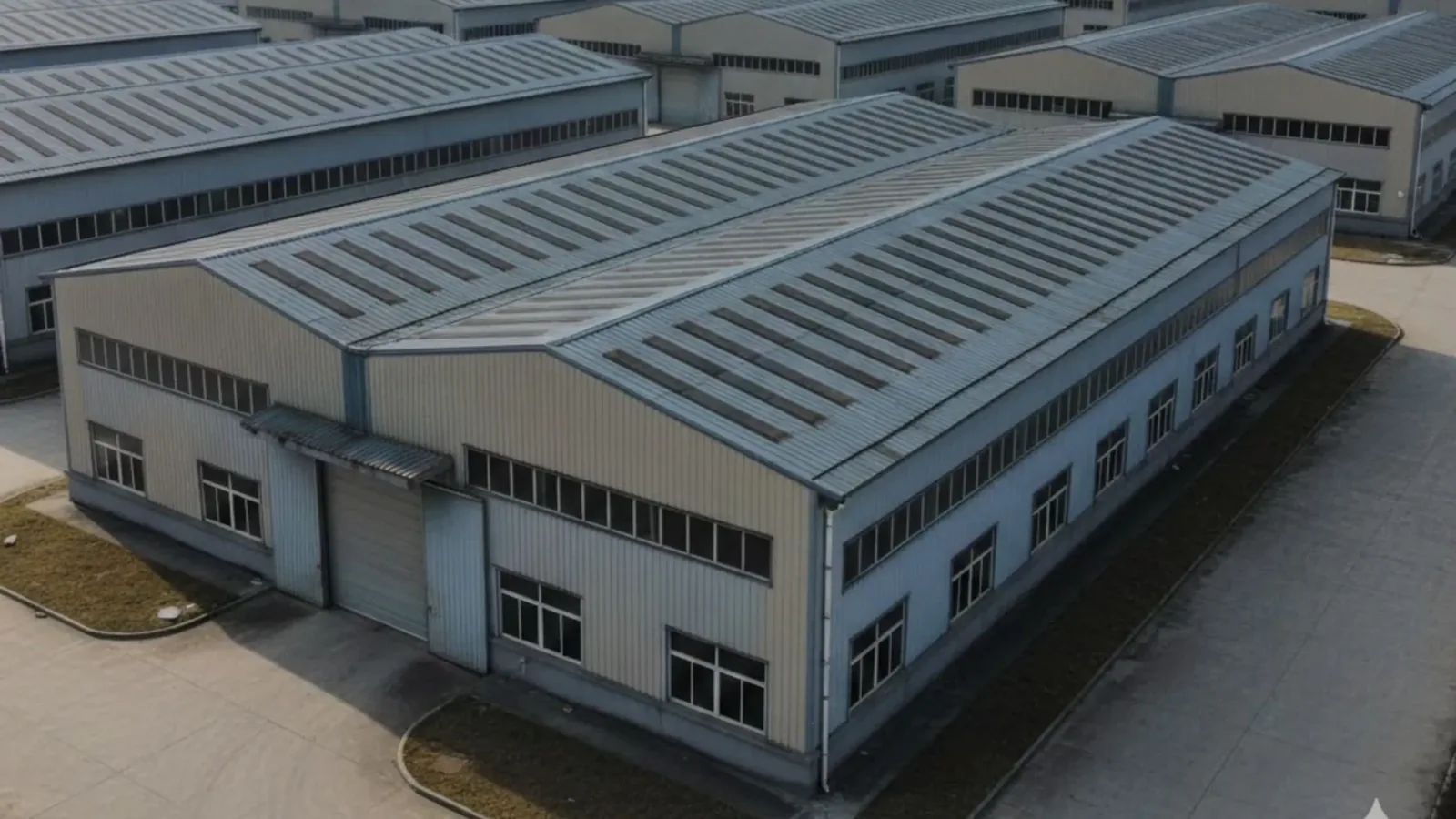
Process equipment can change roof conditions around an exhaust, curb, or service platform. We inspect those transitions alongside the field membrane, insulation, drains, and roof edge so the repair follows the actual assembly. In Anchorage, AK, recurring snowfall and freeze-thaw conditions also affect access and meltwater routing. The plant’s production schedule, equipment shutdown needs, and roof condition should be considered together before work is staged.
Anchorage planning preserves industrial land for production, construction, freight, and warehousing uses. The Ship Creek Industrial District is adjacent to rail yards and port-side operations. Those settings can affect deliveries. A commercial roof inspection can record the roof zones, known leaks, and work areas that need coordination.
Related Pages
Which process areas affect the roof?
Start with the equipment map. We identify exhaust points, make-up air, rooftop units, pipes, and curbs, then compare their locations with leaks or interior staining. Heat, vibration, service traffic, and changes to equipment can stress flashing or open a previously sealed penetration. We inspect the base of each curb and the membrane or metal around it, not only the visible equipment housing.
Plant operations can require permits, lockout coordination, or a shutdown window before a unit is moved. The roofing scope should say which trade disconnects equipment, who protects the opening, and when the roof detail will be restored. A penetration flashing repair can correct a failed transition once the unit and curb are safely accessible. We coordinate the work boundary with plant staff so production controls stay with the responsible team.
Process residue or exhaust can affect material compatibility. We inspect visible surface changes and confirm operating conditions with plant staff before choosing a repair material.
Where do heat and condensation reach the assembly?
Interior humidity and air leakage can move moisture toward a cold roof deck. We inspect vapor retarder continuity, insulation condition, roof penetrations, and signs of condensation near process areas. A wet spot below the roof may come from a plumbing or mechanical source, so we compare its timing with production changes and roof weather before choosing a test opening.
Anchorage winter temperatures and recurring snowfall make the roof assembly’s thermal layers important to inspect. If moisture is trapped above the deck, adding a new surface can leave it in place. We use visible evidence, moisture checks, and targeted openings to identify whether insulation is wet and how far it extends. Targeted tests can help prioritize the repair boundary when visual inspection is incomplete.
Repair boundaries should separate confirmed wet insulation from dry areas that remain serviceable. We record the roof zone, observed condition, and replacement limits for the facility team. Where a test opening is required, the production staff can identify nearby equipment or operations that need protection while the assembly is exposed.
Can the plant roof clear snowmelt?
We trace each roof section to its drain, scupper, or overflow and check the seams along that route. A drain may be clear while a low area still holds water because the roof profile has changed. Ice, debris, or a damaged bowl can add another restriction. We document the route and outlet together before deciding whether the issue is routine maintenance, a local repair, or a slope correction.
Snowfall and snow depth recur in Anchorage’s climate record. For this plant, we review snow-removal history and inspect after the surface can be accessed safely. Bent trim, scraped coating, or damaged drains may follow equipment movement, while a split membrane or blocked outlet needs its own repair.
A drain and scupper repair can restore an outlet that no longer discharges correctly. We also check for overflow protection so a blocked primary drain does not send water into an interior process area. Work planning should identify what the plant can keep operating while crews access the drain zone.
How should work fit the production schedule?
Roofing can be sequenced by production wing, equipment group, or drainage section, depending on access and the repair boundary. We confirm when a lift or crew can enter the yard, whether an area below must be cleared, and how the opening will be protected at the end of each shift. The schedule should account for weather and the time needed to close exposed insulation or deck.
A small leak can be stabilized before permanent work if production cannot pause. emergency roof repair can protect the interior while we prepare a permanent detail. For recurring failures, planned maintenance can revisit equipment curbs, seams, drain bowls, and prior repairs before a critical run period.
The Ship Creek Industrial District’s rail and port-side context can affect material arrival. We confirm this property’s gate, delivery, and storage rules. The sequence records which areas remain open and who controls each process shutdown.
When should the roof system change?
A local repair fits when the surrounding membrane, insulation, and deck remain sound. We remove failed material to a stable boundary and restore the seam, flashing, or metal connection with compatible products. Widespread wet insulation, repeated attachment failure, or corrosion may make a broader repair or replacement comparison more practical. The recommendation should distinguish visible conditions from areas that require confirmation after opening.
A low-slope roof may be evaluated for TPO roofing, while a metal assembly may need an attachment review. Owners can compare a warehouse roofing assessment when another building in the portfolio has different operating demands. A distribution center roof review may prioritize dock flow, while we inspect this plant’s deck, framing, drains, exhaust, and equipment movement before recommending a system. Any metal retrofit design must connect to verified structural support.
Compare shutdown windows, equipment work, and material staging. If replacement is needed, phase the work by production wing and close each section before crews move. Keep equipment drawings current so the next inspection can identify changed curbs.
What should the plant roof file preserve?
Keep roof plans, process equipment locations, exhaust changes, repair photos, test openings, and leak dates together. The record should identify the roof zone and the trade that altered a curb or penetration. That makes it easier to find the correct system detail during the next repair and keeps a new equipment installation from covering an unresolved roofing issue.
Airport Heights is a named Anchorage Bowl neighborhood. For a plant portfolio with buildings in several areas, we map each roof’s exhaust, drains, and access separately.
After repair, note the materials installed, weather conditions, and any item left for monitoring. Seasonal checks can revisit drains, curb flashings, edge metal, and areas affected by equipment service. A clear service record supports the facility’s maintenance plan and helps separate a local roof issue from a building-system source.
Commercial Roofing Questions
Can roof repairs occur without stopping production?
Some work can be isolated from active production, but equipment movement, open penetrations, or interior protection may require a controlled window. We coordinate the roof boundary with plant operations and the responsible mechanical trade. The sequence should state which areas remain active and when a shutdown is needed.
How do process exhaust systems affect roof inspections?
Exhaust creates penetrations and may expose nearby flashing or coating to heat and residue. We inspect the curb, attachment, surrounding membrane, and any visible surface change, then ask the facility team about operating conditions. Material choice follows the actual exposure and roof system.
How do we verify moisture beneath a plant roof?
Wet insulation should be mapped and evaluated before an overlay or replacement is planned. We use inspection findings and targeted openings to define affected areas, then explain which materials need removal. Covering wet layers can preserve a problem that the new surface will not correct.
What plant records should be ready before the inspection?
Provide the roof plan, equipment and exhaust layout, recent modifications, leak history, repair records, snow-removal notes, and access procedures. Those details help us inspect the relevant curbs and roof zones and coordinate the work with production staff.
Coordinate roof findings with plant operations
Share the roof plan, equipment and exhaust layout, leak timeline, repair history, production schedule, and access rules. We will inspect the roof assembly and affected details, then outline repair, maintenance, or replacement steps that fit the observed condition.
Request a roof assessment or call 555-555-5555.