Commercial Roofing in Midtown, Anchorage, AK
Overview
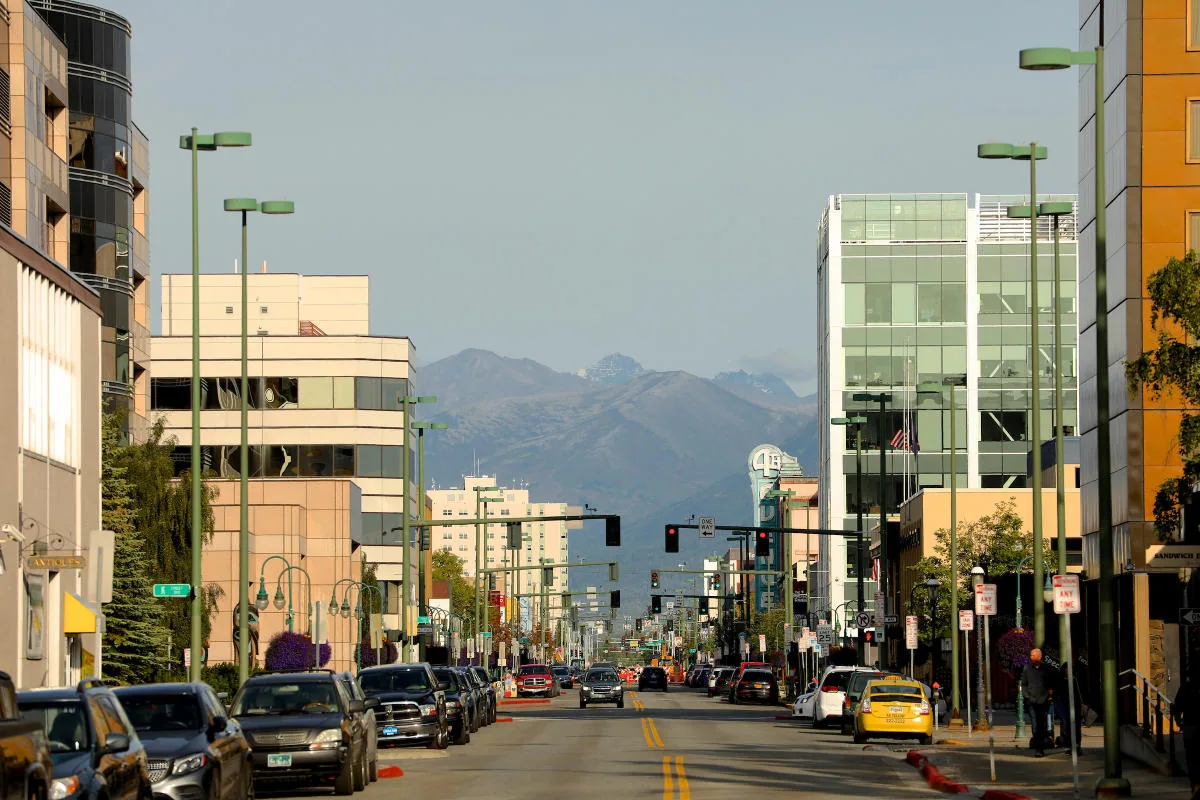
A roof plan that stops at one commercial block can miss the adjoining service lane, later addition, or drain route that matters to a leak. The Midtown District planning area includes Midtown and portions of Spenard and North Star, with a commercial core beside neighborhoods. Its planning work documents more than one business area and building type. We use that broad context to plan a visit, then verify the actual assembly, roof access, and water path at the property in front of us.
For a facility director, the first question is usually what changed: a stain after a thaw, a seam opening, a slow drain, or a repair that did not hold. We compare the report with the roof map and prior work, inspect accessible details, and separate confirmed damage from areas needing further testing. A commercial roof leak repair inspection can trace the symptom to a roof zone before materials are ordered.
Related Pages
What changes across Midtown’s commercial core?
Different building forms can place drains, parapets, and equipment curbs in different positions, even when two properties share a district. We do not assume a roof type from its address. On the first walk, we look for membrane markings, seam construction, edge restraint, patches, and transitions, then compare those observations with closeout drawings. A missing drawing does not prevent inspection, but the report should say which details were identified and which remain uncertain.
The Midtown planning effort identifies reinvestment opportunities in its commercial core and adjoining corridors. When a property is being renovated, roof changes can follow a new curb, exhaust route, or equipment pad. The facility manager should keep the roof contractor and other trades coordinated so a new opening does not cut through a finished membrane without an approved flashing detail. A Spenard corridor roof review can address nearby work, while North Star properties have a separate neighborhood context and their own access arrangements.
Which route should water take off the roof?
A drain should collect runoff from its roof area without a ridge of insulation, debris, or ice redirecting water toward a seam. We inspect the drain bowl, clamping ring, nearby membrane, overflow path, and any low point that holds water after precipitation. At a parapet, we check whether the flashing terminates securely and whether water can reach an outlet instead of backing up behind the wall. If the roof is covered, we identify the hidden detail for a later safe visit.
Anchorage’s winter record includes both snowfall and snow depth, and a temperature shift can change a roof’s drainage condition between visits. We log the date, visible snow cover, and any temporary blockage rather than claiming that a covered section is clear. Once access is safe, a membrane system review can confirm whether a field seam or flashing repair is compatible with what is installed. A seam failure assessment is more useful when it records the failure length, nearby repairs, and the water path together.
How should a visit fit a busy property schedule?
Midtown includes a commercial core adjoining residential areas, so deliveries, tenant hours, and roof entry can be different from one property to another. The owner sets the access rules. Before dispatch, we ask for the approved ladder or hatch, fall protection requirements, escort needs, loading limitations, and any work that must avoid a customer-facing entrance. That lets the inspection reach the reported roof zone without disrupting an active building more than necessary.
For repairs, staging and material movement may matter as much as the patch itself. We define the work area, protect occupied space below, and note whether another trade needs to move equipment first. If a repair cannot be completed in one visit because conditions are unsafe or the surface is hidden, the ticket records the temporary measure and return trigger. A seasonal maintenance visit can also check drains and roof edges before winter access narrows, rather than waiting for an interior leak to set the timing.
When does repeated repair justify a wider review?
A single patch is appropriate when the opening is isolated and surrounding membrane, insulation, and deck can support a sound repair. We remove loose material only within the approved scope, prepare the substrate, tie compatible material into sound surfaces, and probe the finished seam. The report shows the repair boundary and the roof area that was not opened. If moisture extends beyond that limit, the owner can decide whether to test further before authorizing more removal.
Several failures clustered along the same drain, curb, or perimeter may point to a detail that needs redesign or a larger section of membrane that has lost attachment. We compare the failure pattern with drainage, deck movement, and prior patch history. A replacement scope review can set tear-off limits, insulation options, and sequencing when local work no longer resolves the pattern. The decision is based on the actual roof, not the district’s redevelopment plans or an assumed age for neighboring buildings.
What should the Midtown service record show?
Keep the roof map, photographs, inspection notes, and repair ticket under the same roof-zone names. Each entry should identify the date, weather visibility, seam or transition examined, material used, and work that remains. If an equipment contractor changed a curb, record who authorized the opening and whether its flashing was inspected after the work. Those details allow a later crew to distinguish an old failure from a new penetration or a temporary cover. Where reinvestment touches a building, align the roof review with planned curb replacements, drainage changes, and insulation decisions before interior finishes are closed. Keep approved drawings and final photographs together; a later service call can then distinguish the current roof from work performed by a previous trade.
Midtown’s commercial core and adjoining corridors are part of a broader district, but one property’s access and assembly do not describe the next. A useful record carries the actual building plan forward if ownership or facility staff changes. Include known leak dates, the location of interior marks, snow-removal activity, and any area that could not be reached. The director can request a Downtown review for another central property, but each visit needs its own roof map, authorization, and repair boundary.
Commercial Roofing Questions
A new Midtown tenant reports a leak. Can we start with the room location?
Yes, the room and date help establish a starting zone, but water can travel before it reaches the ceiling. We compare the mark with the roof plan, drains, and prior repairs, then inspect the likely path from the exterior where access permits.
Does a planned renovation change the roof inspection?
It can. New equipment, exhaust, or curb work may change the membrane and flashing details. Send the renovation drawing and trade schedule so we can identify affected roof zones and document what must be protected or restored.
What if the Midtown roof is covered in snow during the appointment?
We inspect only areas that can be reached safely and mark hidden seams, outlets, and transitions for follow-up. The report records visibility limits and the conditions needed for a return, rather than treating covered details as confirmed.
Can you determine whether a patch failed without removing it?
A visual check and seam probe may show a loose edge or poor tie-in. If moisture is suspected below, selective testing can define the condition. We explain what the inspection confirms before recommending a larger removal area.
What should I send before requesting a replacement estimate?
Send the roof plan, known assembly information, repair history, leak dates, and any planned equipment changes. We use those records to identify access and sequencing questions, then compare the field condition with the proposed replacement limits.
Review a Midtown roof zone
Share the roof plan, reported leak locations, prior repairs, renovation schedule, and roof-entry rules. We will inspect the accessible details, document what remains hidden, and outline a repair or replacement scope tied to the building.
Request a roof assessment or call 555-555-5555.