What a useful condition record contains
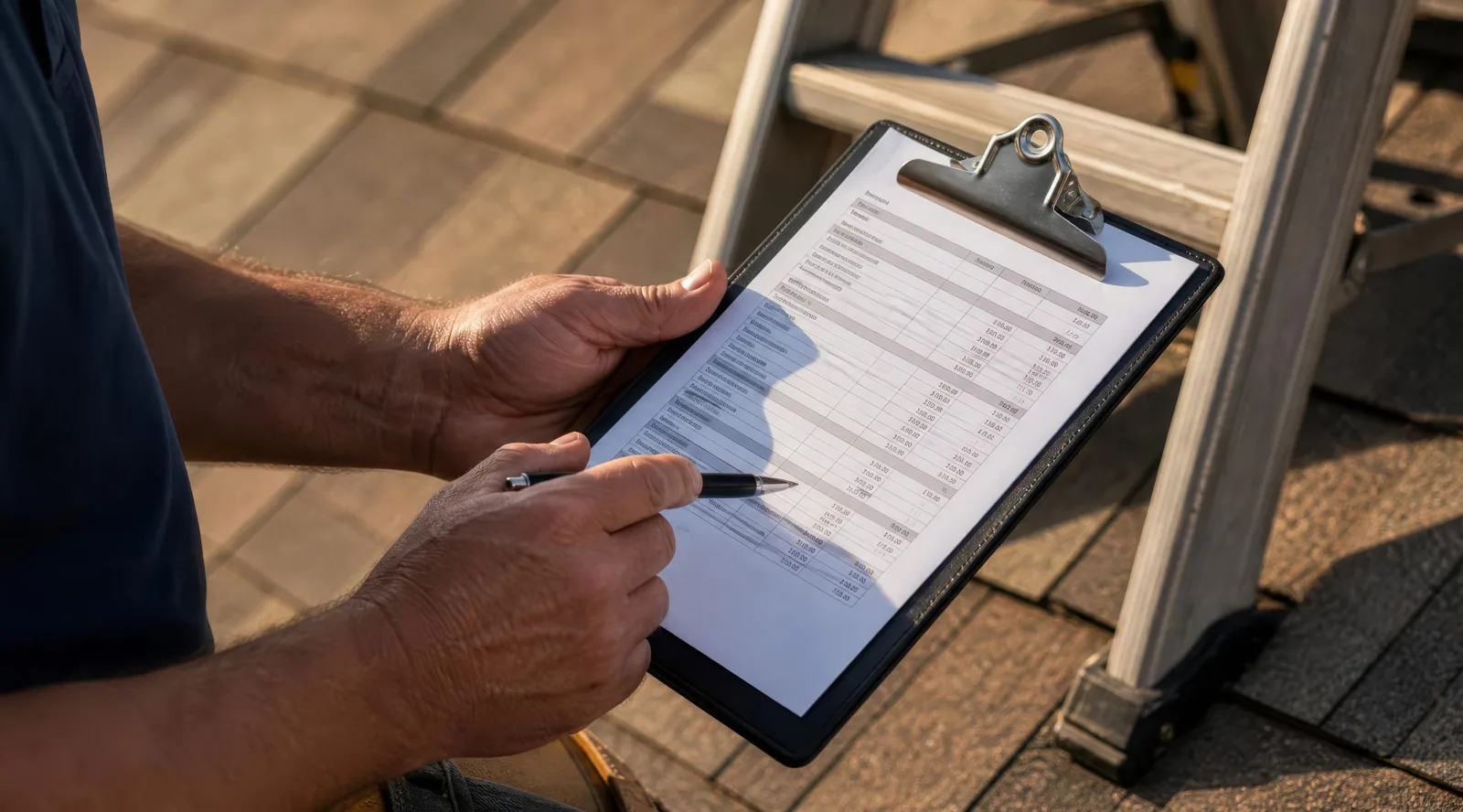
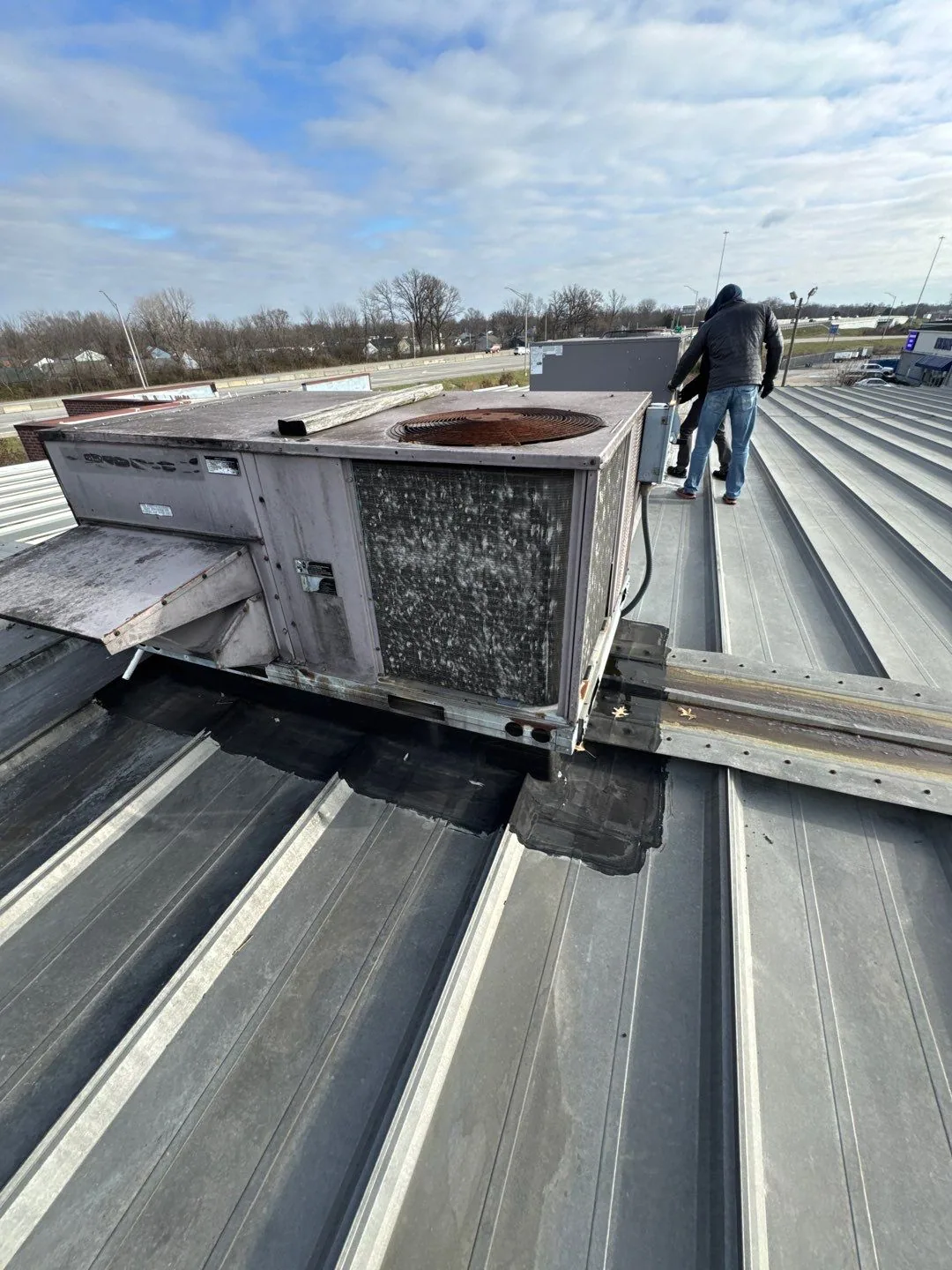
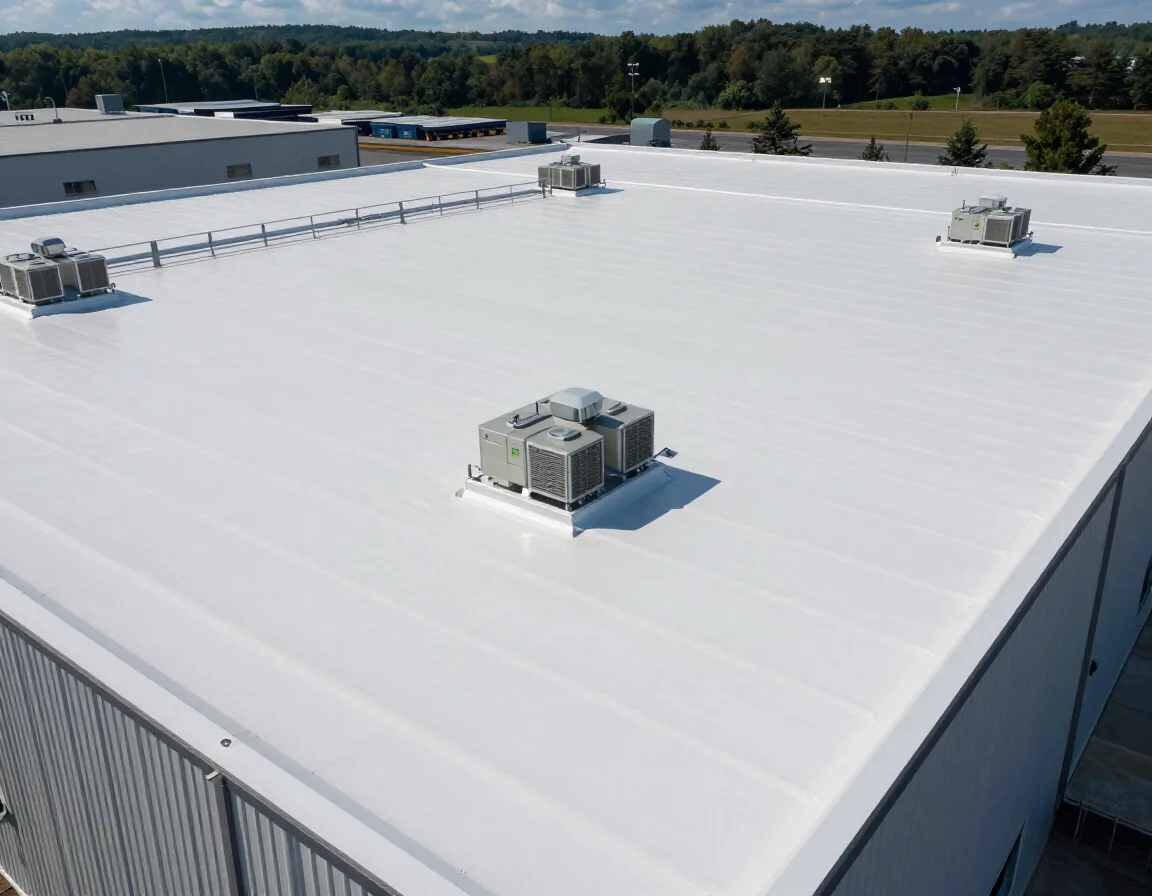
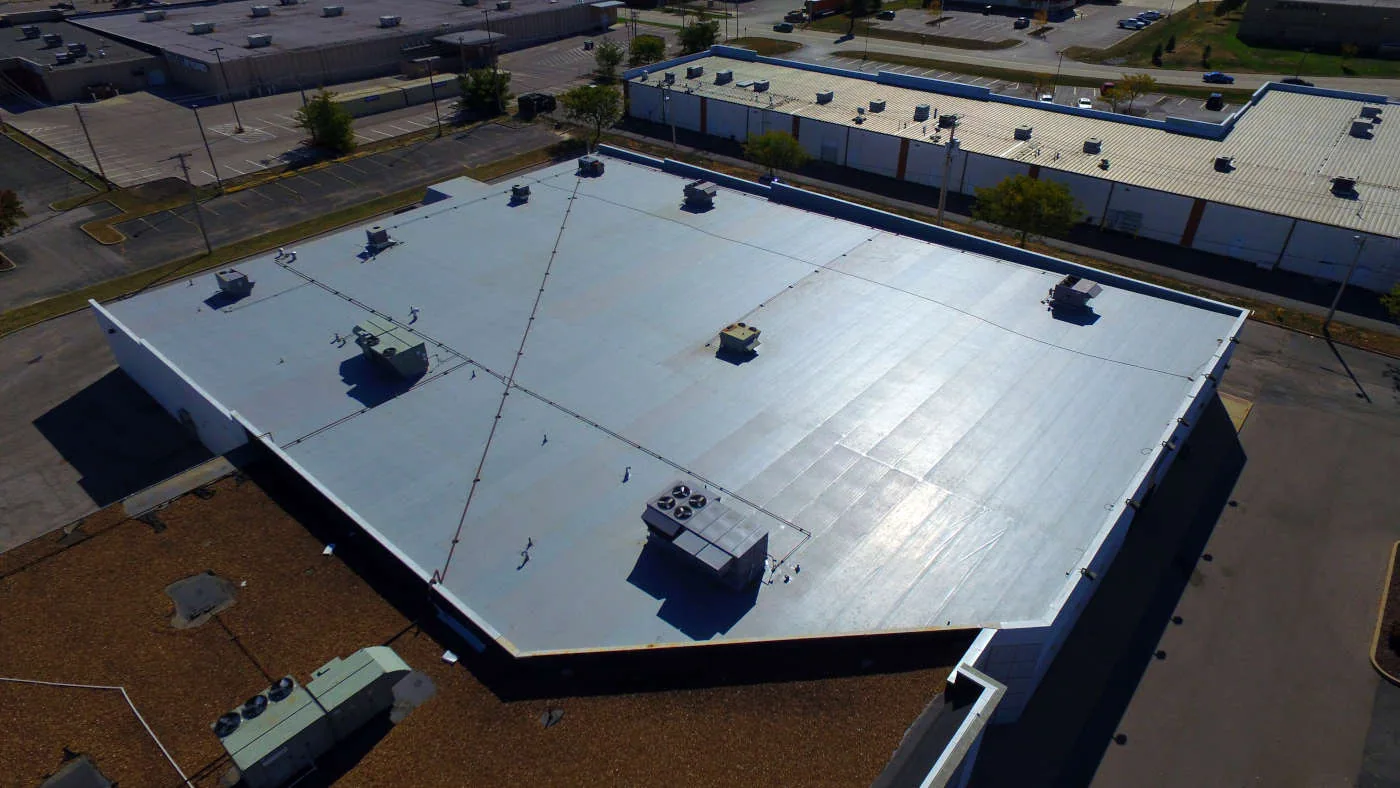
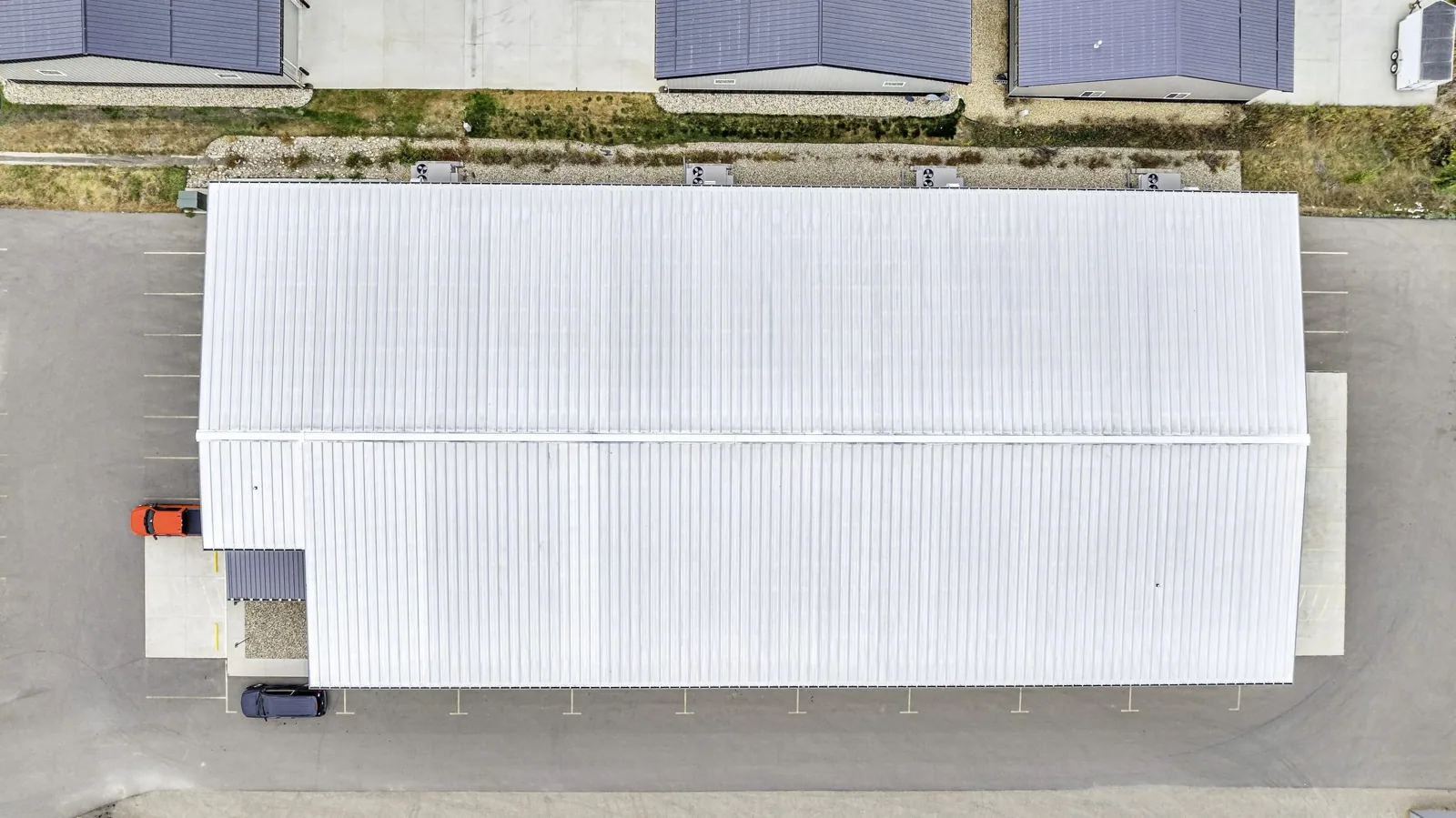
A condition report is strongest when observations and recommendations stay separate. The photo shows the seam or drain; the note explains why it matters; the action names the repair limit and any follow-up. roof condition reports help facility staff route approved work, while roof asset management can organize repeated inspections by roof zone. When concealed moisture is suspected, the report can identify where selective testing would answer the owner’s question before a larger scope is authorized.
How one finding becomes a work order
Capital planning compares work by condition, consequence, access, and timing rather than a single age label. A capital planning for roofs review can sort urgent water control from repairs that can be scheduled and from replacement planning that needs design or procurement. For a buyer assessing a property, warranty management may establish accessible observations and open questions. We do not turn a field view into a life-expectancy promise; the useful output is a defensible scope and next decision.
Which decisions can wait for verification
A maintenance record should help the next visit start where the last one ended. We track repairs, recurring drainage concerns, membrane transitions, and areas that could not be inspected. due diligence roof surveys keeps follow-up tied to specific items; multi-site roof programs can apply consistent reporting across sites while preserving their differences. Winter access and snow-removal history matter when they affect safe entry or hide roof details, and those constraints belong in the record.
How planning supports the next season
Anchorage planning also needs a realistic work sequence. We consider access routes, occupied spaces, equipment, material staging, weather, and the facility’s blackout periods before setting inspection or repair scope. A preventive maintenance plan can set check intervals for exposed edges, drainage, and repaired zones. The owner can provide the roof plan, leak dates, prior work, and the date a decision is due. Our Anchorage service coverage support commercial facilities across the city.
Commercial Roofing Questions
What does a roof condition report include?
It records accessible roof zones, dated photographs, observed defects, drainage and flashing conditions, repair limits, and follow-up needs. Recommendations are tied to the evidence and identify what still requires verification.
Can the report estimate remaining roof life?
A visual inspection cannot establish a precise lifespan. We can describe observed condition, known repairs, assembly details, and factors that affect timing, then identify testing or design work needed for a stronger decision.
How should a portfolio manager compare buildings?
Use a consistent zone map, condition labels, photo format, and action categories. Keep notes on assembly, access, occupancy, and drainage so a shared dashboard does not flatten important building differences.
What records help before a capital review?
Gather roof plans, prior scopes, leak dates, maintenance logs, warranty paperwork, and open bids. We compare those records with field observations and separate near-term repairs from longer-range planning.