Commercial Roof Due Diligence Surveys in Anchorage, AK
Overview
A transaction team needs to know what a roof survey did and did not establish before it carries a condition assumption into the deal file. We review the available roof plan, maintenance records, leak history, and accessible surfaces, then map visible findings to the buildings included in the assignment. In Anchorage, snow cover or winter access can limit the survey, so the report states what remained unseen. It supports a roofing discussion; it does not replace structural, environmental, legal, or financial review.
Related Pages
Which records should be requested first?
Request the roof plan, installation and repair information if available, warranty documents, service reports, open leak tickets, and any owner-approved access rules. Confirm which buildings and roof zones are within scope. A written roof condition report can attach current photographs and observations to those records, while a roof asset record can show how the current file compares with earlier work.
Missing documents are findings about the file, not proof of a roof defect. Mark which assembly details remain unconfirmed and what would resolve the gap. If records use a prior building name or roof-zone label, reconcile that with the current plan before inspection. This keeps a seller’s work history, the buyer’s questions, and the field observations tied to the same property without silently merging separate buildings.
What can a visual survey confirm?
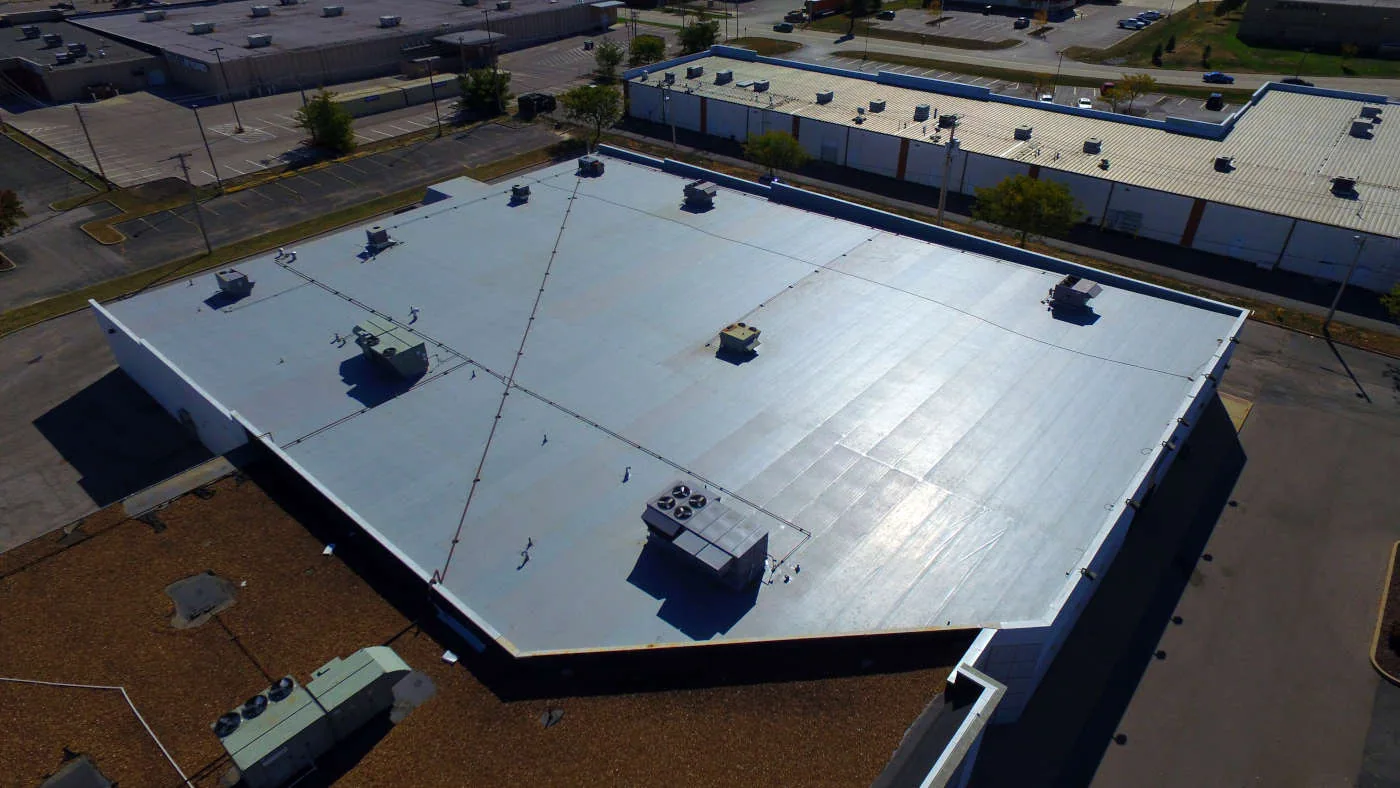
A visual visit can document accessible membrane, seams, flashings, drains, edges, penetrations, rooftop equipment, and visible maintenance conditions. It can identify an active symptom, a repair boundary, or a location that deserves further testing. A commercial roof inspection should state the date, weather, access, method, and zones reviewed. It should not imply that concealed insulation or deck was opened when the assignment did not include that work.
For a property near Downtown Anchorage or the Ship Creek Industrial District, the public service description uses broad district context. The transaction survey should use the owner-provided site plan and private building identifiers. Do not infer a roof’s age or system from its neighborhood, use, or appearance. A clear report distinguishes direct observation from information supplied by the seller or facility staff.
How are survey limits documented?
List every area that was locked, covered, blocked by equipment, or unsafe to reach, then say what follow-up would be required. Snow and ice may obscure seams and drains during a winter visit. Anchorage climate normals include snowfall and snow-depth measures, which helps explain why the survey records season and visibility; it does not reveal a particular roof’s current condition. A moisture survey may help address a defined question when the assembly and conditions are suitable.
Do not turn a thermal pattern, interior stain, or seller statement into a confirmed roof failure without supporting evidence. Keep reported symptoms separate from roof observations and identify the next inspection or test that could reduce uncertainty. The buyer can then decide whether to request access, a destructive test, engineering review, or a scoped repair proposal before the transaction proceeds.
Which findings deserve transaction attention?
Flag conditions that may affect near-term building protection, access, occupied space, equipment, or a planned project. Describe the roof zone and visible extent, then explain whether the next step is repair, monitoring, or more investigation. A drainage review may address standing water; it is distinct from a confirmed opening that needs a patch. This distinction keeps a transaction summary from treating every roof question as the same risk.
Where an urgent symptom is present, note the interim protection and who approved it. Identify any warranty notice or owner authorization still pending. Do not estimate a remaining roof life from a visual walk or promise a future performance date. A buyer can use the documented condition, access, and open items to ask for a specific decision from the parties responsible for the transaction.
How should near-term cost questions be framed?
Describe scope drivers rather than inventing a price: roof area included, access, staging, protection, tear-off, disposal, substrate uncertainty, testing, and work-hour limits. A roof capital plan can separate immediate repair from a later restoration or replacement question. If a larger scope is under consideration, a replacement assessment should state its assumptions and exclusions.
Anchorage is Alaska’s primary goods-distribution center, supported by marine, rail, road, and air transportation. That regional role makes continuity and delivery coordination relevant for some commercial operations, but it says nothing about the assembly or loading at a specific building. Use the owner’s operating calendar, access instructions, and roof records to establish project timing instead of projecting regional facts onto the asset.
What should the final transaction handoff contain?
Deliver the roof map, dated images, findings, limitations, records reviewed, and open questions in one organized file. Identify which items are observations, which came from another party, and which require a qualified professional. A real estate investment roof review can help connect field evidence to portfolio decisions, while legal and financial terms remain with the transaction team.
Include the inspection contact, access constraints, and recommended return conditions so the next visit does not repeat the same access problem. Keep site-specific security details in the owner-controlled record. The transaction team should provide its roof drawing, maintenance and repair records, water-entry chronology, access protocol, and winter clearing log before the survey is scoped. The report should be useful to the buyer, seller, and facilities team without representing that any party has accepted a repair or price.
How can a buyer prepare for follow-up?
Prioritize the next request by what can change the decision: access to a hidden zone, confirmation of assembly, a drain test, or an owner-authorized repair scope. Keep each question assigned to the party who can answer it. Downtown Anchorage and Ship Creek are broad service-area references, not substitutes for an address, roof plan, or building access contact.
Anchorage 2040 directs higher-intensity mixed use toward mapped centers and corridors. For an acquired asset near those commercial areas, the property team can coordinate roofing work with tenant schedules, mechanical service, and other planned improvements. No district designation establishes a building’s roof condition. A due diligence survey gives the team a dated starting point and a list of next actions, so the roof decision follows evidence rather than an assumption carried forward from a transaction summary.
During a transaction, confirm who can authorize roof access and whether the seller or buyer holds the current work records. Arrange a return visit before the handoff if a covered zone or unanswered leak report could change the scope. A facilities contact can identify operating hours, security check-in, tenant coordination, and mechanical shutdown rules. Keep those instructions with the private work order rather than the public service description. The Downtown Anchorage service area is a broad coverage reference; verify the actual property and access route with its authorized contact. Record any new document supplied after the survey so the report can distinguish what was available on the inspection date from later information.
Commercial Roofing Questions
Does a roof survey estimate remaining service life?
It documents visible condition and relevant records. A service-life conclusion requires a defined basis and should not be inferred from a visual visit alone.
Can the survey include several buildings?
Yes, when the assignment identifies each building and roof zone. Keep findings separate so one property’s condition is not applied to another.
What if snow blocks parts of the roof?
List the covered areas and the return conditions needed for review. The report should not imply those zones were inspected.
Can the report set a repair price for the deal?
A survey can identify scope drivers and recommended next steps. A priced proposal needs a defined scope, access plan, and owner authorization.
Scope a transaction roof survey
Provide the roof plan, transaction buildings, leak timeline, prior repairs, access restrictions, and snow-removal history. We can define what a visual survey can confirm and what requires follow-up.
Request a roof assessment or call 555-555-5555.