
Warehouse Roofing in Anchorage, AK
Overview
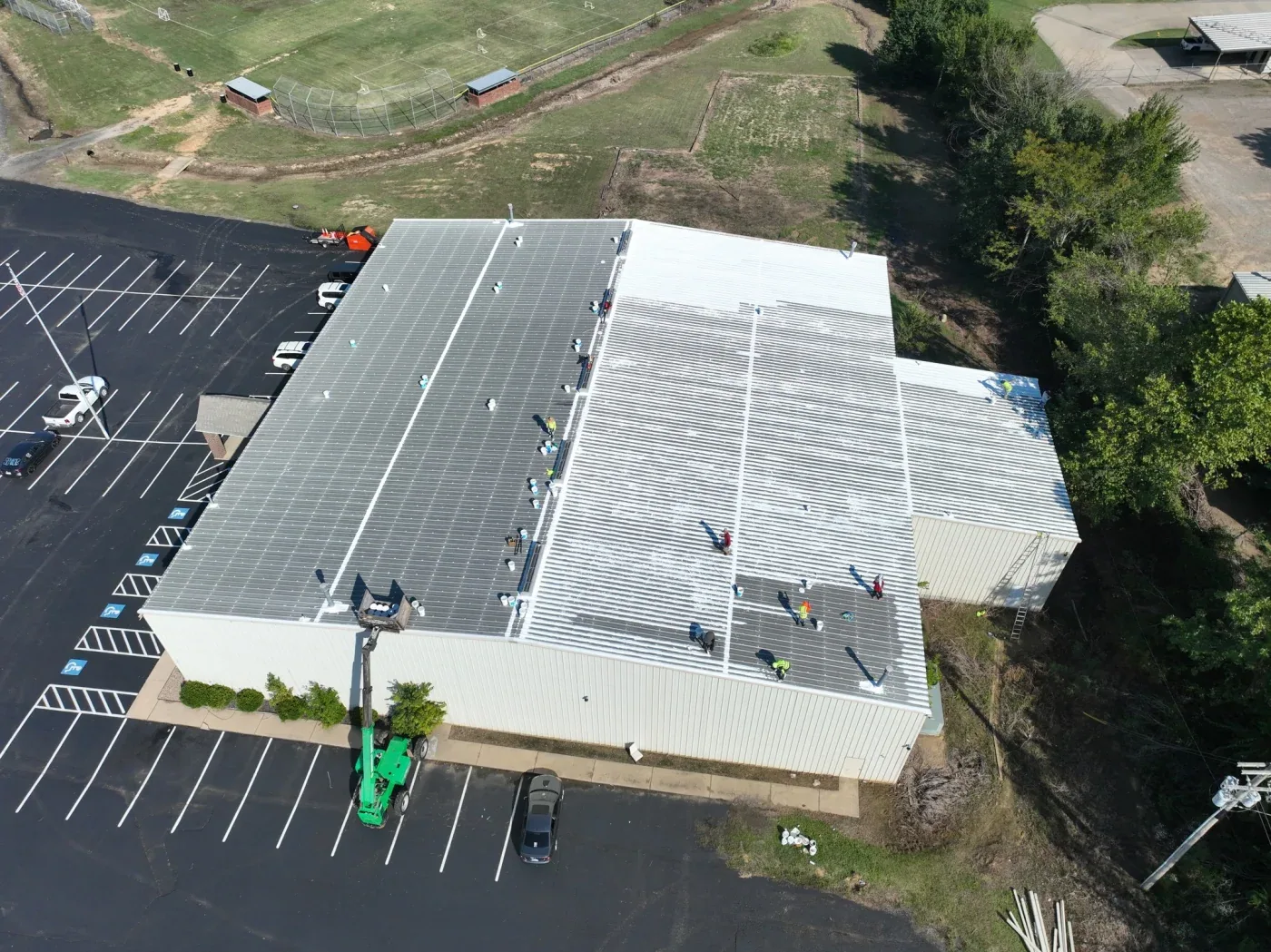
A warehouse leak can threaten stored materials long before water reaches a loading aisle. We inspect the roof above the affected bay, then trace drains, seams, penetrations, and edges that could carry water toward the interior. In Anchorage, AK, snowfall and winter cold make drainage and safe roof access part of the plan. The roof’s actual membrane, metal, insulation, and deck determine whether a local repair, maintenance visit, or broader replacement is suitable.
Ship Creek’s industrial district sits near railroad yards and port-side activity, where loading schedules and material movement can affect staging. We confirm the facility’s operations before placing lifts or closing a route. A commercial roof inspection can map the roof zones, note active leaks, and give the warehouse team a clear repair boundary.
Related Pages
Where does snowmelt leave the roof?
Water needs a continuous path from each roof section to its drain or scupper. We inspect drain bowls, overflow outlets, interior leaders, and the low areas that feed them. Debris, ice, or a crushed line can slow the route and keep water against a seam. On a warehouse roof, a blocked outlet may affect a large storage bay, so we note its location and the interior area below it.
Long-run climate records for Anchorage include recurring snowfall and snow-depth observations, useful context for inspection after snow cover clears. That recurring winter context makes it useful to check outlets after snow cover no longer hides the roof surface. We do not treat snow or ice by itself as proof of a leak. We look for a matching interior symptom, split flashing, open lap, or wet insulation that confirms a water path.
If ponding follows a roof depression, clearing the drain may not be enough. We check whether the membrane is sound, the deck has moved, or a prior repair changed the slope. A drain and scupper service can restore a blocked outlet, while profile correction may be needed when the water has no route to the drain.
Which warehouse roof zones need close review?
Large roofs contain different conditions at the field, perimeter, equipment rows, and loading areas. We inspect membrane seams, metal panel connections, roof edges, curbs, skylights, and penetrations separately. A small opening at a curb can send water across insulation before it appears inside, so we compare the roof map with leak dates and ceiling locations. We also note footpaths where repeated service visits may wear the surface.
Equipment changes often leave abandoned fasteners, conduit supports, or patches around curbs. We check whether each transition sheds water and whether the flashing remains attached. A penetration flashing repair can correct a failed curb or roof opening before the damage spreads. Where the membrane has repeated splits, we mark the affected runs and determine whether a localized seam repair will hold or whether a larger section needs renewal.
Anchorage planning preserves industrial land for production, distribution, repair, construction, and warehousing. In the Ship Creek Industrial District, rail and port-side activity can make delivery and lift coordination important. That land-use context does not tell us the roof’s age or design; it helps us ask the right questions about operating hours, dock access, and material staging before work is scheduled.
How can repairs protect warehouse activity?
Repairs should keep the receiving schedule and interior inventory in view. We identify the affected bay, expected work area, equipment route, and any aisle or dock that could be restricted. If a leak is active, temporary protection may be needed while the permanent repair is prepared. We mark what the crew will open and how the area below will be protected before material is removed.
Cold-weather work can limit which materials can be applied and how a roof is safely accessed. We check the product requirements, substrate condition, and weather window before committing to an installation date. Snow removal or temporary access equipment may affect the work sequence. The facility’s snow-removal history can help identify areas where repeated scraping may have damaged membrane, drains, or edge details.
When the building remains in use, scheduling also needs to account for exhaust, rooftop equipment, and deliveries. A preventive maintenance visit can clear debris, inspect known repair areas, and record changes before the next weather cycle. The service record should identify the roof section and observed condition so a later technician can compare the same location.
When does a warehouse need repair or replacement?
A local repair fits when the surrounding membrane, insulation, and deck are stable. We remove failed material to a sound edge, dry or replace affected components, and restore the seam or flashing with compatible products. If water has reached insulation, the wet area may extend beyond the visible stain. We use inspection and test openings to define how much material needs removal rather than treating the ceiling mark as the repair boundary.
Repeated leaks, widespread wet insulation, loose attachment, or deteriorated metal can change the decision. A TPO system may be considered for a low-slope replacement, but the existing roof, deck, drainage, and project requirements determine what system fits. A distribution center roof plan may raise different staging questions when dock operations are continuous; the same roof engineering checks still apply to a warehouse.
Snow and ice damage should be inspected before a patch is selected. A snow and ice damage assessment can document displaced trim, punctures, or damaged drainage after removal activity. For broader assembly failure, we compare repair, recover, and replacement scopes with the expected disruption and concealed-condition risks.
What belongs in the warehouse roof record?
Keep a roof plan, leak locations, repair photos, coating or membrane details, drain maintenance, and dates of rooftop equipment work together. Those records help us distinguish a new opening from an older repair and avoid repeating work on a detail that has already failed. A manufacturing plant roofing review may emphasize process equipment and exhaust; the warehouse file should focus on storage zones, loading operations, and the roof’s actual assembly.
Anchorage’s rail yard links freight to road, marine, and air movement, giving facilities more than one regional route for incoming goods. For facilities near Ship Creek, delivery and staging conditions may make a short, well-defined work zone easier to coordinate. A warehouse operator with other Anchorage assets should keep their maintenance records distinct; Downtown Anchorage is planned as a mixed-use City Center, with commercial, office, residential, and public uses. We still base the warehouse scope on its dock layout, access rules, and roof condition.
After a repair, record the material used, boundaries, weather, and any areas left for follow-up. Seasonal inspection should revisit drain bowls, seams, roof edges, and previous openings. That record gives the facility team a practical starting point for maintenance and future capital planning.
Commercial Roofing Questions
Can a warehouse leak be repaired from the inside?
Interior protection can limit damage to stored goods, but it does not close the roof opening. We inspect above the affected bay, trace the water path, and repair the membrane, flashing, or drain condition that allowed water inside. The interior team can then monitor the same area after the repair.
Does snow on the roof mean the warehouse structure is overloaded?
Snow cover alone does not establish structural capacity or distress. We inspect the roof using the building’s access and safety plan and review any known structural concerns with the facility team. Visible deflection, unusual sounds, or interior movement should be escalated through the owner’s structural process.
How should roof work be planned around loading docks?
We confirm truck windows, lift locations, dock routes, and the interior bay below the work area before scheduling. Material delivery and roof access can be phased to keep a clear path for receiving. The facility should identify any restricted area or product that needs extra protection.
When is a warehouse roof replacement worth comparing?
Compare it when leaks recur across several zones, insulation is wet, attachment is failing, or repairs no longer restore a stable assembly. We document the visible condition and test openings, then explain what replacement would involve alongside repair or recover options.
Map the leak above the affected bay
Share the roof plan, leak dates, inventory concerns, loading schedule, drain history, and access rules. We will inspect the roof zones and water path, then show the repair or replacement scope supported by the observed assembly.
Request a roof assessment or call 555-555-5555.