
Snow and Ice Roof Damage Repair in Anchorage, AK
Overview
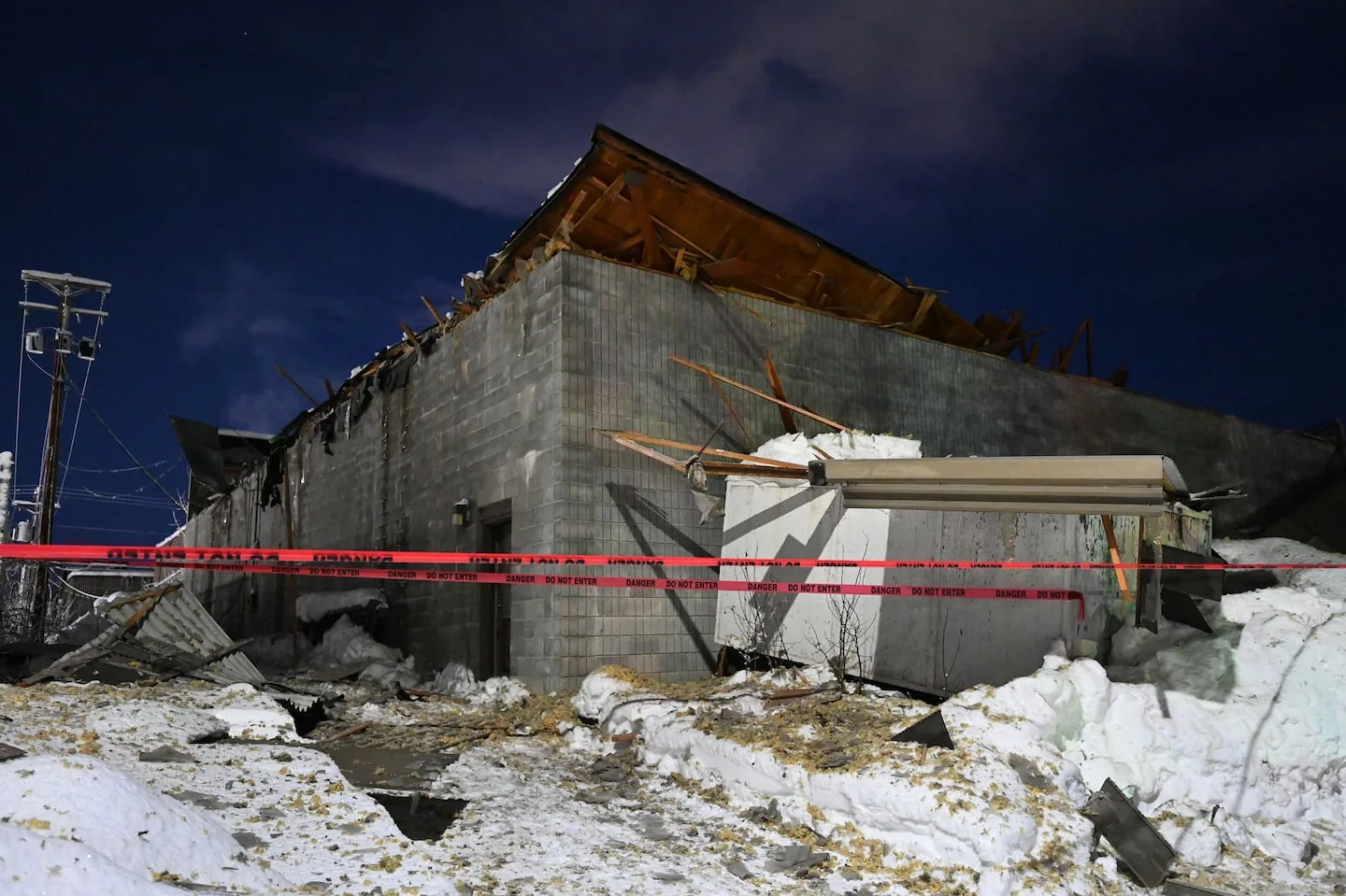
Snow or ice on a commercial roof can hide drainage paths, membrane details, and earlier damage. A safe inspection records what can be seen, what is covered, and whether interior symptoms appeared during accumulation or thaw. It does not estimate structural capacity or authorize snow removal. Anchorage climate normals include snowfall and snow-depth measures, so roof records should capture seasonal conditions and access limits. If movement, unusual sounds, or structural distress is reported, the owner should restrict access and obtain qualified engineering review before roofing work.
Related Pages
What should happen before anyone accesses the roof?
Confirm the owner’s access rules, current weather, surface condition, edge protection, and any engineer or authority restrictions. Snow and ice can conceal openings and make travel hazardous. Do not send untrained staff onto the roof or ask a crew to remove snow without an approved plan. A roof inspection begins with the permitted zone and records any area that cannot be approached safely.
If the building reports deflection, unusual noises, sticking doors, or other signs of distress, stop roofing access and contact the responsible engineer or emergency authority. A roofing contractor should not infer load capacity from an exterior view. Facilities staff can secure the area below through their procedures and preserve observations such as timing, location, and recent weather.
How should accumulation and symptoms be documented?
Record the date, approximate accumulation condition using the owner’s approved method, roof zones covered, and locations of observed meltwater or ice. Note interior symptoms separately, with room and time. National Weather Service normals for Anchorage include snowfall and snow-depth measures; this provides seasonal context, not a measurement of the building’s current load.
Use photographs from safe locations and identify the viewpoint. Do not climb onto a covered surface to place a scale or estimate depth. If the owner or engineer supplies measured data, retain its source and method. Distinguish reported conditions from direct observations and do not convert regional climate information into a property-specific load conclusion.
What drainage details matter during thaw?
When safe and visible, inspect drains, scuppers, overflow paths, and low points for obstruction or ice. Observe where meltwater flows and whether a backed-up outlet coincides with interior symptoms. A drain and scupper service can document accessible components within approved access conditions.
Do not chip ice from a drain, use heat, or redirect water without an authorized method. Sudden melt can move water beneath snow and expose a leak path at seams, penetrations, or walls. If a component remains covered, mark it for reinspection after safe conditions return. Any concealed piping concern may require a separate trade and should not be included as confirmed roofing damage.
How can snow conceal roof membrane damage?
Snow may cover seams, punctures, flashing, and prior repairs, while foot traffic or equipment can damage a membrane after the surface clears. Inspect the assembly only when access is permitted and the surface can be evaluated safely. A seam repair assessment or puncture inspection can address a confirmed detail.
Do not infer a defect from an interior stain alone. Trace the reported timing and room against accessible roof features, then state where snow or ice limited the review. Avoid walking through uncertain zones or moving snow to expose a suspected area without approval. If water is active, coordinate interior protection with the owner while waiting for an appropriate exterior inspection window.
Should snow or ice be removed by the roofer?
Snow removal is a distinct, safety-sensitive scope. It should proceed only under owner authorization and a plan prepared with the qualified parties responsible for structural and worker safety. The plan should define access, equipment, sequencing, edge controls, where snow may be placed, and protection of roof components. A roof repair visit is not permission to remove accumulated snow.
Improvised shoveling or scraping can damage membranes, block drains, create falling-snow hazards, or concentrate remaining material. Do not use a universal depth threshold as a substitute for building-specific engineering. If no approved removal plan exists, document the condition from a safe location, keep people clear as directed by the owner, and request qualified guidance.
How are repairs scheduled after snow or ice damage?
Once the area is released and visible, map each confirmed opening, displaced detail, or damaged component. Identify the roof system and compatible method, then define temporary protection and permanent work limits. A temporary emergency response may be considered when safe and authorized, with a return date for permanent repair.
A repair scope should account for surface moisture, temperature, and product requirements. If the substrate is wet or frozen, work may need to wait or follow the manufacturer’s approved process. Document hidden conditions and obtain written approval before expanding the opening. Do not promise that one repair resolves all interior moisture when multiple sources or travel paths remain possible.
What belongs in a seasonal roof follow-up?
Retain the weather record, access restriction, covered zones, drainage observations, interior reports, temporary actions, and the planned return condition. Compare photographs after similar seasonal events when possible. A maintenance visit can recheck drains and details after the roof is safely accessible. Related records may include Anchorage service-area coverage.
Anchorage 2040 identifies Downtown as the municipality’s City Center, and the Midtown District plan covers a commercial core with nearby neighborhoods. These broad geographies support public service-area context only; they do not identify any customer site. A useful owner record assigns the next inspection, the person who will confirm safe access, and any engineering or manufacturer question still open.
A later inspection should compare the newly exposed surface with the first safe observations. Mark which drains, seams, or transitions were hidden at the earlier visit, and state whether each was later checked. If a qualified engineer gave access or loading instructions, attach the current direction to the work order and confirm that conditions have not changed before mobilizing. Do not carry over a prior season’s assumption when roof access, snow cover, or interior symptoms differ. For properties in Anchorage’s Downtown, Midtown, or Spenard districts, the same documentation process applies; district names describe service geography, not a roof condition or structural finding.
For deferred work, confirm what change in conditions permits a return rather than using a calendar date alone. The trigger might be an owner release, cleared access route, exposed drain, or engineer direction, depending on the specific limitation. Keep temporary measures visible and assign a person to check them from a safe location. A follow-up report should say whether the previously covered area was actually inspected or remains outside the scope. This prevents an incomplete winter observation from becoming an implied all-clear in the building file.
The facilities contact can also log service calls that coincide with a melt period, including room, time, and whether the roof was accessible. Those records help compare later observations without treating seasonal timing as proof of a roof defect. Keep any engineering instructions with the roof plan so a future crew can verify them before entry.
Commercial Roofing Questions
Can you tell from a photo whether the roof can hold snow?
No. A photo and regional climate information do not establish a building’s structural capacity. The owner should obtain qualified engineering review.
Should maintenance staff clear roof drains during a storm?
Only under an owner-approved safe access and work plan. Ice and snow can hide hazards and create fall risks.
Can a roofer remove snow as part of a leak repair?
Snow removal is a separate scope requiring authorization and appropriate safety and structural planning.
When can hidden damage be inspected?
After the roof is released, access is safe, and the surface can be evaluated without disturbing a restricted area.
Plan a safe post-season roof review
Provide the roof plan, timing of accumulation or thaw, interior reports, access restrictions, and any engineering direction. We can document visible roofing conditions when the area is released.
Request a roof assessment or call 555-555-5555.