
Spray Polyurethane Foam Roofing in Anchorage, AK
Overview
A spray polyurethane foam roof can lose protection where the top coating wears through. The foam below may still be dry, or a split may already let water into the assembly. In Anchorage, AK, recurring snowfall and subfreezing winter temperatures make drainage and seasonal inspection part of the system review. We check the coating, foam profile, seams, penetrations, and outlets before deciding whether to patch, recoat, or remove the SPF.
The Ship Creek Industrial District sits beside rail yards and port-side industrial activity, while Downtown Anchorage serves as a mixed-use civic and employment center. Those settings can affect access and scheduling, but neither tells us what is under a particular coating. We inspect the roof itself and document the conditions that drive the scope. A commercial roof inspection can map the areas that need closer review.
Related Pages
What condition is the protective coating in?
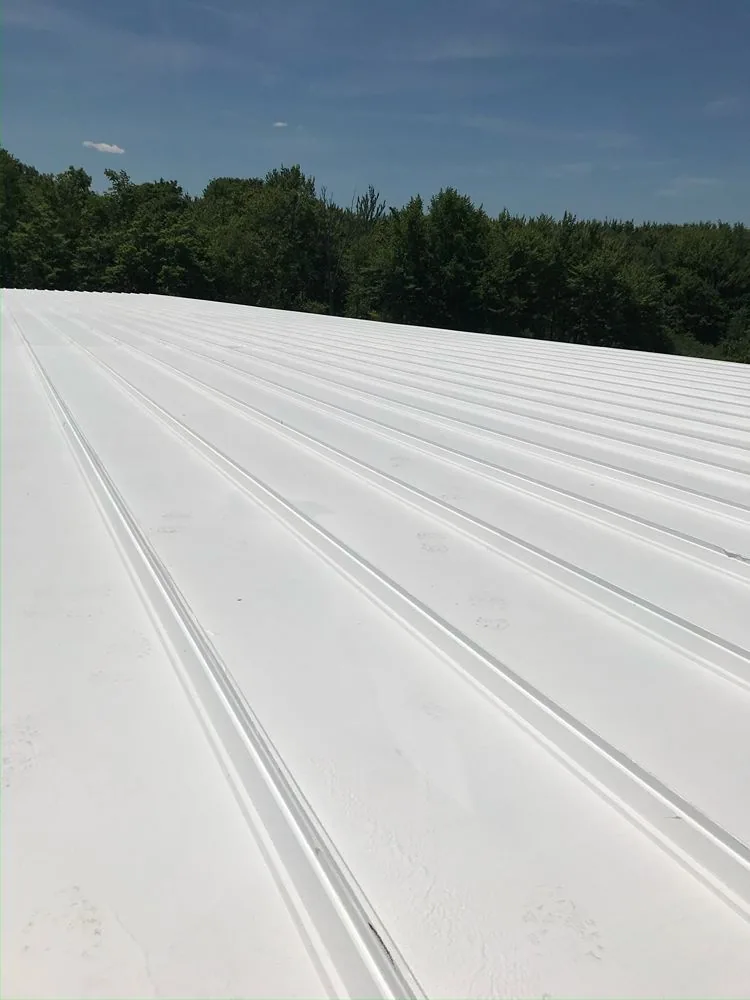
Uncovered foam needs a continuous coating to protect it from sun and weather. We look for thin or worn areas, open splits, blisters, peeling, chalking, and repairs that have lost adhesion. Foot traffic around equipment can wear the surface faster than the field, while ponding can keep a coating under stress. A worn spot does not tell us whether the foam below is wet, so we check the substrate before selecting a repair.
Coating thickness and continuity matter at seams, curbs, drains, and roof edges. We compare the exposed foam with nearby protected areas and inspect where prior patches meet the original surface. If the coating has separated from the foam, applying a new layer over loose material will not restore the bond. We remove unsound coating, prepare the surface, and use compatible materials to rebuild the protective layer.
Alaska climate normals track snowfall and snow depth over a recurring period. For an SPF roof, winter observation should focus on whether meltwater can reach drains and whether ice is collecting at transitions. We note where snow obscures the coating and schedule close inspection when the surface is accessible.
Has the foam profile changed?
SPF is applied as a liquid that expands into a continuous insulating surface. Its profile should shed water toward drains instead of leaving isolated bowls. We inspect for cracks, depressions, ridges, exposed foam, and soft spots that may indicate moisture or a loss of adhesion. Changes around equipment bases can also point to movement or a patch that did not follow the original contour.
A cut or test opening can help confirm what a visual inspection cannot. We choose locations based on coating defects, interior water reports, and low areas rather than making random openings. The exposed foam should be assessed for moisture, bond, and condition of the deck below. If the foam is dry and firmly attached, a localized repair may be feasible. If it is wet or detached across a broader area, the work may need removal to sound material.
In an industrial roof such as those within the Ship Creek Industrial District, work planning also needs to account for the property’s loading and equipment routes. We keep repair boundaries clear so the facility can understand which areas are being opened, restored, or left for follow-up. A moisture survey may help prioritize test cuts when roof size or conditions make a visual map incomplete.
Where does water travel across the roof?
A low spot in the foam can hold water even when the drains are open. We inspect the slope, drain bowls, scuppers, overflow paths, and transitions at parapets. The coating should remain continuous through each change in plane. If ponding follows a repair, the foam may need reshaping before a new coating layer is applied. Coating alone will not correct a low area that keeps water against a seam.
Water can also enter at penetrations, equipment supports, roof edges, and patches. We follow the surface back from the interior symptom and check whether foam, coating, or flashing has separated. When a drain is slow, we look for debris, ice, or a blocked outlet and verify that the surrounding membrane remains intact. A drain and scupper service can address outlet conditions that affect the route water takes off the roof.
The Anchorage 2040 plan places Downtown in a high-intensity mixed-use setting with offices, public uses, and residences. That mix can make quiet work windows and protected entrances important during a roof repair. The building’s operating schedule should be part of the access plan, especially when crews need to stage materials or isolate an area below a test opening.
Can a damaged SPF area be repaired?
A localized repair can work when the foam around the defect is dry, stable, and bonded. We remove loose coating and damaged foam to a firm boundary, then rebuild the profile with compatible foam and restore the protective coating. The repair needs enough overlap onto sound material to seal the transition. A surface patch that bridges a soft or wet area can hide a problem without correcting it.
Coating selection depends on the existing system, surface preparation, and roof conditions. Silicone and acrylic products have different water and application characteristics. A silicone roof coating may be considered where the system and substrate allow it; an acrylic coating has its own drainage and weather requirements. We verify compatibility rather than assuming a new product will bond to the existing layer.
If foam is wet or detached, the repair area may need to extend past the visible crack. We mark the confirmed boundary, remove affected material, restore the slope where required, and protect the new foam. For an active leak, temporary stabilization can protect the building while a permanent scope is prepared. A commercial roof repair can handle isolated damage where the surrounding system remains sound.
When does recoating stop making sense?
Recoat when the foam remains dry and attached, the profile drains correctly, and the surface can accept a compatible coating. Before work, we check existing coating type, adhesion, repairs, and areas of exposed foam. The scope should state the preparation, reinforcement details, coating coverage, and how thickness will be checked. Those details matter more than a broad promise that the surface will look uniform.
Removal enters the discussion when moisture is widespread, foam has separated, the deck is damaged, or prior repairs have left an unreliable surface. We inspect representative areas and separate confirmed conditions from questions that require opening the assembly. If a replacement is more suitable, commercial roof replacement can provide a new assembly after the existing layers and drainage are evaluated.
Keep the original installation record, coating product data, repair locations, and photographs with the roof file. A roof condition report can document areas that need repair now and sections that should be checked again. Seasonal inspection should focus on coating wear, open splits, drain performance, and new penetrations, then compare those observations with the prior map.
Commercial Roofing Questions
Can a coating be applied over an older SPF roof?
It can be considered when the foam is dry, attached, and properly profiled, and the existing surface can accept the new material. We check coating adhesion, repairs, drainage, and exposed foam before specifying preparation. Loose layers or wet foam need correction first.
How can we tell whether SPF is wet below the surface?
A visual check can identify likely areas, but testing may be needed to confirm moisture below the coating. We use stains, soft areas, splits, and interior reports to select test locations. The report records what each opening shows and how far the repair boundary should extend.
Does ponding always mean the SPF roof needs replacement?
No. The drainage route, foam profile, coating condition, and moisture determine the scope. We first identify why water remains and whether the foam is sound. A local correction may restore drainage, while widespread wet or detached foam can require broader removal.
Can rooftop equipment be serviced without damaging the foam?
Service crews should use approved paths and protect the coating around curbs and supports. We inspect for cuts, crushed foam, or punctures after roof work and repair the surface with compatible materials. The equipment contractor’s staging plan helps avoid unnecessary traffic across the field.
Map the coating, foam, and drainage condition
Share the roof plan, coating history, leak timeline, prior repair locations, access needs, and snow-removal history. We will inspect the coating, foam profile, and drainage, then outline repair, recoat, or removal options supported by the roof condition.
Request a roof assessment or call 555-555-5555.