
Standing Seam Metal Roofing in Anchorage, AK
Overview
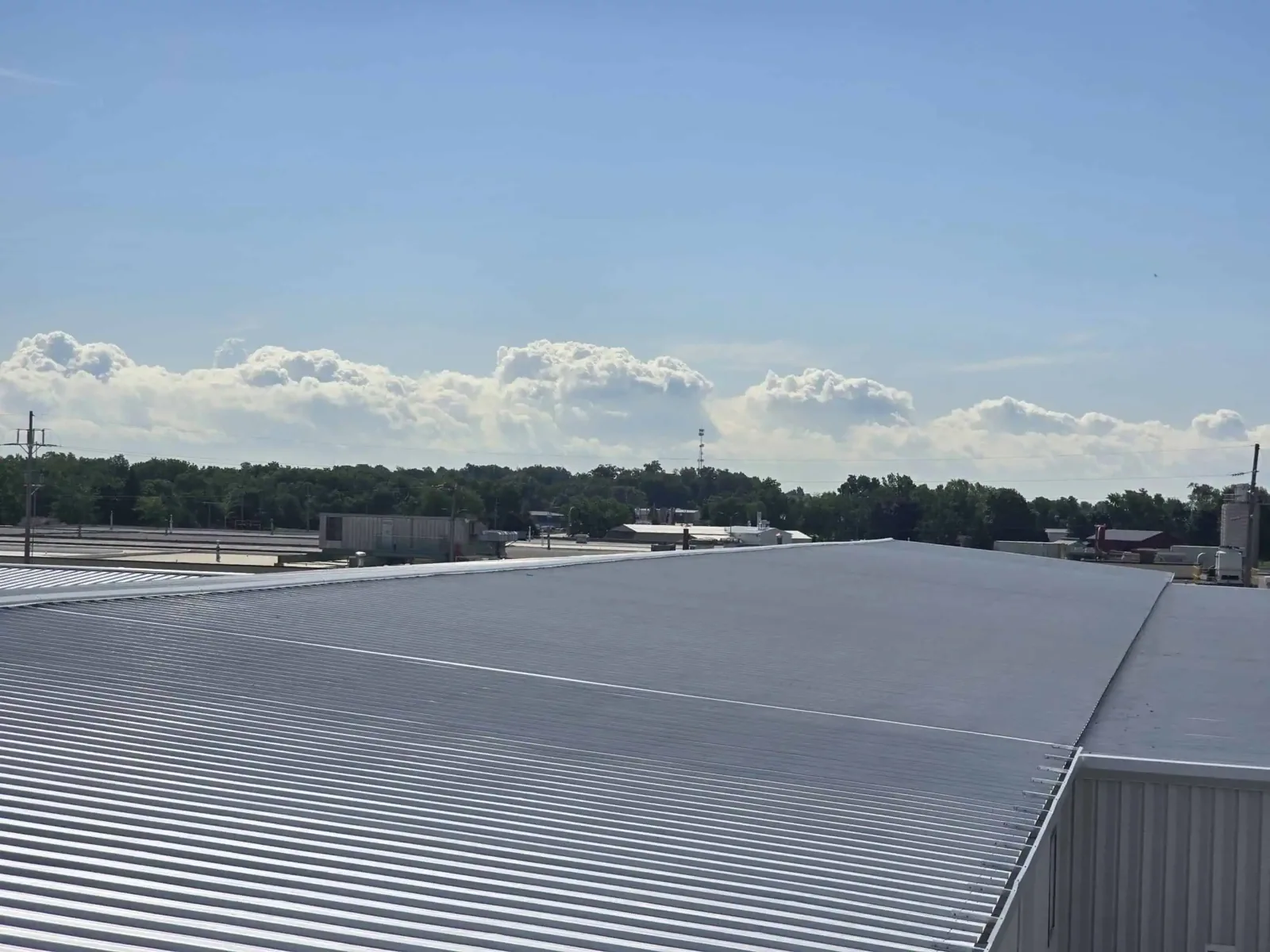
A standing-seam panel moves as temperatures change, so its clips and seams must let the roof expand without opening the water path. In Anchorage, AK, winter snow and freeze-thaw transitions add attention to valleys, eaves, penetrations, and snow retention. We inspect panel ends, seams, clips, fasteners, and flashing before recommending repair or replacement. A metal roof can appear intact from the ground while a small trim or penetration detail needs attention.
The Ship Creek industrial district sits beside railroad yards and the port-side industrial area, where access and material handling can affect roof work. Each building still has its own roof design and operating schedule. We map the panel layout and identify the source of any interior water. A commercial roof inspection can record the seam, edge, and penetration conditions before work begins.
Related Pages
How does a standing seam panel move?
Standing-seam panels connect at raised ribs, with concealed clips or other attachments holding the panels to the deck or framing. The clip design allows controlled movement along the panel length. If a clip is fixed where a sliding clip is required, or if a seam is pinched by a later repair, the panel can buckle, pull at a fastener, or stress the eave and ridge details.
We examine seam height and closure, panel alignment, clip locations where accessible, and the points where movement should be accommodated. Oil-canning can affect appearance without proving a leak, while a seam that has separated or a fastener that has backed out deserves closer review. We note which panels or transitions show movement and compare them with interior leak reports and prior repair history.
Long panels also need coordinated end laps, expansion joints, and ridge or eave details. A metal patch that locks a panel to a fixed point can create a new stress concentration. The correct repair maintains the panel’s movement path and ties into the existing profile. We identify the panel manufacturer or profile when records are available before fabricating a replacement trim piece.
Where can water enter the metal assembly?
Water can enter through a separated seam, failed end lap, loose trim, deteriorated washer, or flashing around a vent or curb. We inspect roof-to-wall transitions, valleys, ridge caps, eaves, and equipment supports. A leak may travel along the panel rib before reaching the deck, so the ceiling stain may not sit below the opening. The water path and panel geometry help determine where to test.
Sealant can protect a correctly designed joint, but a bead alone will not repair a displaced panel or failed clip. We remove loose material and examine the substrate, fasteners, and surrounding metal. A replacement washer must fit the fastener and panel profile. If the metal is corroded or the opening has enlarged, a new panel or trim assembly may be required to restore the connection.
At penetrations, the flashing must accommodate panel ribs and movement. A boot or curb detail needs a secure base, compatible metal, and a transition that sheds water over the panel. The penetration flashing service can address skylights, vents, and curbs where water is entering around the opening. We coordinate rooftop equipment work with the trade responsible for the unit.
What should snow and ice change in the plan?
National Weather Service normals for Anchorage include snowfall and snow-depth measurements, and the Merrill Field normal table records subfreezing winter monthly means. On a standing-seam roof, snow can slide toward an eave, build behind a valley, or cover a seam that needs inspection. We note the roof’s pitch, panel direction, snow retention, drainage, and access rules before selecting a work area.
Snow guards or retention devices should be located and attached according to the roof design and applicable engineering. Adding a device without checking the panel and clip system can create a leak or overload a local attachment. We review the installed pattern, panel condition, and known maintenance history. If ice forms at an edge, we inspect the water path and ventilation context rather than treating the ice alone as proof of a roofing defect.
The Ship Creek industrial district is one of Anchorage’s principal industrial settings, and the nearby freight context can affect delivery or lift planning. We confirm where equipment can stage and which work windows suit the property. Roof access remains governed by the building’s safety plan, especially when snow or ice changes footing and visibility.
Can a damaged panel be repaired in place?
A repair is possible when the affected panel and its attachment remain sound enough to accept a compatible detail. We check the seam, clip, fastener, substrate, and adjacent panels before choosing a localized patch or trim replacement. The repair must preserve movement and maintain the panel’s water-shedding direction. Covering the visible opening without correcting a loose clip can leave the same stress in place.
Small punctures may be patched with metal compatible with the existing panel and sealed according to the system detail. Larger damage, corrosion, or widespread seam separation may require panel replacement. We identify the affected length and how the replacement will connect at ridge, eave, and side seams. A commercial roof repair can address isolated damage, while a roof emergency visit can stabilize an active opening before permanent metal work.
Where the existing roof uses exposed fasteners rather than raised seams, a metal roof retrofit may be a different option. Retrofit suitability depends on framing, deck, attachment, and the existing roof’s condition. We inspect the actual assembly before treating a new overlay as practical.
What belongs in a metal replacement scope?
Replacement begins with panel profile, metal thickness, attachment, deck or framing, underlayment, insulation, and edge conditions. We identify corrosion, loose fasteners, damaged clips, and prior penetrations before removing panels. If concealed framing needs repair, the scope should show how that condition will be documented and approved after exposure.
A new system needs panel lengths and clip spacing that allow movement, along with compatible eave, ridge, valley, and wall transitions. The design should also address snow retention, drainage, and any rooftop equipment. We coordinate panel delivery and lifts so long metal sections can be moved without bending or damaging the finish. A TPO roof assembly may suit a low-slope roof with different priorities, but it is not a direct substitute for a metal roof’s structural and drainage design.
Keep panel drawings, metal finish information, fastener locations, snow-retention layout, and repair photos in the roof file. A roof condition report can map details and remaining maintenance needs. Seasonal checks should inspect seams, flashing, fasteners, gutters, and any change after snow removal or rooftop service. The Airport Heights neighborhood lies within the Anchorage Bowl planning area, where designated corridors and centers inform commercial access.
Commercial Roofing Questions
Can a standing seam roof leak if the panels look straight?
Yes. Water may enter at a trim, end lap, penetration, or seam that is not visible from the ground. We inspect panel edges and transitions, then compare them with the interior water path. Straight panel lines do not replace a close check of clips and flashing.
Should snow guards be added to every metal roof?
No. Snow retention needs to fit the panel profile, attachment, roof geometry, and structural design. We review the existing layout and where falling snow could affect people or equipment. The devices must be attached in a way that preserves the panel system and its water seal.
Why are standing seam panels buckling near the eave?
Panel movement may be restrained by an incorrect clip, fixed repair, or end detail. We check the attachment pattern, seam closure, eave trim, and panel length. The correction should restore movement without leaving a path for meltwater beneath the metal.
Can you replace only one standing seam panel?
A single-panel replacement may work when adjacent panels, clips, and edge connections remain serviceable. The crew must remove and reconnect the panel without damaging neighboring seams. We inspect access, panel length, profile match, and trim conditions before setting the replacement scope.
What should be checked after snow removal?
Look for bent ribs, loose snow guards, damaged trim, scratched coating, and debris pushed against drains. Record any new leak and the roof zone where snow was moved. We inspect the affected detail before applying a patch or tightening fasteners.
Inspect panel movement and water details
Share the roof plan, panel profile, leak locations, snow-retention layout, and any repair notes. We will check seams, clips, edges, penetrations, and the drainage route, then outline the repair or replacement work supported by the roof condition.
Request a roof assessment or call 555-555-5555.