
Duro-Last Commercial Roofing in Anchorage, AK
Overview
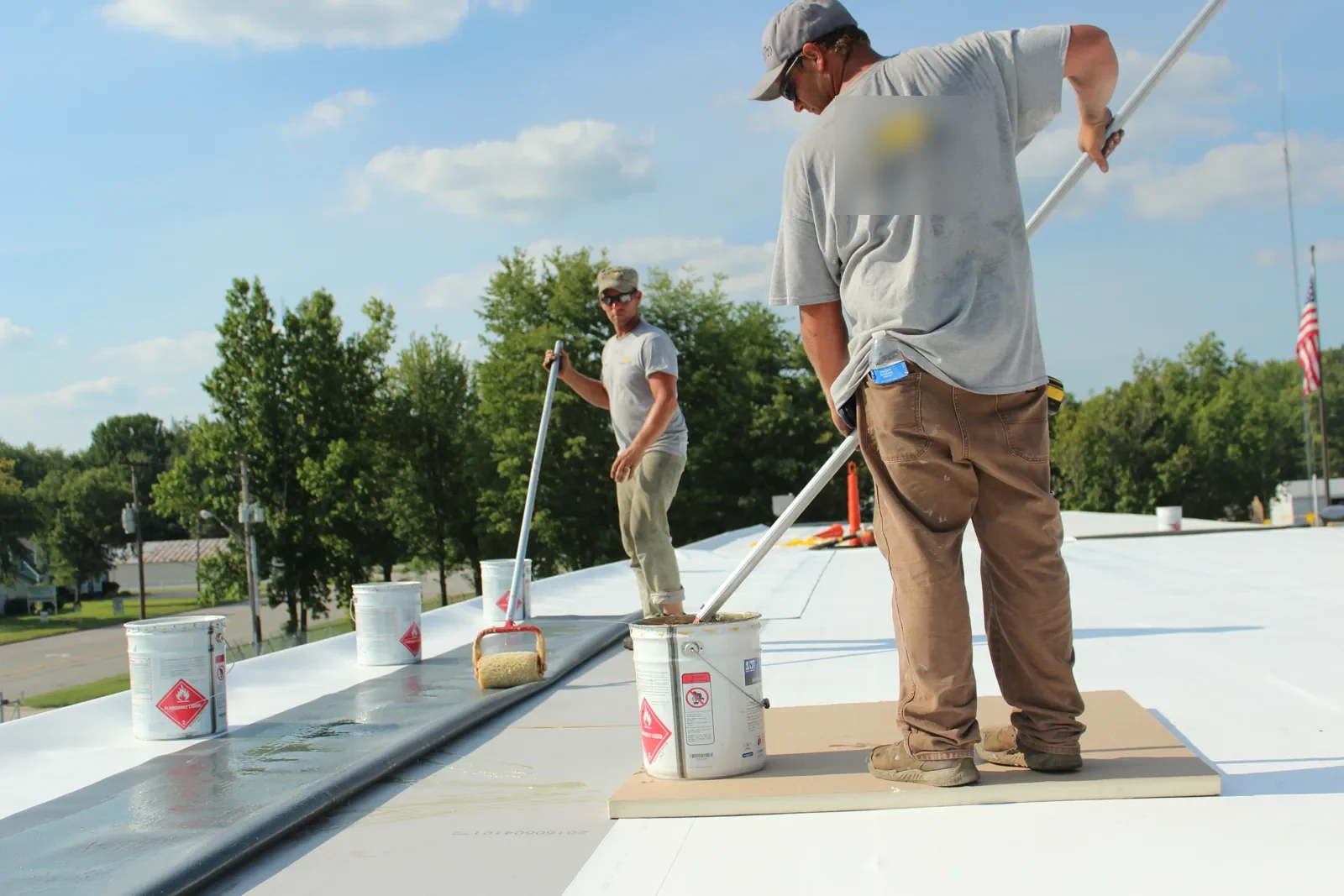
Duro-Last is a PVC single-ply roof system known for factory-fabricated membrane sections and accessories. That can reduce some field seams, but it does not remove the need to inspect each weld, penetration, drain, curb, and perimeter. In Anchorage, AK, snow and thaw cycles also make drainage and safe winter access part of the roof record. We identify the installed assembly, compare it with closeout details, and trace the reported condition before recommending repair or replacement.
The approach is useful for a facility director managing a roof near Downtown Anchorage or the Port of Alaska. The Port of Alaska is part of a statewide supply chain linking maritime shipments with air cargo, rail, pipelines, and highways; each property still sets its own roof-entry and staging procedures. We do not assume one property’s access from another’s. A commercial roof inspection can locate the Duro-Last field, identify the flashing details, and mark areas that could not be reached.
Related Pages
What does factory fabrication change in the field?
Factory-fabricated sections can place seams away from some field obstructions, depending on the roof layout. The installer still has to join those sections, tie them to walls and curbs, and close the perimeter. We check the drawings against the roof dimensions and look for changes made during installation. If equipment was moved or a curb was added later, the original sheet layout may no longer describe the current roof.
Duro-Last’s system components include membrane, flashing, edge metal, drains, fasteners, adhesives, and other accessories. Their relationship matters at the building edge and at every opening. A Sika Sarnafil PVC assembly or a Versico membrane system can be compared with the same scope questions, but the product-specific details should remain separate. We record the membrane, attachment, and approved flashing method before pricing a repair.
Which seams and transitions need a close look?
We probe accessible field seams and inspect corners, drain rings, curb bases, wall flashings, and edge metal for separation or movement. A prefabricated section may span a large area, yet a small puncture or failed corner can still admit water. We photograph the defect with enough surrounding roof to relocate it and mark the zone on the owner’s plan. The closeout should identify whether the repair uses a compatible Duro-Last membrane detail.
At a drain, check the bowl, clamping components, and surface around the opening. At a curb, inspect the flashing turn and any equipment work performed after installation. If a patch has lifted, the surrounding material and substrate determine whether it can be tied. A membrane puncture review can set the repair boundary. If water is actively entering, commercial roof repair can handle the immediate opening while the cause is verified.
What is under the PVC sheet?
The membrane sits above insulation, cover board, any vapor-control layer, and the deck. Those parts may not be visible from a rooftop walk. A soft area, recurring leak, or displaced fastener can justify a test opening, but only with the owner’s approval and a plan to close it. We record the layer order, moisture condition, and deck response so the decision to recover or remove is tied to evidence.
Municipal policy recognizes production, distribution, construction contracting, and repair among the work carried out in local industrial districts; that broad designation says nothing about a particular roof assembly. That context can explain why a roof project may need coordination with freight or equipment movement, but it does not prove what is below an individual Duro-Last sheet. We ask the facility team about access, receiving hours, and areas that must remain clear. If the concealed layers are sound and the product details permit it, a recover can be assessed; otherwise, replacement planning should show the removal and deck work. Before that scope is approved, identify who can authorize a concealed-condition change and how the roof will be protected if work pauses. A written boundary helps the facility team keep the original price and any approved addition distinct.
How should snow and drainage be handled?
For winter planning, Anchorage’s official normals use the 1991 to 2020 record and list snowfall and snow depth. Mark covered sections for a return inspection rather than inferring their condition. Snow can cover a weld or drain and prevent a useful close-up inspection. We document the covered zone, follow the building’s roof-access rules, and schedule a return when the surface is safe and the relevant details are visible. A winter visit should not turn into unapproved ice scraping or a guess about what lies under the snow.
After thaw, a drain that is slow or a new interior stain should be tied to the roof map and its water path. We check the bowl, surrounding membrane, seams uphill, and the insulation if moisture is confirmed. Downtown is the municipality’s City Center, but the block’s actual building hours, loading zone, and roof route still shape the visit. Midtown coverage includes a commercial core beside neighborhoods, so delivery and occupant-protection needs can change from one property to the next. Downtown Anchorage coverage is a broad district reference. A dated roof condition report can preserve the observations and follow-up needs.
What belongs in the Duro-Last closeout file?
Keep the roof drawing, membrane layout, product and accessory details, repair tickets, warranty paperwork, and dated field photos together. Mark where a prefabricated piece ends and a field seam begins. If a mechanical contractor changes a curb or the owner adds a penetration, record who approved the roof opening and how the flashing was restored. This lets a later inspector distinguish the original installation from subsequent work. Record the date, crew, membrane and welding equipment used, seam location, weather conditions, and photographs from before and after the work. Keep that entry beside the updated drawing so future service teams can trace the change without relying on memory.
We can compare the file with the current roof and note missing details as questions for the owner, not as assumed facts. A PVC assembly review can explain the seam and flashing checks, while the condition report records what was actually observed. Send the plan, access rules, leak history, and any record of equipment changes. We will inspect the roof and show which repairs are supported by the existing assembly.
Commercial Roofing Questions
Does prefabricated Duro-Last roofing eliminate field seams?
No. Fabrication can reduce some seams by preparing larger sections, but the roof still has field joints and transitions at walls, curbs, drains, and edges. We inspect the installed layout and the field welds rather than assuming the factory drawing matches every later modification.
Can a Duro-Last puncture be patched with generic PVC?
A repair needs a compatible membrane and detail. We identify the installed sheet, previous repairs, and substrate condition before selecting materials. A generic patch should not be assumed to bond or perform like the approved repair method for the assembly.
What should be checked after equipment is added to the roof?
Inspect the new curb or penetration, flashing, nearby seams, fasteners, and any route used to move the equipment. Keep the trade authorization and closeout images with the roof plan. If water appears later, those records can help identify which detail changed.
Can a Duro-Last roof be recovered?
That depends on the deck, insulation, moisture, attachment, drainage, and the approved system detail. We inspect and test where needed before recommending that material remain. The proposal should state tear-off limits and how concealed damage will be approved.
How do you inspect a Duro-Last roof when snow covers the membrane?
We follow the facility’s access and snow-removal rules, then note which seams and drains remain hidden. The crew returns when the area can be reached safely. We do not infer the condition of an inaccessible weld from a leak symptom alone.
Check the Duro-Last layout against the roof
Send the membrane layout, roof plan, equipment-change records, repair history, leak dates, and access requirements. We will inspect seams and transitions, document the visible condition, and define a compatible repair or replacement scope.
Request a roof assessment or call 555-555-5555.