
Big-Box Retail Roofing in Anchorage, AK
Overview
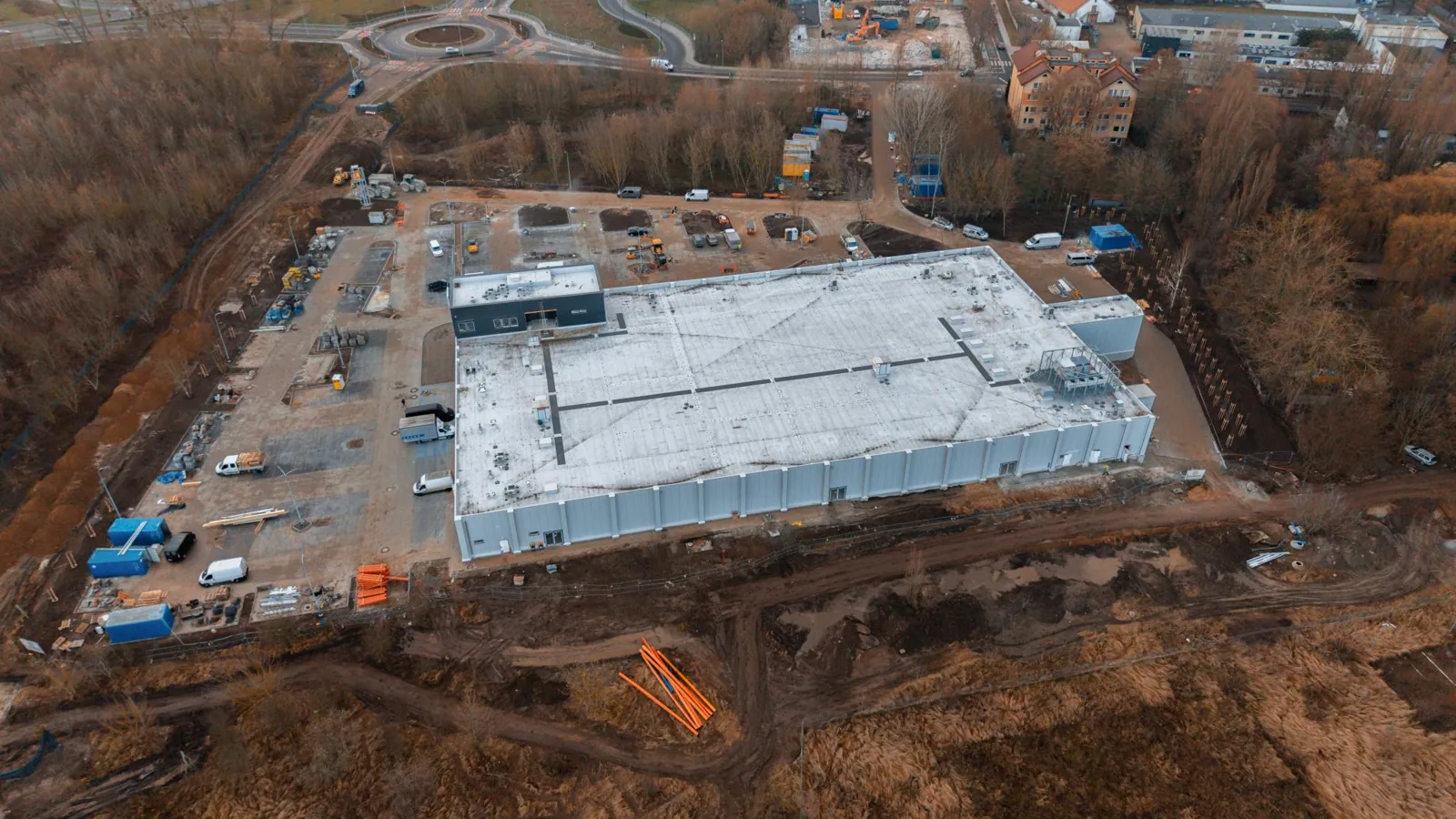
A big-box store can have a long roof span over sales floor, stock area, offices, and loading docks. A leak above one aisle may travel from a drain, seam, or curb outside the visible stain. We map the report to the roof plan and inspect the water route before selecting a repair. In Anchorage, AK, winter snow and thaw conditions make drainage, access, and snow-removal history part of the review.
Anchorage is Alaska’s primary goods-distribution center, connected by port, air, rail, and highway networks. The Port of Alaska links marine freight with air, rail, pipeline, and road cargo. For a large retail building, that regional movement can make receiving windows worth checking before a membrane delivery or lift is scheduled. Anchorage’s land-use plan designates Downtown Anchorage as the municipality’s highest-intensity City Center. That civic and mixed-use setting differs from retail lots near freight infrastructure; neither context identifies a store’s roof, so we verify the loading route and inspect the assembly on site. A commercial roof inspection can establish roof zones and current repair priorities.
Related Pages
How should a large roof be divided for inspection?
We mark drains, scuppers, rooftop units, skylights, expansion joints, and previous repairs by roof section. A large field can hide a localized defect if the water path crosses several bays. The store’s interior map helps identify which aisles, stock areas, or electrical rooms sit below each section. We can then prioritize the inspection without assuming the ceiling mark identifies the entry point.
We also note transitions between sales floor and dock areas. A roof edge over a loading bay may have different flashing and access needs than the center field. If the building has several roof elevations or additions, each tie-in deserves a separate check. The record should include photographs, repair limits, and any section left for testing.
At the Ship Creek Industrial District, confirm the gate and delivery path before material arrives. Before equipment or debris moves, the store contact identifies which receiving lane, fire route, and dock apron must stay clear. We check where a lift can stand and how long a truck can occupy the service road. A roof plan should also show whether the dock canopy and main sales field drain separately. Those operational details shape staging; only inspection of the membrane, deck, and attachment establishes the roof condition.
Can each roof section move water to an outlet?
We inspect the slope, drain bowls, leaders, scuppers, and overflow routes across the roof. A debris blockage may hold water near a seam, while a low area can persist after a drain is cleared. We compare water lines with membrane condition and inspect the surrounding flashing. A large roof often has separate drainage zones that should be identified before a repair or replacement estimate is written.
Use the snow-removal log to locate cleared lanes, pushed piles, and roof sections that remained covered. Once access is safe, inspect the outlets beside those areas for debris, scraped coating, and displaced edge metal. Compare each observation with the drainage map and any leak report from the store below. Regional snowfall records explain why a seasonal check matters; they do not establish damage at this property. Mark unobserved zones for a later visit rather than treating them as clear.
When a roof map shows a blocked bowl or damaged overflow, we identify which retail section it serves and what prevented discharge. Drain work can restore a failed outlet; a depressed field or deflected deck requires a separate profile review. We document whether the water path is blocked, altered, or interrupted by a failed detail.
How can the store stay accessible during roofing?
Work planning should preserve customer access, receiving schedules, fire lanes, and service doors. We confirm where a lift can stand, whether a portion of the lot must be closed, and which entrance is near the roof work. Inside, the store identifies merchandise or equipment that needs protection below a test opening. The job plan should show barriers, work hours, and how the roof will be closed before crews leave.
Rooftop units, exhaust, conduits, and sign supports need sound flashing. A penetration flashing repair can rebuild a curb or support transition after the responsible trade completes equipment work. We coordinate that boundary so a new unit or sign installation does not leave an open roof detail.
For an active leak, emergency roof repair can control water while we prepare a permanent detail. We record what was temporarily covered and what remains to be repaired. Scheduled roof work can be phased by section or dock wing, with each area secured before the store resumes normal activity below.
Which roof system or repair fits the store?
For a single aisle or dock wing, compare the failed detail with nearby roof layers before authorizing a patch. The crew should expose enough material to confirm dry insulation, sound attachment, and a receiver that can accept the new tie-in. If the opening finds wet board or separation beyond the planned edge, record the added area and return it for approval. The scope names the tested zone, the material removed, and how the repaired field returns to service.
A TPO roof assembly may be evaluated for a low-slope store, subject to the deck, insulation, attachment, drainage, and project requirements. A shopping-center roof plan may split work among tenant spaces, while a warehouse roof assessment may prioritize storage zones and dock flow. The roof system decision follows the building, not its retail category.
Repeated leaks, widespread wet insulation, or failing attachment may justify comparing repair, recover, and replacement. Scope drivers include roof layers, equipment moves, disposal access, drain corrections, and how much of the store must be protected. We identify those items before setting the project sequence.
What should the store’s roof file contain?
Keep a roof plan, leak dates, drain service notes, snow-removal logs, equipment changes, and repair photos together. A large roof benefits from consistent zone names, so the manager can compare a report with previous work. Record the material and repair boundary as well as the condition that was confirmed; suspected moisture should not be logged as a finding until tested.
Port and rail networks support freight distribution across Anchorage. A supplier delivery or lift reservation may need coordination, particularly when loading activity is active. We confirm the actual property’s receiving schedule, staging, and site access before committing to work. After the repair, the file should identify what the store team monitors and when the next inspection is planned.
A large uninterrupted roof also needs clear section boundaries, so one repaired zone does not hide a second leak path. We record which area is complete before broadening the work. A follow-up check can revisit drains, penetrations, seam edges, and areas where service technicians travel. The store manager can compare any new interior report with the mapped roof section. That record helps determine whether a leak is a new condition or a return at a repaired detail.
Commercial Roofing Questions
Can a large roof be inspected in one visit?
A single visit may cover the full roof if access, weather, and the inspection scope allow it. A large footprint may need zones or follow-up testing to document concealed moisture and separate roof elevations. We identify what was observed and which areas need another step.
What should store staff do when water reaches merchandise?
Move or protect inventory if safe, record the aisle or stock area, and note when water appeared. We use that report to inspect the roof above and along the likely path. The permanent correction follows the roof condition, not only the affected shelf or aisle.
Does a snow-removal log matter for roof repairs?
Yes. It can identify where equipment crossed the surface, where snow was piled, and which drains were cleared. We compare those notes with scrape marks, bent edges, blocked outlets, and new leak reports during the inspection.
When is replacement more practical than repeated patching?
Compare it when leaks recur across roof zones, insulation is wet in several areas, or attachment and drainage failures are widespread. We document test results and repair history, then outline how each option affects access, merchandise protection, and store operations.
Map roof zones to store operations
Share the roof plan, leak locations, receiving hours, snow-removal records, equipment changes, and access rules. We will inspect drains, seams, curbs, and edges, then outline repairs or phases that protect the store below.
Request a roof assessment or call 555-555-5555.