
Commercial Rooftop Equipment Curb and Support Repair in Anchorage, AK
Overview
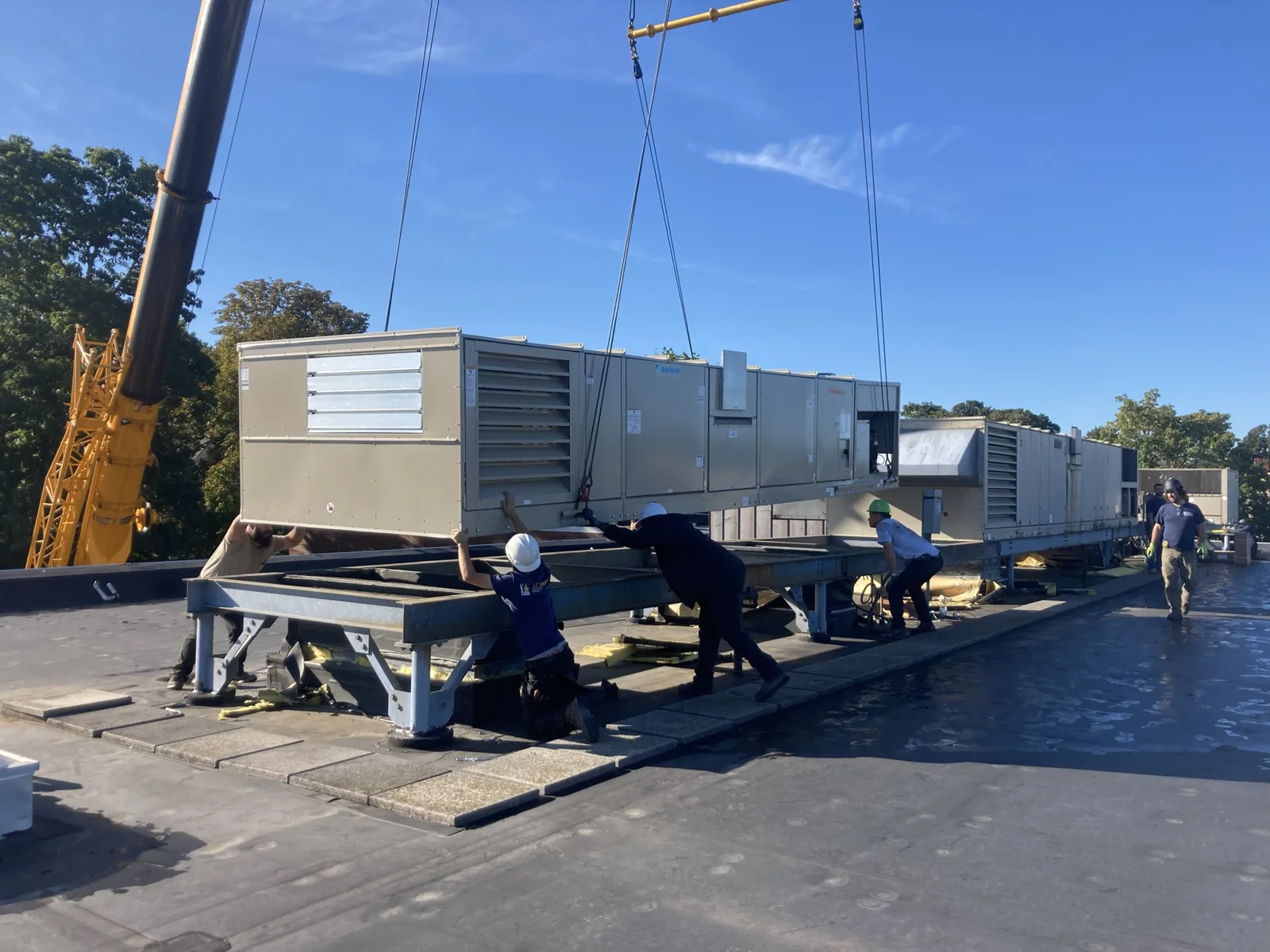
A rooftop unit can be level while its curb flashing has started to open. In Anchorage, AK, recurring snow and freeze-thaw transitions make the curb, membrane, and equipment support one connected detail. We inspect attachment, movement, flashing height, and nearby seams before specifying a repair. The scope shows which component is loose, where the roof opens, and what must be restored around it.
Anchorage’s commercial properties range from Downtown offices to industrial uses around Ship Creek and Midtown. The building’s actual equipment and access rules determine the work. We review the roof plan, service history, and leak locations, then coordinate the roof work with the mechanical trade. A roof inspection can map several curbs or supports before repair begins.
Related Pages
What is moving at the equipment base?
We inspect the curb itself, the equipment rail or support, fastening, counterflashing, membrane tie-in, corners, and surrounding insulation. A unit may vibrate, shift during service, or transmit movement into a curb. We look for loose fasteners, split flashing, open seams, compression, corrosion, and evidence of water at the base. The roof plan identifies each unit so a repair record does not confuse one curb with the next.
Anchorage climate records track snowfall and snow depth. Snow may hide the lower flashing edge, and thaw water can collect around a curb if the drain path is obstructed. We note access limits and return when the detail can be examined safely. The climate record guides seasonal inspection; it does not establish the condition of a particular equipment base.
Some curbs contain electrical or mechanical connections that cannot be disturbed without a technician. We identify the work boundary before opening the flashing. If a unit must be disconnected, moved, or lifted, the responsible equipment trade confirms that step and timing. Roof work begins after the contact approves access and the equipment is ready to be protected.
How do supports differ from curbs?
A curb raises equipment above the roof plane and provides a framed transition for flashing. A pipe or line support carries a conduit, pipe, or cable without enclosing a rooftop unit. Each needs a base, attachment, and roof detail suited to the load and movement. We identify the support type and inspect how it is secured to the structure or membrane system before replacing or modifying it.
Small pipe supports can puncture or abrade a membrane if they slide, corrode, or use an incompatible base. The repair may require a new support with a non-damaging bearing surface and a flashed base. We coordinate line movement with the trade that owns the pipe or conduit. A roof patch cannot correct a support that remains loose or a line that keeps moving against the membrane.
For equipment curbs, we check whether the unit sits evenly and whether its weight is carried by the intended structure. The roof scope does not assign structural capacity without engineering review. If deck or framing damage is visible, we document it and involve the appropriate design professional before resetting equipment or covering the area.
How is the water seal rebuilt?
We remove failed flashing and enough adjacent membrane to reach sound material. The new detail turns up the curb, reinforces corners, and terminates beneath the counterflashing or approved curb assembly. The materials must be compatible with the field membrane. A bead of sealant at the top edge is not a substitute for secure attachment and a complete water-shedding transition.
If insulation around the curb is wet, we remove it to a firm boundary and inspect the deck. Test cuts can show whether moisture is limited to the curb or extends into the roof area. We record each opening and restore it with a compatible assembly. When several curbs show similar patterns, a targeted moisture survey may help choose the next test locations.
Anchorage’s cold winters and snow cover narrow the conditions for roof preparation. The surface must be safe, clean, and within the material requirements for adhesion or welding. We plan temporary protection for any curb opened during the work and close the roof before the crew leaves. A repair scope identifies the flashing, fastening, removal limits, and any equipment-trade work included.
What coordination keeps the unit working?
The facility contact and equipment technician establish a shutdown or service window when needed. We protect intakes, keep tools clear of moving parts, and mark the work zone. If the unit must remain in service, the team confirms which flashing details can be reached without affecting operation. The repair record names any work deferred until a later equipment visit.
Near Downtown Anchorage, staged equipment or a lift may require coordination with building entrances. At the Ship Creek Industrial District, delivery and yard arrangements can affect material access. We confirm arrival timing, gate instructions, and unloading space with the property contact before booking a delivery.
After flashing is complete, the technician can reconnect or test the unit as appropriate. We photograph the curb and nearby membrane before closing the record. If future service requires removing counterflashing or disturbing the membrane, the owner should include roof restoration in that work plan. That protects the connection created during the repair.
How should curbs be checked later?
Record the unit identifier, roof zone, curb or support type, flashing material, fasteners, and any trade work completed. The closeout should include images of the prepared surface and restored detail, plus a note about any moisture or deck condition found. A marked plan helps the next technician avoid cutting into the wrong roof zone.
Seasonal checks can look for new movement, loose counterflashing, open corners, cracked sealant, damaged support bases, and debris that holds water around the curb. Snow and ice should be managed under the building’s own rules. The facility team can compare the same location after a thaw and report any new interior mark. A maintenance program can keep these equipment details on the roof history.
If a curb has repeated failures, the owner may need to compare a local repair with a larger reroof or equipment replacement plan. A condition report can organize the equipment, moisture, and membrane findings. Share the roof plan, unit list, leak dates, service schedule, and access requirements. We will inspect the base, coordinate the trade boundary, and document the roof repair that fits the assembly.
Commercial Roofing Questions
Can the curb flashing be rebuilt while the rooftop unit remains in service?
Sometimes the flashing can be reached while equipment stays in service, but that depends on the unit’s clearances and the repair boundary. We coordinate with the equipment technician, protect openings, and identify any work that requires a shutdown before starting.
Why does water collect around a rooftop curb?
The curb may interrupt drainage, or the nearby roof could have a blocked outlet, low area, or failed flashing. We inspect the membrane and the water route around the unit before deciding whether curb work, drain correction, or slope repair is required.
Can a loose pipe support cause a roof leak?
Movement can abrade or puncture the membrane, especially if the support base slides or has a sharp edge. We inspect the support and roof surface together. The pipe or conduit trade may need to secure the line before the roof detail is rebuilt.
Who should move or disconnect rooftop equipment?
The trade responsible for the equipment confirms whether it can be disconnected, lifted, or shifted. We coordinate the roofing boundary and flashing sequence with that technician. The roof scope identifies what is included and which equipment work remains separate.
What should the curb repair closeout show?
Keep the unit identifier, roof-zone mark, before-and-after photos, flashing materials, test results, and any trade work. Note whether wet insulation or deck damage was found and what remains to be monitored at the next seasonal inspection.
Coordinate the curb and roof detail
Send the roof plan, unit list, service schedule, leak reports, access rules, and prior flashing notes. We will identify the curb or support condition, coordinate the equipment boundary, and document the roof work needed.
Request a roof assessment or call 555-555-5555.