
Commercial Roof Fire Damage Repair in Anchorage, AK
Overview
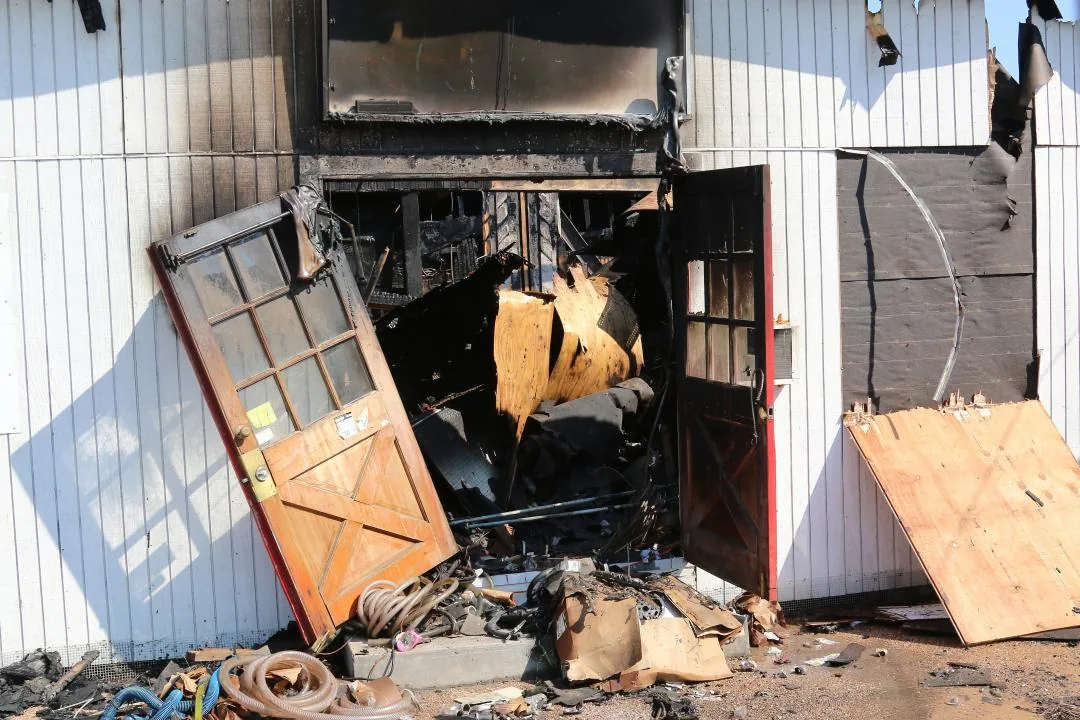
After a fire, a roof may have heat exposure, smoke residue, suppression water, debris, or openings created during response. A roofing visit documents visible conditions and temporary protection needs; it does not determine structural safety, cause, insurance coverage, or environmental clearance. The owner should coordinate the fire authority, insurer, engineer, and other qualified professionals before roof access. In Anchorage, snow or ice can add another access hazard, so the inspection boundary must reflect the conditions at the time of the visit.
Related Pages
Who should coordinate the first roof visit?
The property owner or designated facilities lead should confirm that emergency personnel have released the area and that required fire, structural, environmental, and insurer reviews are complete. Share access rules, incident timing, known hazards, and the approved inspection boundary. A commercial roof inspection can document roofing observations only within that authorized boundary.
Do not enter an area that has not been cleared by the responsible authority. Roofing personnel do not certify fire-damaged framing, electrical systems, air quality, or occupancy. If a qualified reviewer restricts access, follow that restriction and record why roof observations are deferred. The owner can still share photographs, drawings, and incident notes for planning a later visit after the required release.
What hazards can remain after suppression?
Potential concerns include unstable materials, hot surfaces, damaged deck, exposed electrical components, contaminated residue, slippery suppression water, and falling debris. The qualified incident team determines what controls apply. A temporary emergency response should begin only after the owner confirms safe entry and the work area.
Roofers should not remove suspect residues, cut through unknown layers, or disturb evidence reserved for investigation. Keep the entry path and work zone limited, use the site’s required protective measures, and stop if conditions differ from the authorized plan. If water is entering, isolate affected building areas through the owner’s procedures while qualified personnel decide whether roof protection can be installed safely.
How should the roof condition be recorded?
Use a roof plan and label each visible area with an overview image and close views. Record heat effects, displaced metal, membrane changes, openings, debris, and suppression-water paths as observations. A condition report can separate direct evidence from questions that need an engineer or investigator.
Preserve incident photographs and chain-of-custody instructions provided by the owner or authority. Do not move debris or alter a suspected origin area without written direction. Note temperature, weather, water, snow, and access limitations. If a portion of the roof cannot be seen, identify it as uninspected; do not extrapolate its condition from a nearby section.
How should suppression water be managed?
Document where water is visible, whether drains appear obstructed, and which interior areas have reported moisture. Suppression water may travel through assemblies and does not establish roof failure by itself. A drainage review can be coordinated after the authority permits roof access and site hazards are controlled.
The owner determines interior protection, equipment shutdown, and cleanup responsibilities. Roofing staff should not redirect water or remove materials if that could affect an investigation or create an exposure. Record whether the drainage path was observed during the visit or inferred from a plan. If moisture affects electrical or mechanical spaces, refer that response to qualified site personnel.
When can temporary roof protection be installed?
Temporary protection is appropriate only after the work zone is cleared and the owner authorizes a method that does not disturb evidence or conflict with investigation. Define attachment, monitoring, weather limits, and removal or permanent-repair timing. A repair assessment can be scheduled once the scope boundary is released.
A cover or patch must not conceal a structural opening or expose workers to unstable edges. If heat has affected the substrate, attachment may be uncertain; obtain the required professional direction before securing material. Photograph the condition before and after temporary work, identify remaining hazards, and confirm who will monitor the protection. Temporary measures are not a finding of safety or a permanent restoration.
What is needed before permanent roof repairs?
Wait for the owner’s release, engineering or design direction where needed, any required environmental clearance, and insurer or investigator instructions about evidence retention. Then identify the assembly and define removal, replacement, and testing limits. A roof replacement review can be compared with bounded repair only after the affected area and hidden conditions are understood.
The construction scope should coordinate roofing with structural, mechanical, electrical, and interior restoration. State what is excluded and what condition requires a written change. Identify required permits, product approvals, manufacturer consultation, and protection of occupied areas. No roofing contractor can promise an insurance result or certify an undamaged structure from a visual roof visit.
What should the closeout file contain?
Retain the access release, approved scope, roof map, dated observations, photographs, materials, temporary protection log, test records, and open items. Keep investigator or insurer records under the owner’s instructions. A maintenance plan can resume when the building is released and the repaired assembly is documented. Related records may include Anchorage service-area coverage wind-related roof damage flashing condition review.
Anchorage climate normals maintained by the National Weather Service include snowfall and snow-depth measures, so seasonal access limits should be part of any deferred inspection record. Downtown Anchorage is the municipal City Center, and Midtown has a defined district plan; these broad areas describe service coverage only. Each building’s incident record should remain private and controlled by its owner.
A roofing closeout does not replace the incident file maintained by the owner, fire authority, insurer, or investigator. It should instead identify which roofing tasks were authorized, which conditions were left untouched, and what follow-up depends on another professional’s release. Keep photographs and material records organized by roof zone and date. If the building remains partly occupied, coordinate noisy work, access controls, and temporary protection through the facilities lead. In Anchorage, broad public coverage may refer to Downtown or Midtown; no district description establishes that a particular roof has been inspected, cleared, or repaired.
If a roof opening must remain protected while another review is pending, document the temporary method, attachment limits, weather exposure, inspection frequency, and the person responsible for checking it. Do not use a covering that blocks a required investigation or creates an unreviewed load. When the owner authorizes a permanent scope, coordinate sequencing with interior restoration so roof openings are not left exposed between trades. A building contact should receive a concise list of the work completed, the conditions not evaluated, and each decision still assigned to another qualified party.
Before crews leave each shift, verify the owner’s approved secure condition and identify any temporary material that needs monitoring. Record whether the roof was left open, covered, or inaccessible, and who accepted the handoff. If weather changes the condition or a new hazard appears, stop and request updated direction instead of relying on the earlier release.
Written authorization should name the party permitted to approve each later phase, especially when roofing, restoration, and mechanical work overlap. Keep that approval with the day-by-day record.
Commercial Roofing Questions
Can a roofer certify the roof is structurally safe after a fire?
No. Structural safety belongs to the qualified engineer or authority responsible for that determination.
Can roofing work start while an investigation is active?
Only when the owner and responsible authorities release the area and approve work that preserves required evidence.
Does fire suppression water prove the roof leaked?
No. Document its observed path and interior reports, then evaluate each condition separately.
Can you estimate permanent repairs from photos?
Photos can support preliminary planning, but safe access, authorized inspection, system identification, and qualified reviews may still be required.
Coordinate a released roof inspection
Share the owner-approved access release, roof plan, incident notes, and required evidence controls. We can document roofing conditions within the cleared scope.
Request a roof assessment or call 555-555-5555.