
Fitness Center Roof Repair and Inspection in Anchorage, AK
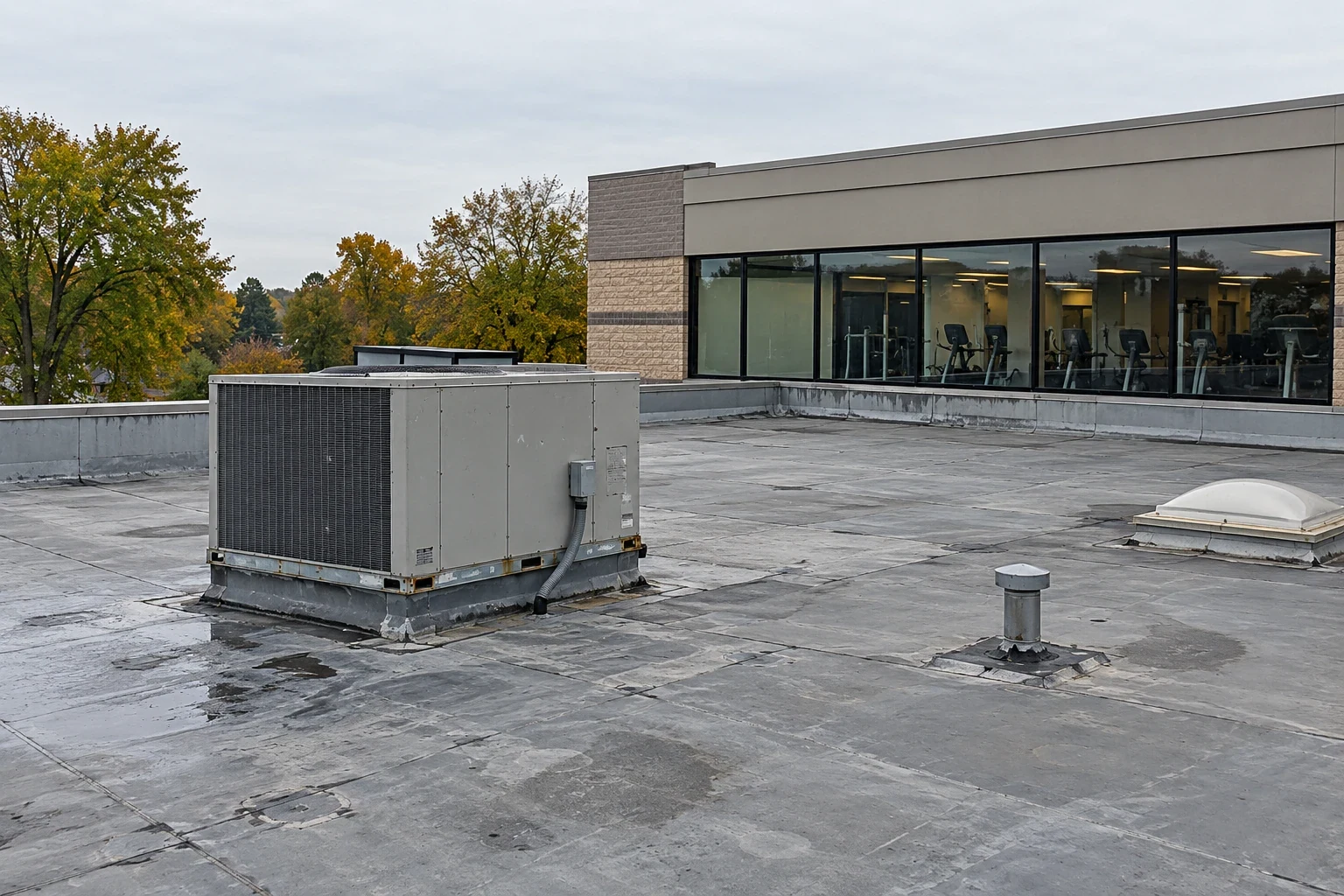
Overview
A humidity complaint in the locker wing can linger even after a ceiling tile is replaced. We inspect the roof above the reported area, check drains and equipment curbs, and compare the condition with ventilation and plumbing activity. Anchorage climate normals include recurring snowfall and snow-depth measures, so thaw drainage and winter access also shape the inspection calendar. A fitness center may have classes, team use, showers, offices, and public programs under one roof. The facility’s schedule and the roof evidence determine where work begins.
Midtown planning area includes a commercial core and adjoining neighborhoods, with portions of Spenard and North Star in its broader study area. Downtown Anchorage serves as the City Center, with civic, commercial, residential, office, and public uses. These settings can affect traffic and access near a fitness property, but they do not describe its roof or operating hours. We confirm the site’s rules directly. A commercial roof inspection can map the affected zone and identify whether a roof repair is supported.
Related Pages
Does the moisture point to the roof?
Water at a ceiling can come from the roof, a plumbing line, condensation, or an air leak. We compare the report location with roof slope, nearby drains, penetrations, and the conditions observed inside. Showers, locker rooms, and exercise areas may add humidity, so check whether moisture appears near a diffuser or pipe as well as below a roof transition. If a test opening is needed, place it where the result can distinguish a wet roof layer from another building system.
A facility with a large activity room may have long roof spans and equipment above the occupied floor. We inspect seams, curbs, skylights, and previous patches, then label the roof section and area below. A school roof inspection can consider gym use and program schedules; a fitness center can also have private classes, locker turnover, and evening events. The report should describe the observed route and the next step without treating every interior symptom as a roof leak.
Which ventilation and lighting details need inspection?
Fans, exhaust, makeup air, plumbing vents, conduit, and skylights can interrupt the roof field. Check the curb base, flashing corners, fasteners, and membrane where service technicians walk or carry equipment. A replacement fan may use a different curb, leaving an open gap or abandoned fasteners if the roof connection is not rebuilt. We coordinate with the mechanical contractor so the roof remains protected until the unit work and flashing tie-in are complete.
If the building includes a pool or steam room, the owner should identify that use and any interior condensation pattern before the inspection. We do not assume those spaces are present. Where humidity is part of the report, compare mechanical operation, interior surfaces, and the roof assembly instead of selecting a coating or patch without evidence. A penetration flashing repair can restore a failed curb or opening after the equipment scope is stable.
If the center includes a pool, indoor track, or high-bay court, inspect that roof zone separately from locker rooms and offices. Warm, humid air may reach colder roof layers through an air leak, while an actual roof opening can produce a similar interior symptom. We compare the report timing, ventilation operation, roof membrane, and insulation before defining the repair. If a test opening is needed, choose a location where the exposed layers can distinguish water entry from interior condensation.
Activity floors may have acoustic panels, lighting, or scoreboards suspended below the roof structure. Before opening the deck or moving equipment, the facility contact identifies what hangs below the work and which trade can isolate it. The roofing scope should include interior protection and a method for confirming the ceiling is ready to return to use after the roof has been closed.
Where can meltwater collect above an activity room?
Follow each roof slope toward drains, scuppers, and overflows. Ice, debris, a damaged bowl, or a low point can keep water beside a curb or parapet. Anchorage climate normals include snowfall and snow-depth measures for the 1991 to 2020 period, useful context for planning a check after snow cover recedes. The record does not prove a leak at a specific center. We inspect the outlet, surrounding membrane, and ceiling or wall report to identify the condition that needs work.
A drain and scupper repair can clear a blocked outlet or restore a damaged connection. If a depression holds runoff after cleaning, the roof profile may need correction. We note which activity space lies below the water route and whether the work can be isolated from a class, locker area, or entry. Keep snow-removal dates and observations with the service file so the next visit can inspect edges or drains that were hidden earlier.
How can repairs fit the program calendar?
Class times, team practice, member access, and weekend events can make one repair window easier than another. Before staging material, confirm the public entrance, accessible path, emergency access, lift location, and area below the roof opening. The facility contact identifies which rooms can close and how members will reach remaining activities. If work crosses more than one roof zone, set a daily closeout and verify that each exposed area is weather-tight before the crew moves.
Midtown and Downtown offer broad commercial and civic contexts, but the center’s parking and receiving rules control work at its address. We confirm those details with the manager and name the affected routes in the work plan. When water reaches an active program area, emergency roof repair can protect the room until inspection identifies the entry point and lasting correction. A preventive maintenance visit can schedule drain, curb, and edge checks before winter access narrows.
When does a roof need broader renewal?
A local repair can address a defined failure when surrounding membrane, insulation, and deck remain sound. We remove damaged material to a stable limit, replace wet layers to the confirmed boundary, and restore the seam or flashing with compatible parts. If the opening finds a broader wet area or deck movement, the scope pauses for approval before expanding. The closeout records the roof zone, what was repaired, and which room or activity area should be checked again.
Moisture beneath separate activity zones or recurring failures at equipment curbs may call for work beyond a patch. A replacement scope should state removal depth, insulation, membrane, edge work, equipment coordination, and room protections. A church roof plan may schedule around gatherings and sanctuary finishes; a fitness center may phase around locker rooms, classes, and public access. Compare the roof scope with the operating calendar before selecting the project window.
Commercial Roofing Questions
How can staff tell whether a locker-room stain is roof-related?
Compare the timing and location with plumbing or ventilation work, then inspect the roof slope and transitions above the report. We identify whether the roof layers are wet or whether another building system needs review.
Can repair work happen while classes continue?
The work can sometimes be phased, depending on the roof opening, noise, access, and interior protection. We identify the room and route affected, then coordinate the daily closeout with the facility manager.
What roof details matter after snowmelt?
Check drain bowls, scuppers, curb flashing, parapets, and previous repair edges once safe access is available. We compare exposed conditions with any water reports from the rooms below.
What should the center keep after a repair?
Keep the roof zone, date, material, photographs, drain condition, and any follow-up item together. Note which program area was protected and when access returned to normal.
Plan inspection around facility use
Share the roof plan, interior reports, equipment history, class and event calendar, access procedures, and winter maintenance notes. We can define an inspection scope that fits the center’s program schedule.
Request a roof assessment or call 555-555-5555.