
Commercial Roofing in Eklutna, Anchorage, AK
Overview
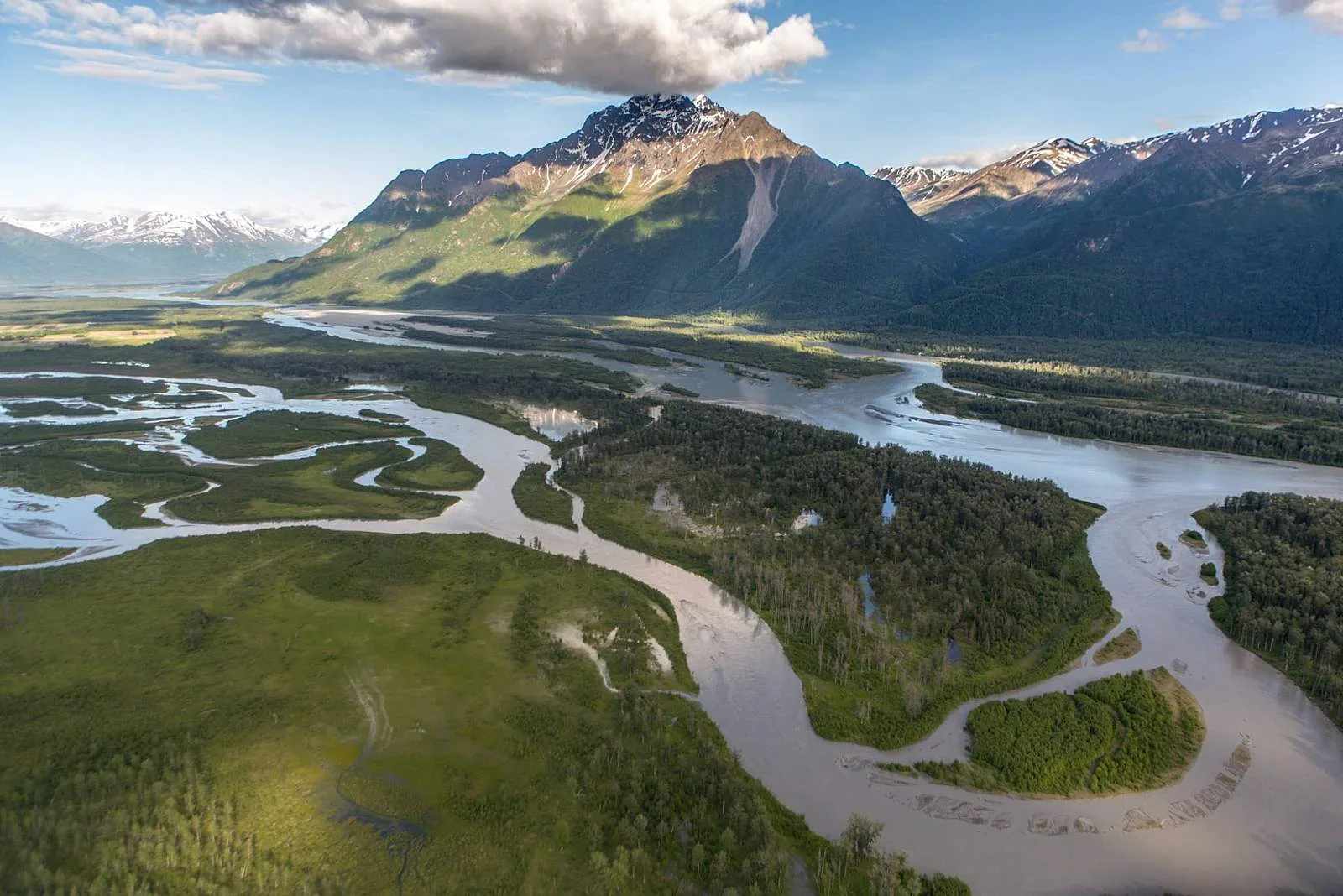
Eklutna is a named community within the Chugiak-Eagle River comprehensive planning area. The regional plan identifies a commercial node here while favoring concentrated commercial activity over broad arterial expansion. The municipal framework treats Eklutna at community scale within Anchorage jurisdiction. None of these facts describes a particular tenant, building, or roof. We confirm the property and requested work with its representative, then inspect the roof assembly, drainage, and reported symptoms. The goal is a useful property-level record: what was observed, what requires testing, and which repair or maintenance action follows from the evidence.
Related Pages
How should Eklutna coverage be understood?
Eklutna is a broad community service-area target, not an operating facility. A planned commercial node says something about the location of land-use activity in a comprehensive plan; it does not identify current businesses or roof types. Before service, confirm the property’s actual address, owner or manager, site access, and scope. If a request involves several structures, list them separately. The service plan should reflect the actual condition and route for each building, not assume that the community reference supplies an access permit or a description of what is on the ground.
Roof documentation starts with available plans and the owner’s maintenance history. We verify whether the drawing matches the installed surface and label any addition or change. Then we compare the reported interior symptom with seams, penetrations, curbs, walls, drains, and edge details. If the source is uncertain, state which facts point toward a possible water path and what would confirm it. A roof inspection visit should preserve that distinction so the owner can decide whether a repair or further survey is warranted.
What should be arranged before a distant service visit?
A regional visit benefits from confirmation of who can open gates or secure areas, where the crew may park, and which roof entry is approved. Share contact information that will be available on the day of service. If the property has limited staff, arrange escort and interior access ahead of time. Confirm whether any deliveries, public use, or maintenance work could conflict. These questions prevent a crew from assuming a mapped commercial designation means a site is accessible or from pricing a scope without understanding the actual work window.
If the roof has separate structures, identify each one on a site sketch. Work may need to be phased so a building or service area remains available. An occupied-property sequence can define access, temporary protection, staging, and closeout. For a leak, note whether immediate mitigation is needed before the permanent repair can be designed. If the weather or access plan changes, make that part of the decision record. The owner should know what work can proceed and what must wait, rather than receive a generic promise based on the name of the community.
Keep an owner-approved contact method available if the observed defect differs from the initial report. A photograph with a marked roof-zone label can help describe the issue before a change is authorized. The record should state whether work paused, what material was exposed, and how temporary weather protection was handled. This makes the decision traceable and prevents an unplanned change from being mistaken for part of the original repair scope.
How does seasonal visibility affect inspection?
Anchorage climate normals include measurements for snowfall and snow depth, which are relevant to seasonal planning in Eklutna. They are not a current reading for a specific roof. When conditions allow, take photographs of the drain route, roof edges, seams, and repaired spots. Date each image and label the section. If an interior symptom appears after accumulation or a thaw, record that timeline as a clue. The inspector still needs to verify the actual water path and cannot assume climate alone explains the cause.
Snow and ice may hide a critical detail or limit safe access. Confirm authorization, weather, and the approved route before anyone enters the roof area. Do not attempt improvised clearing. If structural distress is suspected, keep people away and seek qualified engineering review. A drain and scupper review can document only the details reached safely and should leave covered sections for a return visit. State the limits precisely. The owner can then choose mitigation or a later inspection without mistaking partial visibility for a complete survey.
How can the owner weigh repair against larger work?
A verified opening with dry adjacent material may allow a limited repair. If water returns, a transition has failed in multiple places, or moisture extends beyond the visible defect, further testing may be needed. We explain the boundary and what evidence would change the recommendation. A coating or recovery should not be proposed until attachment, substrate, moisture, and drainage have been reviewed. The proposal should name the work included and any condition that would require an owner decision before additional removal or material is ordered.
Different roof systems use different repair details. A modified-bitumen assembly is not treated like single-ply membrane or metal. Identify the roof layers and transitions before selecting a method. If replacement is under review, compare removal, substrate correction, perimeter and penetration details, work sequence, and follow-up inspection. A replacement scope should give the evidence that makes a larger project preferable. If repairs remain practical, the owner should know which zones require future observation and what sign triggers another visit.
What records are most useful after service?
Keep a file with the roof plan, access notes, service history, photos, warranty information, and accepted scope. Label each roof area and record what was inspected or not reached. After repair, note materials used, the date, and whether the symptom returned. If the property has seasonal access restrictions, include those details so the next crew can plan the visit. This record makes a future estimate more grounded, especially when staff changes or an older drawing no longer matches the roof.
Community planning gives Eklutna a place in the wider municipal area, but maintenance decisions rely on the property’s own evidence. A condition report can capture the inspection and a capital plan can help organize priorities. Nearby Chugiak and Peters Creek pages offer geographic context only. Keep building records separate and update them whenever access, roof details, or maintenance changes. That way, later decisions can compare the observed condition with the previous scope instead of relying on regional assumptions.
Where service requires coordination with a remote contact, confirm the preferred method for sharing photos and approvals before the crew arrives. If an unexpected condition appears, record the location and pause for owner direction when the agreed scope requires it. The project file should show who approved the change, which detail was involved, and what work was completed. That makes closeout useful even if the person coordinating the visit is not the long-term building manager.
Commercial Roofing Questions
Is Eklutna a single building or a broad service area?
It is a named community and broad geographic reference. Each project is confirmed at the actual property, with its own access and roof inspection.
Does the regional plan establish the condition of a roof?
No. It describes community land-use planning. The roof’s materials, drainage, leak path, and repair history must be verified separately.
What should I share before a service visit?
Provide the address, site contact, access instructions, roof plans if available, prior repairs, and a dated account of any water entry.
Can snow limit an inspection?
Yes. Covered or inaccessible areas are documented as unverified and scheduled for follow-up when safe visibility returns.
How can I compare a repair with replacement?
Review the confirmed damage boundary, system condition, moisture evidence, scope, disruption, and follow-up requirements. The recommendation should explain why one option fits better.
Plan a commercial roof visit in Eklutna
Share the roof plan, access details, leak dates, and earlier repair notes. We will identify the areas to inspect and connect each next step to what can be confirmed at the property.
Request a roof assessment or call 555-555-5555.