
Solar-Ready Commercial Roofing in Anchorage, AK
Overview
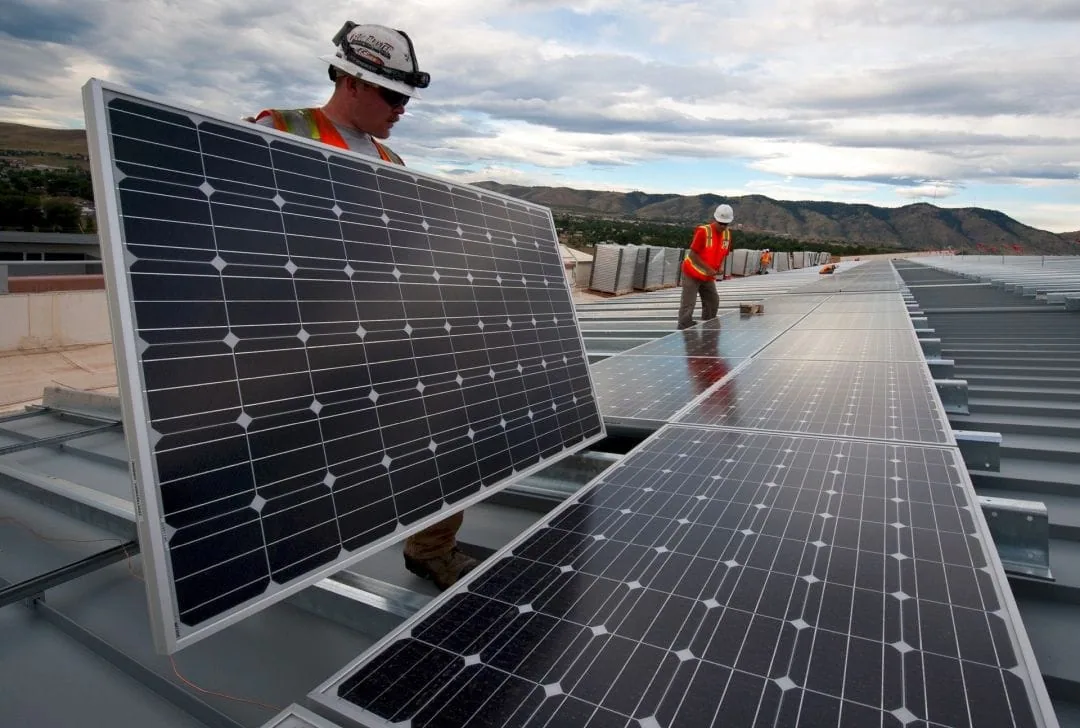
Solar equipment should not be installed before the roof can support the project schedule. In Anchorage, AK, recurring snow and thaw conditions make drainage, access, and roof-life planning part of solar readiness. We inspect the existing assembly, map penetrations and service paths, and coordinate attachment details with the solar designer. Structural capacity and electrical design remain with the qualified professionals responsible for those systems.
Commercial buildings in Midtown, the C Street Industrial Corridor, and Airport Heights have varied operating needs. We review the actual roof plan and equipment proposal instead of assuming a building’s solar potential from its location. A roof inspection can establish whether repair or replacement should come before array installation.
Related Pages
Will the roof stay serviceable under an array?
The roof should have a clear condition record before equipment is added. We inspect membrane seams, flashings, insulation, drains, edges, and prior repairs, then identify any area that needs testing. If moisture is present or the assembly is nearing a major repair, installing an array first can make later roof work harder and more expensive to coordinate. The owner can compare roofing work now with the cost and schedule of disconnecting or lifting equipment later.
Anchorage climate normals include snowfall and snow depth. That history makes the roof’s winter maintenance and drainage routes important to the layout. Panels, ballast, supports, and walk paths must not block drains or hide details that still need inspection. The facility team’s snow-management plan should be considered alongside the array design so future roof access remains possible.
A condition report can map the roof zones and document repairs, test results, and any remaining concerns. If the owner expects a long solar service life, a capital plan can compare replacement timing with the array project and other building work.
Where can solar supports attach?
Attachment methods depend on the roof system, deck, structural design, and solar equipment. A roof contractor identifies the membrane and detail conditions; the engineer or solar designer determines the load path and support layout. We coordinate locations for penetrations, flashed bases, clamps, or other approved attachments so they do not conflict with seams, drains, expansion joints, or service clearances.
Every roof penetration needs a compatible flashing and secure tie-in. If an attachment passes through the membrane, we coordinate the opening, base, and flashing with the solar installer. If a non-penetrating system is proposed, the roof must still be checked for ballast and wind-design loads by the responsible professional. We do not assume the roof can carry added weight based on appearance or building size.
Near Midtown, rooftops may have equipment and access paths that need to remain available. The plan should show clear routes to HVAC units, roof hatches, drains, and other service points. A curb and support review can coordinate existing rooftop equipment with proposed array locations.
How should snow and water move?
Solar panels can create shaded and exposed zones that change how snow clears from a roof. The project team should consider snow shedding, access, edge conditions, and the path to each drain. We inspect whether the array layout blocks a drain bowl, scupper, overflow, or service route. Roof maintenance staff need a safe way to check those areas after snow has accumulated or begun to melt.
We map the existing water route before the array is designed and compare it with the proposed support locations. A panel row should not direct runoff into a vulnerable curb or hide a low area. If the roof needs tapered insulation or drain work, those changes are easier to coordinate before the solar equipment is installed. Our drainage assessment can identify outlet and flashing work that belongs in the roofing scope.
Anchorage climate measures support planning for seasonal snow, not a prediction of what any particular array will experience. The owner should keep the building’s snow and roof-access rules with the solar operation plan. We document any areas that become difficult to inspect once the array is in place and discuss how maintenance can reach them.
Which trades should set the sequence?
Solar-ready roofing involves a roofer, solar installer, electrical contractor, and often a structural engineer. The project schedule should establish who lays out attachment locations, who opens or flashes the roof, who tests the electrical system, and who restores disturbed roofing after future maintenance. One coordinated drawing helps prevent a support from landing on a seam or a service path from crossing a drain.
Anchorage is a state distribution center, supported by the Port of Alaska, airport, railroad, and highway connections. That context can make delivery windows relevant, but each property sets its own receiving and lift access. The facility contact should identify staging locations and operating hours before panels or roofing materials arrive.
For properties in the C Street Industrial Corridor, the surrounding land-use framework includes industrial employment uses. That does not establish the function or roof design of a particular building. We confirm the owner’s operating needs and access conditions directly, then align the roofing sequence with the project’s trade schedule.
How will the roof be maintained later?
The final roof record should include array layout, attachment locations, roof zones, product details, flashing photographs, clear service paths, and any area that cannot be reached without moving equipment. Those records help future crews distinguish roofing components from solar hardware. The owner should know who is responsible for removing and reinstalling panels if a major roof repair becomes necessary.
After installation, a maintenance visit can check visible seams, drains, flashed supports, and accessible areas around the array. If a leak occurs, the report should show which roof details can be inspected without disrupting electrical equipment. The solar service contractor may need to coordinate shutdown or access before roof repair begins.
Share the proposed array layout, roof plan, structural review, current roof records, equipment paths, snow-management procedure, and project schedule. We will inspect the assembly, identify roofing work that should happen first, and coordinate penetrations and flashing with the solar team. That gives the owner a roof record suited to both the membrane and the planned equipment.
Commercial Roofing Questions
Should a roof replacement happen before the solar array is designed?
The roof condition and remaining service life should be reviewed before the array is placed. If the membrane or insulation needs major work, coordinating it first can avoid moving solar equipment later. We inspect the assembly and document repairs or testing needed before the owner makes that decision.
Can solar panels be attached without penetrating the roof?
Some systems use non-penetrating supports, while others require mechanical attachments. The designer and structural professional select the approach for the building. We inspect the roofing system and coordinate attachment or flashing details to preserve the membrane and drainage.
Who confirms the roof’s capacity for a proposed array?
A qualified structural professional evaluates the load path and capacity. We provide roofing information about the deck, assembly, seams, and proposed penetration locations. The solar designer and engineer use those inputs to complete the support design.
How should snow removal work around panels?
The facility’s snow-management plan should account for panel layout, roof access, drainage, and safe work zones. We identify roof details and outlets that need to remain reachable. Snow loading and removal decisions require the building’s qualified procedures, not assumptions from the roofing inspection.
What should the roofing closeout include?
Keep a marked array plan, attachment and flashing locations, roof-zone photos, product details, drain access paths, and any restrictions on future repairs. The record should identify which trade handles panel removal and electrical isolation if roof work is needed later.
Review the roof before adding equipment
Send the array layout, roof plan, structural review, equipment schedule, and snow-management rules. We will inspect the roof and coordinate the repair, attachment, drainage, and access details with the project team.
Request a roof assessment or call 555-555-5555.