Storm Damage Roof Repair in Anchorage, AK
Overview
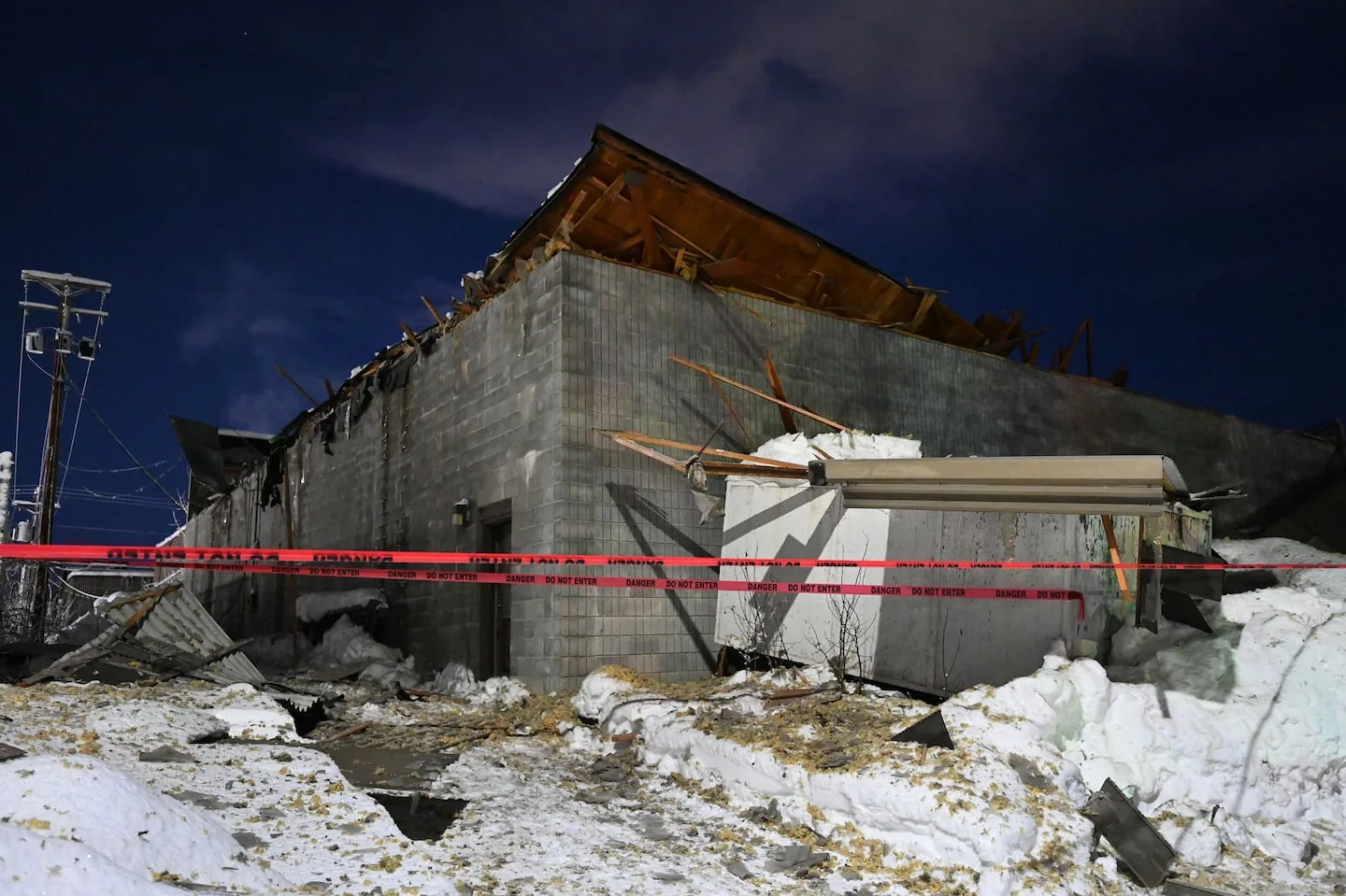
After severe weather, the roof record should show what changed and where. In Anchorage, AK, snow accumulation and thaw periods can expose damage at drains, seams, edges, and rooftop transitions. We inspect the reported area, compare it with prior photos or maintenance notes, and mark visible conditions before repairs begin. If water is entering, temporary protection can reduce exposure while the full assembly is assessed.
Downtown, Midtown, and the Ship Creek industrial district have different building access and operating contexts. A storm report starts with the property’s own roof plan, event timing, interior impact, and access rules. We separate newly observed conditions from older repair history, then prepare a repair scope that identifies the affected material and work boundary.
Related Pages
What changed after the weather event?
We compare the reported date with the roof’s known condition and look for displaced metal, open seams, punctures, damaged flashing, blocked outlets, and new water entry. Photos taken before and after the event can help show a change, but the roof must still be inspected. A previous repair near the affected area is documented so it is not mistaken for storm damage or overlooked as a possible leak path.
Anchorage’s NWS climate record tracks snowfall and snow depth across its normal period. For a storm-related visit, those measures make accumulation part of the inspection context, while the building’s own snow-management plan governs access and load decisions. Snow cover may hide the detail that failed. We record which roof zones were visible and identify any safe-access follow-up needed after conditions change.
If the event involved wind or moving debris, we inspect the roof edge, coping, seams, metal panels, and rooftop equipment attachments. A lifted edge can signal a fastening or transition concern that extends beyond the visible piece. We examine adjacent details and note whether the membrane remains attached. A wind-damage assessment can focus on that pattern when wind-related movement is the reported concern.
How should active water be controlled?
When water is entering, we protect the interior and roof opening while preserving a safe path to permanent work. The facility contact identifies sensitive equipment, occupied rooms, and areas that must remain open. On the roof, we locate the active area, choose temporary protection suited to the surface, and document the boundary. The first response can limit exposure, but permanent repair still depends on what the assembly shows.
At a roof near Downtown Anchorage, interior access or secure entry may shape the response sequence. A property close to the Ship Creek industrial district may have loading and yard requirements to confirm. We coordinate with each facility contact instead of assuming a shared operating schedule from the district name.
Temporary covers must be secured, direct runoff away from the opening, and remain safe for the expected conditions. If snow or ice prevents roof access, we explain what can be protected from inside and what inspection remains. We keep the temporary measure separate from the permanent scope and record when the next roof review is needed.
What evidence belongs in a storm report?
A useful report identifies the event date supplied by the owner, roof zones inspected, photographs, observed damage, and any conditions that predate the event. We mark the exact detail or area on the roof plan and describe whether the damage is visible, concealed, or still uncertain. If a test cut confirms wet insulation, the report records that location and the condition of the sample rather than extending the finding across the roof.
For membrane damage, we note system type, seam condition, puncture size, nearby patches, and substrate response. For metal, the record should identify panel movement, fastener or clip condition, edge transitions, and any opening in the water-shedding plane. If gutters or drains are involved, we separate the obstruction from damage to the membrane or flashing. A drainage review can define related work where runoff is not reaching an outlet.
Anchorage’s Port and railroad links support freight movement across the region. A repair may need material or lift coordination, but the actual delivery plan depends on the property. We identify that timing separately from the roof condition so the owner can see which delays come from access, weather, or material sequencing.
How does documentation support the owner?
Event documentation can help a facility director organize repair history and communicate the observed condition to an insurer. We provide dated photographs, marked locations, inspection notes, test results, and a repair proposal. We do not decide coverage. The policy, carrier review, and claim process remain separate from the contractor’s report of roof conditions.
A claim documentation review can assemble the roof observations and identify where additional information may be needed. We distinguish direct damage from maintenance items and pre-existing defects where the inspection supports that distinction. If hidden conditions require testing, we state what the sample confirms and what remains outside the tested area.
Clear documentation also helps after the claim is closed. The building team can keep the storm-related repair, temporary protection, and future maintenance on one roof map. A condition report can compare event findings with other roof zones and help determine whether the damage is isolated or part of a broader assembly issue.
What sets the permanent repair?
The permanent scope depends on the damaged material and the condition around it. A compatible patch may correct a localized membrane opening. Loose edge metal may need fastening and transition work. Wet insulation may need removal to a dry boundary before the membrane is restored. We state the removal limit, material, tie-in, and any test result that changes the scope.
Winter weather can limit the installation window. Anchorage’s subfreezing winter normals and recurring snowfall make safe access and material requirements especially important to planning. We schedule work when the selected repair can be prepared and secured as intended. If conditions prevent a permanent repair, we maintain temporary protection and explain the next safe work window.
When damage extends across multiple areas or repeats around prior repairs, the owner may need a wider inspection before deciding between repair, restoration, or replacement. We compare the affected zones with the existing roof condition rather than treat one event as proof that all roofing needs replacement. A full roof inspection can establish that broader baseline.
Commercial Roofing Questions
What should I do after a roof is damaged by a storm?
Protect people and contents from active water, report the affected area to the facility contact, and preserve safe photos or dates. Do not send staff onto a roof outside the site’s access procedure. We can inspect the reported zone, provide temporary protection when appropriate, and document the permanent repair needs.
Can you tell which damage came from the event?
We compare the reported event timing with prior roof records, photographs, visible conditions, and test results. The inspection identifies what the evidence supports and which conditions appear older or remain uncertain. Coverage decisions belong to the insurer, not the contractor’s roof report.
Will a temporary cover be enough?
A dry-in can reduce active water entry while permanent work is planned, but it is not a substitute for inspecting the assembly. We document its location and limits, then return to check the underlying detail when safe access and installation conditions allow.
Does snow cover affect a damage inspection?
Snow can hide seams, drains, and edges, and site rules may restrict access. We document visible areas and explain what needs a follow-up visit after safe access becomes available. The building’s snow-management plan controls snow removal and load decisions.
What records should I keep for a roof claim?
Keep the event date, interior photos, roof plan, inspection report, test results, repair proposal, invoices, and photographs before and after work. A marked roof-zone map helps connect the damage, temporary protection, and completed repair without confusing older maintenance with new conditions.
Document the affected roof zone
Provide the event date, roof plan, leak timeline, prior repair history, site contact, and access limits. We will inspect the reported area, protect active entry if needed, and prepare a repair scope with the observed evidence.
Request a roof assessment or call 555-555-5555.