Commercial Roofing in Old Seward Highway Corridor, Anchorage, AK
Overview
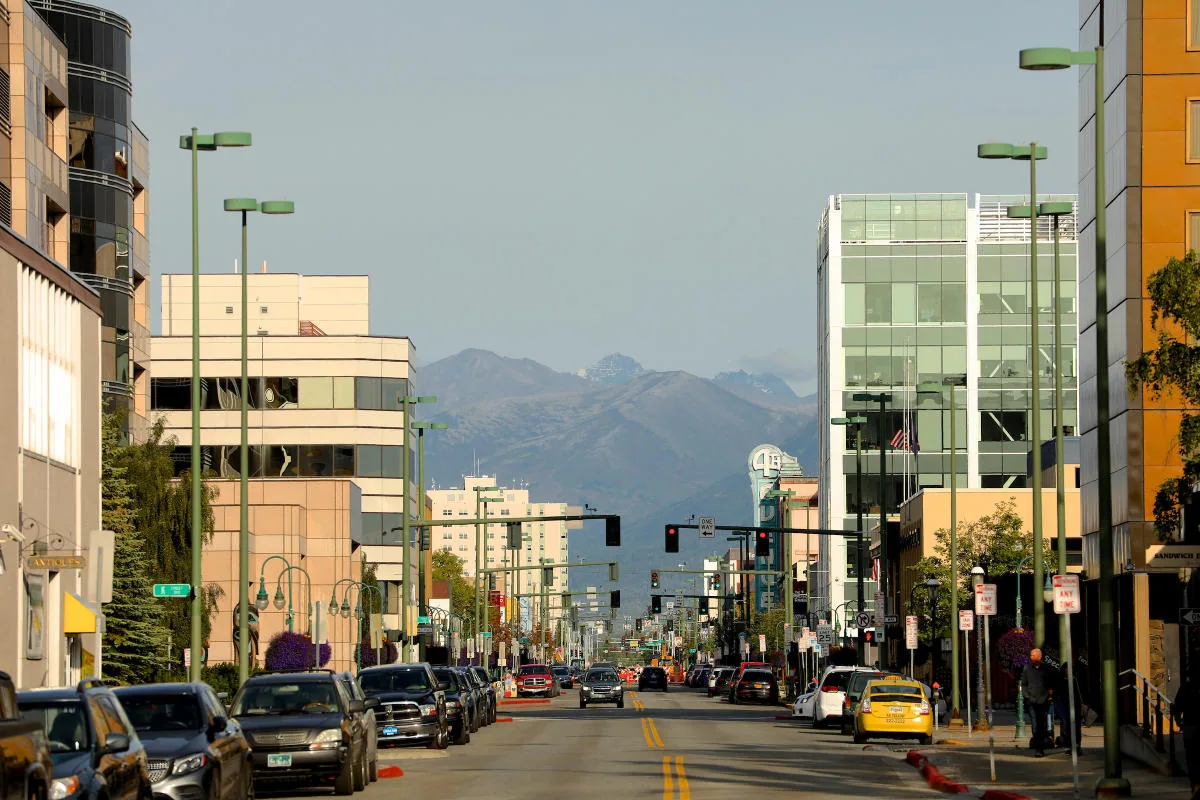
A roof beside an active commercial route needs a work plan that protects the building and keeps access predictable. The West Anchorage District Plan analyzes major highway and commercial corridors, while Anchorage’s comprehensive plan directs growth to designated centers rather than unlimited arterial expansion. The Old Seward Highway Corridor is also part of the municipal network connecting south and west Anchorage employment and service areas. Those facts provide planning context, not a list of roof types or specific businesses. We inspect the property itself, trace the reported water path, and confirm the route for safe roof access. Anchorage’s snow and freeze-thaw cycles make drainage notes especially useful before winter access narrows.
Related Pages
How should traffic and roof access be coordinated?
Before the roof walk, we confirm where the crew can enter, where materials may be staged, and which areas below must stay clear. A corridor property may have customer access, deliveries, or shared parking, but the planning documents do not establish any particular site layout. We ask the property contact about active hours and restrictions, then plan a route that avoids unnecessary movement through work areas.
The roof itself has its own access needs. We identify the hatch or ladder, check that the route is safe, and determine whether interior rooms require a separate visit. If the work involves a small opening, temporary protection and close-up timing go in the scope. A larger project needs a sequence for removal and daily tie-offs. Our occupied-building roof planning can coordinate work around those conditions. If access is limited by weather or building rules, we mark the zone that could not be checked and arrange the next useful step instead of assuming it is sound.
What does a corridor roof inspection cover?
We identify the roof system before choosing repair materials. On membrane roofs, we inspect seams, patches, penetrations, drains, and flashing. On metal, we check fasteners, panel joints, transitions, and perimeter edges. We compare the roof observations with the leak dates and interior location, then photograph each relevant zone. A stain may be far from its entry point, so the report distinguishes what we saw from what remains a possible route.
The Old Seward planning context focuses on transportation and land use in a broader district. It does not say whether a particular roof is membrane, metal, or another assembly. Our inspection visit confirms that and records any prior patch or wet insulation. If the roof is partly concealed by snow, we note the limits and return when the detail can be examined safely. A written finding should name the repair boundary and the next step, whether that is a localized patch, moisture mapping, or a wider opening to verify the deck.
What should the owner watch during thaw?
Anchorage’s climate normals include snowfall and snow-depth observations. They describe the market city, not the condition of an Old Seward roof on inspection day. We use that seasonal context to ask whether a leak appeared during accumulation, on thaw, or after the roof surface cleared. Then we check drains, scuppers, roof edges, and transitions for a path that can hold water or admit it into the assembly.
A clear outlet does not prove the surrounding flashing is intact. We inspect the bowl, connection, nearby seams, and slope feeding the drain. At a perimeter edge, we look for loose metal or an open lap that could let runoff travel behind the roof surface. Snow cover can hide a detail, so the report lists it as unverified. Do not send staff onto an uncertain roof to clear a route. The drainage repair scope follows a confirmed obstruction or defect. A seasonal maintenance visit can check the same points before the next winter period, with photos attached to the property’s roof record.
Which repair option fits the findings?
A small opening in a sound assembly may be repaired without disturbing a larger area. Repeated leaks or wet insulation in separate roof zones can call for moisture verification and a wider scope. We inspect the material around the defect and define what needs to be removed, repaired, or tested. That boundary matters when a corridor building needs work done without blocking entrances or placing stored items at risk.
Recovery is an option only if the old roof is dry enough, attached, and able to support the new assembly. Replacement can expose hidden conditions and rebuild drains, edges, or curbs, but it changes the schedule and access needs. Coating is not a fix for wet insulation or loose flashing. We compare these approaches with the owner using the inspection evidence and qualitative cost drivers: removal, insulation, material, edge work, staging, and time. A standing-seam metal system requires different movement and fastening checks than a membrane. Our replacement scope names the work zones and safe close-up points so the owner can assess operational impact.
How does the district plan help roof planning?
The West Anchorage District Plan and citywide land-use framework explain where transportation and commercial growth are organized. They are useful context for owners coordinating properties across the Old Seward corridor and the broader south and west Anchorage service network. They do not establish the roof condition at an address. Each property file needs its own plan, leak dates, access notes, prior work, and inspection photos.
We organize findings by roof zone and separate the repair recommendation from any area that remained hidden or inaccessible. The owner can then compare the current scope with past patches and decide whether to schedule repair or prepare a capital project. After work, keep the material and location in the service record and set a return check for the repaired detail. The same reporting structure can support a review of International Airport Road Corridor and C Street Industrial Corridor properties while preserving the separate observations each roof requires. Our photo-backed condition report provides a useful handoff for the next facility review.
Commercial Roofing Questions
Can you schedule roof work without blocking a commercial entrance?
The property contact identifies areas that must stay open, then we map a roof work zone around those limits. A repair may be set away from doors; replacement can proceed by roof section. Any temporary closure gets a time and location in the scope before scheduling.
What does the West Anchorage plan tell you about my roof?
It provides transportation and land-use context for the district, not information about an individual roof. We verify the assembly, drainage, and condition on site. The inspection report connects those observations with the leak history and names what should be repaired or checked next.
How can water enter near the road-facing edge?
We inspect perimeter metal, seams, wall transitions, and outlets that could carry water behind the visible roof surface. A loose termination or failed lap may be involved, but the roof walk determines what is confirmed. Photos show the detail and the repair boundary so the owner can review the scope.
Does a snowy roof need an immediate repair?
Urgency depends on the observed leak, safe access, and risk below the affected zone. We document what can be seen and whether snow hides the needed detail. If structural distress is suspected, restrict access and obtain qualified engineering review before roofing work. The remaining roof zones can be inspected when safe.
How do I compare a repair estimate with a replacement plan?
Compare the areas addressed, material removal, insulation work, drains, edges, access, and temporary protection. We identify which findings each scope resolves and what it leaves in place. If wet material or repeated failures are present, the report explains why a broader project may be more practical than another patch.
Plan an Old Seward corridor roof visit
Share the leak timeline, roof plan, property access rules, delivery hours, and earlier repair information. We will inspect the relevant roof zones and show how the evidence supports each work option.
Request a roof assessment or call 555-555-5555.