
GAF Commercial Roofing Systems in Anchorage, AK
Overview
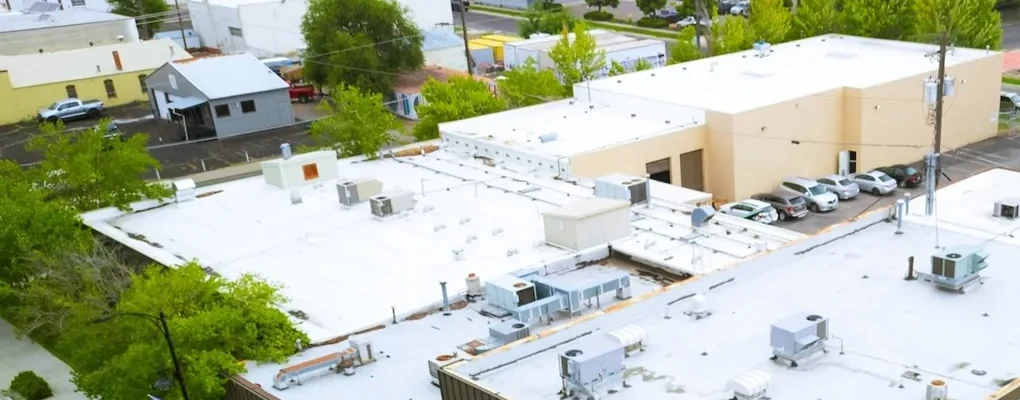
A membrane label does not tell a facility director whether the roof can carry another layer, where a seam has opened, or why water is crossing the insulation. GAF lists commercial systems in TPO, PVC, asphaltic roofing, and coatings, including EverGuard TPO and PVC choices. In Anchorage, AK, winter snow and meltwater put extra attention on drains, perimeter details, and safe access. We start with the roof plan and visible assembly, then connect the product decision to the building’s actual condition.
That matters around the Port of Alaska and in Midtown, where commercial and industrial work can put different demands on roof access and scheduling. The port district and Midtown have different operating patterns, so we confirm the owner’s access window and staging rules at the actual building instead of assuming that neighboring properties share them. We inspect the owner’s building, document its roof zones, and separate an isolated repair from a replacement question. A commercial roof inspection can establish that starting record.
Related Pages
What does EverGuard cover?
EverGuard is GAF’s name for its commercial TPO and PVC membrane families. Those thermoplastic sheets use heat-welded seams, while the full roof assembly also depends on insulation, cover board, attachment, perimeter metal, and compatible flashing details. TPO and PVC are not interchangeable labels. The owner should identify the existing membrane and the condition of its seams before choosing a patch, recover, or full replacement.
GAF’s published system choices include adhered, mechanically attached, and induction-welded assemblies. An adhered sheet bonds to a prepared substrate; a mechanically attached design transfers loads through fasteners and plates; induction welding secures the membrane above specially coated plates. Each changes how the field, perimeter, and penetrations are assembled. We can compare the documented GAF option with a Carlisle commercial membrane system or a Johns Manville roof assembly when the owner needs a clear, like-for-like scope.
Where should the assembly be checked first?
A seam that looks closed from a ladder may still have a weak weld at a corner, patch, or change in sheet direction. We examine the lap, field membrane, drain bowls, curb flashings, edge terminations, and any prior repair. If the existing product is uncertain, a marked plan and close-up material review help avoid specifying the wrong welding or flashing method. A TPO system inspection can distinguish thermoplastic seam work from the adhesive or tape details used by another membrane type.
Below the sheet, moisture and deck movement can change the repair boundary. A soft area, visible insulation edge, or recurring interior stain deserves a mapped check, not a surface patch that hides the question. Where a test cut is needed, we agree on the location and owner approval before opening the assembly. The report records what was seen, what remained concealed, and how the finding affects the proposed work. If water is already entering, commercial roof repair can address the confirmed condition while the larger system decision stays separate.
How do attachment choices affect the roof?
Attachment is part of the wind-load design, not a preference chosen after the membrane arrives. Deck type, building height, perimeter geometry, insulation layout, and the project’s specified wind criteria all shape the fastening schedule. For an adhered option, substrate condition and adhesive application matter. For a mechanically attached layout, rows and plates need to match the design. The chosen assembly should be checked against current manufacturer details and the actual roof plan before work begins.
Anchorage 2040 directs activity toward mapped centers and corridors, with commercial and industrial areas connected through that broader framework. A roof project near Downtown’s mixed-use core or the industrial setting around Ship Creek still needs a building-specific access and staging plan. We note where the crew can load materials, protect equipment, and keep drainage paths open. If the existing roof remains suitable for a new layer, a roof recover assessment can compare that option with tear-off and replacement without assuming either one fits.
Which repairs keep the scope controlled?
A localized opening at a weld, curb, or drain can be repaired when the surrounding membrane and substrate support a durable tie-in. The repair starts with cleaning and preparation, then uses material and welding technique compatible with the existing system. We probe the finished seam, photograph the detail, and identify the limits of the work. If wet insulation extends beyond that boundary or the same detail keeps failing, the owner may need further testing or a broader replacement plan instead.
Snow can cover the evidence that would help separate a drain issue from a membrane failure. Anchorage’s official 1991 to 2020 normals track snow depth as well as snowfall. On a winter visit, we mark obscured seams and drains on the roof plan, then return when safe access exposes the details. That does not establish damage on a particular building. We check safe access and record the snowmelt path once the relevant roof area can be reached. For frozen or wind-exposed conditions, a snow and ice damage review can document the affected roof zone before permanent repairs are defined.
What should the Anchorage schedule account for?
Cold weather, snow cover, and a short access window can affect when a membrane detail can be inspected or repaired. The owner’s roof plan should show drains, equipment, and roof edges, while the work schedule should account for tenant activity and material handling. Midtown’s planning area includes a commercial core and adjoining neighborhoods, so a property there may have different delivery and access limits from a warehouse near Ship Creek. We confirm those operating conditions with the facility contact rather than inferring them from a district name.
Before setting a project date, we review the roof area, staging location, weather exposure, temporary protection, and any mechanical shutdown the scope requires. The decision record should say whether the work is a repair, recover, or replacement and which GAF assembly was evaluated. Our Downtown Anchorage service area is a broad geographic reference, not a claim about a specific property. A dated condition report gives the facility team a useful basis for the next approval.
Commercial Roofing Questions
Can a GAF TPO roof be repaired without replacing the full membrane?
A local repair is reasonable when the surrounding sheet, insulation, and deck provide a sound tie-in area. We trace the seam or puncture, check nearby moisture, and photograph the boundary. If the same detail has separated in several zones, the owner should compare repair history with a broader assembly review before approving another patch.
What does an induction-welded GAF assembly change?
It changes how the membrane is secured above the deck. The plates and fastening pattern still need to match the approved assembly and roof geometry, while the membrane weld has to be checked at each plate. We identify the existing attachment before pricing a replacement so the proposal does not mix incompatible details.
How should snow cover affect a GAF roof inspection?
Snow can hide a lap, drain, or repair edge, so we record those areas as inaccessible rather than treating them as clear. Once safe access and visibility return, the crew can revisit the same mapped zones and photograph the details. A winter observation should describe conditions, not guess at what lies below the snow.
Does a GAF product name confirm the roof’s full assembly?
No. The membrane name is one part of the record. Insulation, cover board, vapor control, deck, fasteners, edge details, and past repairs also matter. We compare the visible layers with closeout documents or owner records before recommending a new sheet over the existing roof.
What should a facility director send before requesting a GAF repair?
Send the roof plan, a photo of the reported area, interior leak dates, previous repair notes, and the building’s access rules. If snow is present, include the roof-access procedure and any known drain or meltwater concern. That gives us enough context to inspect safely and define a repair boundary.
Put the assembly on the record
Share the roof plan, known GAF membrane or system details, repair history, reported leak locations, and access requirements. We will inspect the roof, document what the assembly shows, and prepare a repair or replacement scope tied to the evidence.
Request a roof assessment or call 555-555-5555.